



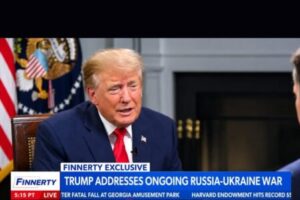
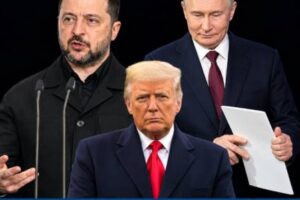



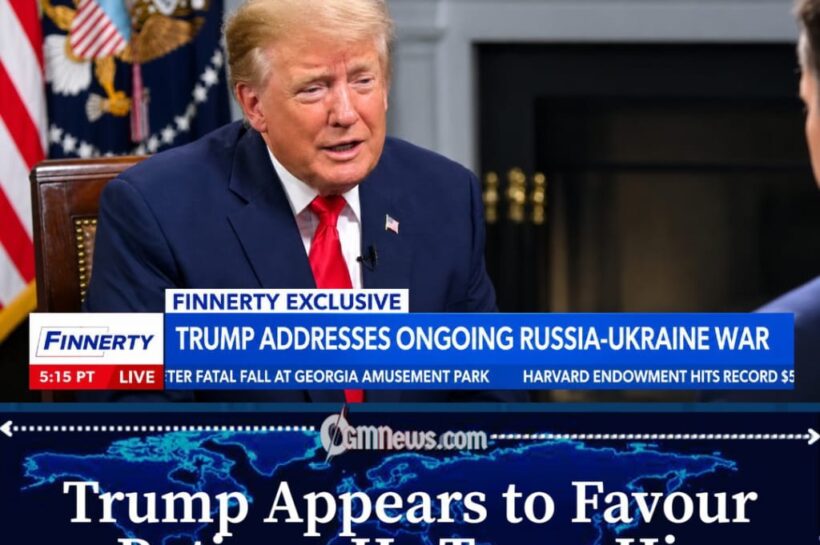







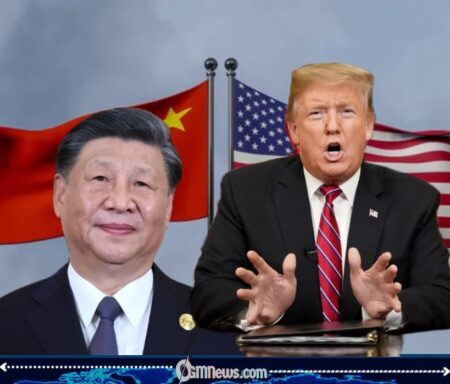
China has rejected fresh accusations by current U.S. President Donald J. Trump that Beijing interfered in the 2020 U.S. presidential election, insisting it has never meddled in American elections and has no intention of doing so. In a firm response, Chinese officials urged Washington to stop making what they described as “groundless accusations,” turning an already tense exchange into yet another episode of high-stakes diplomatic theatre. If international politics were a tennis match, the ball is now traveling so fast that even the scoreboard looks confused.
Recent developments show that tensions between Washington and Beijing remain high over trade, technology, security, and geopolitical influence. Election-related allegations have repeatedly surfaced in U.S. political debates over the years, while China has consistently denied involvement, maintaining that it follows a policy of non-interference in other nations’ domestic affairs.
Diplomatic Microphones Turn Into Megaphones
The latest exchange highlights how political rhetoric often travels faster than verified evidence. President Trump renewed claims that China attempted to influence the 2020 election, prompting Beijing to issue an immediate rebuttal. Chinese officials insisted that they neither interfere in American elections nor have any interest in determining who occupies the White House.
In the satirical spirit, observers joked that if accusations generated electricity, the world’s energy crisis would already be solved. Every statement appears to trigger another statement, every denial inspires another allegation, and diplomats continue polishing carefully chosen words while the global audience refreshes news feeds like fans waiting for the next season of a political drama.
The Bigger Contest Beyond Elections
Beyond the election dispute lies a broader strategic rivalry between the world’s two largest economies. Trade disputes, technology restrictions, military competition in the Indo-Pacific, and disagreements over Taiwan have kept relations under pressure. Analysts note that election-related exchanges often become part of a much wider diplomatic contest rather than isolated incidents.
Meanwhile, ordinary citizens watching from around the world may simply wonder whether global leaders could occasionally schedule fewer verbal boxing matches and more practical problem-solving sessions. Satirically speaking, the only thing campaigning harder than politicians may be the headlines themselves, each trying to win votes from readers before breakfast.
While China firmly denies interfering in U.S. elections and President Donald J. Trump continues to raise concerns about Beijing’s role, the debate remains another chapter in the broader U.S.-China rivalry. As officials on both sides exchange statements, the story is likely to evolve with new diplomatic reactions and political developments. OGM News will continue monitoring the situation and provide updates as more verified information becomes available.
mjpKyJqtopJmUkjsHEeNp