





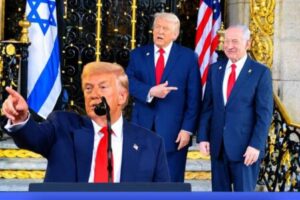

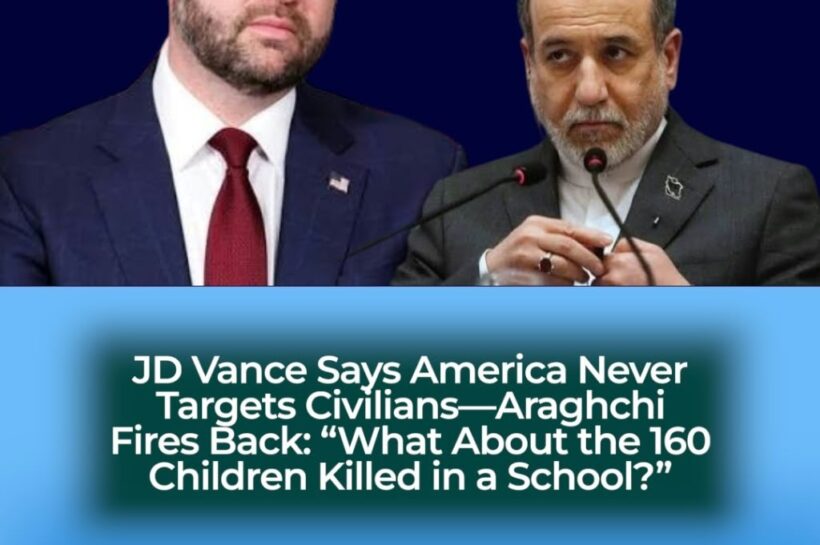




President Donald J. Trump has offered a familiar defence of his administration’s war with Iran, declaring, “We didn’t start the war with Iran. Iran started the war with us.” The statement has reignited questions about who bears responsibility for a conflict in which both sides have exchanged accusations, military attacks and threats of further escalation. In the strange theatre of international politics, the country launching an attack can insist it is responding to a threat, while the country under attack can point to the bombs as evidence that it has a different story to tell.
THE WAR OF WORDS: WHO REALLY STARTED IT?
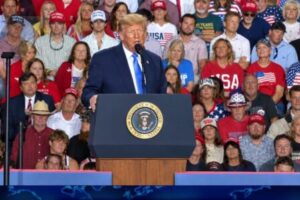
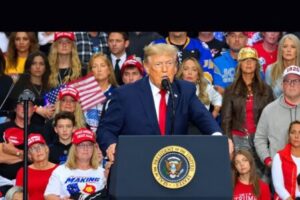
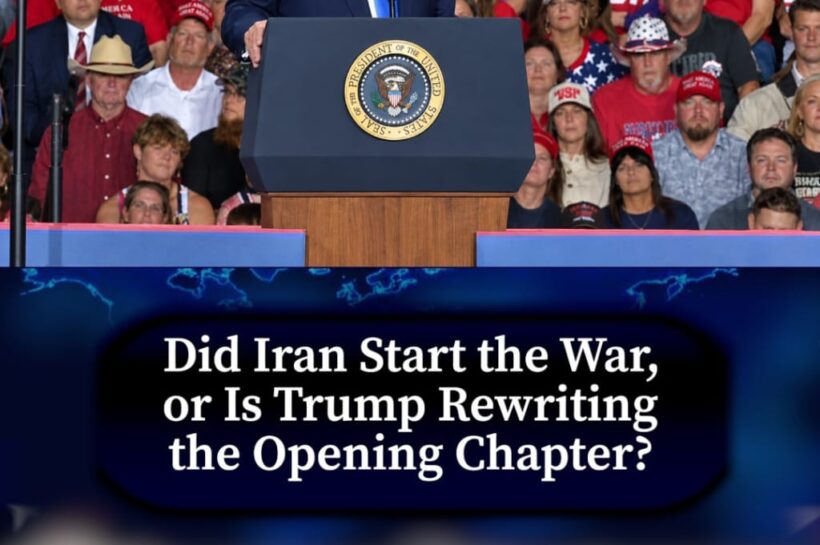
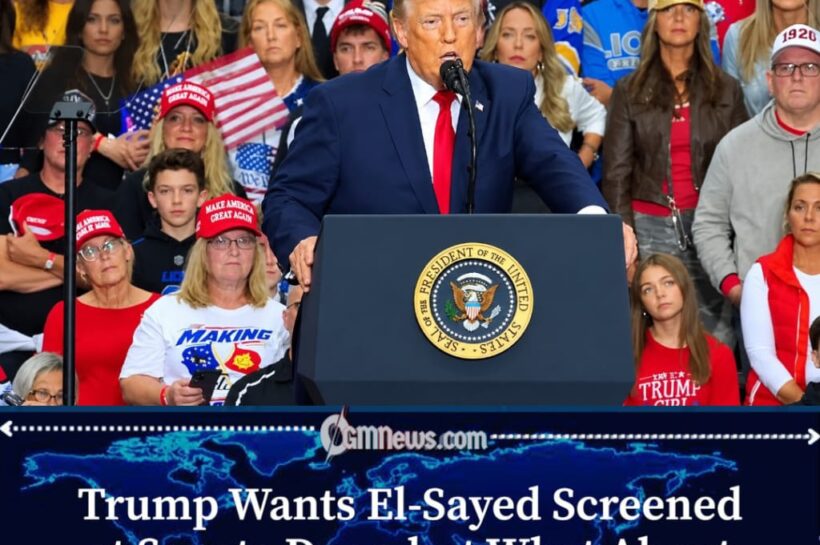
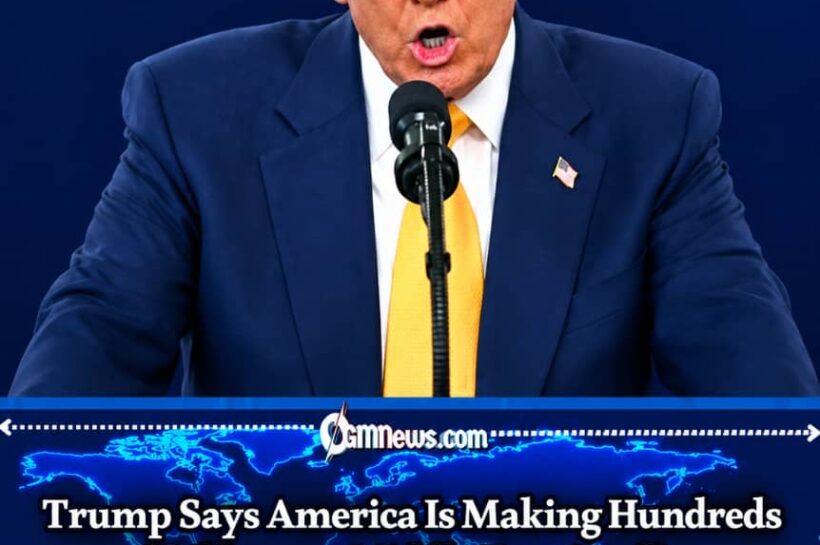
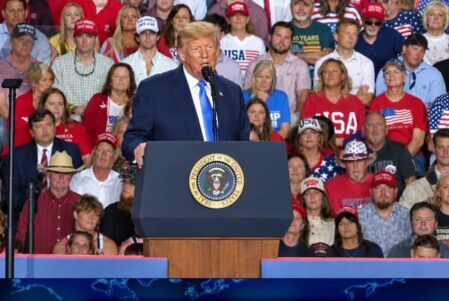
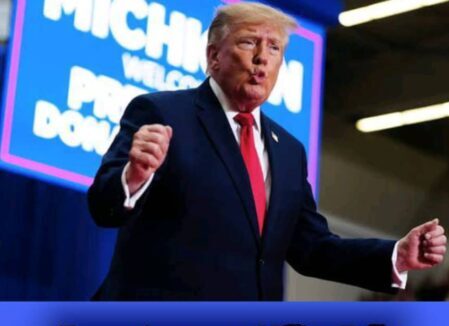
Trump made the remarks while defending the American military campaign against Iran at a rally in Mississippi on October 26, 2026. He argued that Iran’s missile development and nuclear ambitions posed a serious threat to American cities, insisting that military action was necessary. The president also criticised an earlier ceasefire, describing it as a waste of time. His position is clear: Washington is presenting its military campaign as a necessary response to a danger it says cannot be ignored.
However, the documented timeline provides an important complication. The United States and Israel launched major strikes against Iran on February 28, 2026, triggering a wider regional conflict. Iran subsequently retaliated with attacks against Israel and targets across the region. The sequence does not, by itself, settle every question about the longer history of hostility between the two countries, but it does raise a straightforward question: when leaders say they did not start a war, are they referring to the history of the dispute or the first attacks in the current conflict? Apparently, even war now comes with competing versions of the opening chapter.
BLAME, BOMBS AND THE POLITICS OF JUSTIFICATION
The argument is more than a contest over words. It concerns the justification for military force, the risks faced by civilians and the political consequences of a conflict that has disrupted energy markets and threatened regional stability. Trump has repeatedly argued that Iran must not acquire nuclear weapons and that its missile capabilities pose a danger. Critics, meanwhile, have questioned the administration’s justifications for the attacks and raised concerns about presidential war powers, the evidence for an imminent threat and the costs of prolonged military action.
In satirical terms, the blame game is becoming its own military operation, complete with competing briefings and carefully selected memories. Every side wants to occupy the moral high ground, even when the ground below is shaking from explosions. If international politics had a customer-service desk, the first question might be, “Who started this?” The second would probably be, “Who is going to pay for it?” Unfortunately, ordinary people facing rising energy costs, insecurity and the possibility of further attacks cannot settle their problems simply by choosing which leader tells the most convincing story.
The conflict has also demonstrated how quickly a regional confrontation can affect people far beyond the battlefield. Tensions around the Strait of Hormuz, a crucial route for global energy shipments, have raised concerns about oil prices and maritime security. Meanwhile, renewed military threats have kept the possibility of further escalation alive. Whatever the competing explanations offered by Washington and Tehran, the consequences extend well beyond their political arguments.
President Trump’s declaration that Iran started the war has once again placed responsibility for the conflict at the centre of the debate. While his administration argues that military action is necessary to counter Iranian threats, the February 28 attacks by the United States and Israel remain a crucial part of the documented timeline. The central question is not merely who can tell the most persuasive story, but whether the conflict can end before more lives, livelihoods and regional stability are lost. Stay with OGM News for further updates as the war of words continues alongside the war itself.
If you are mad at me, just curse me out