









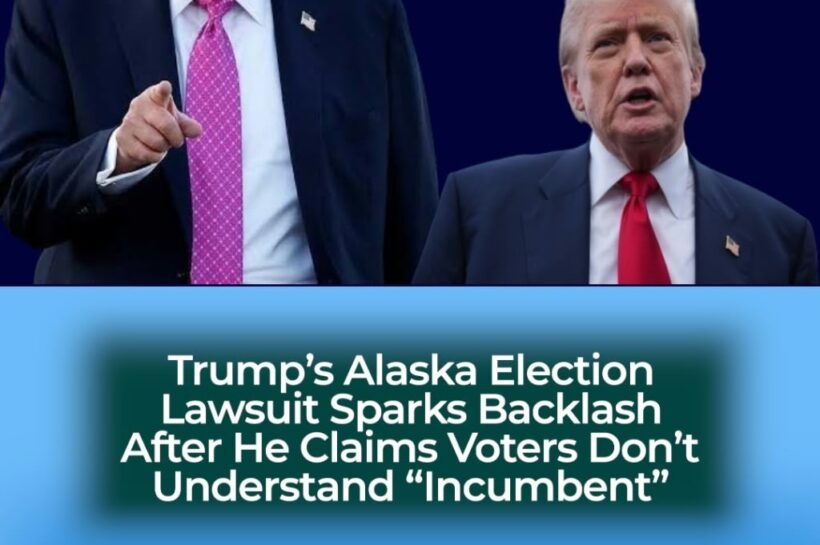



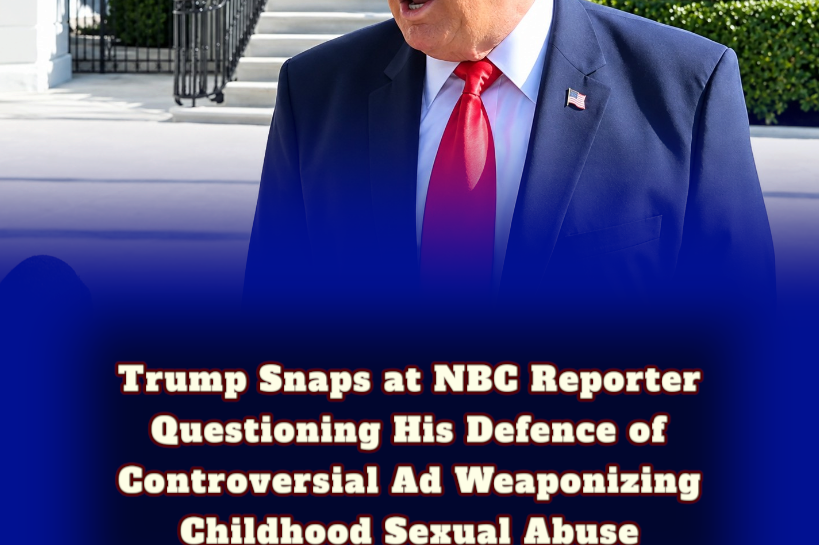




President Donald J. Trump has sparked fresh controversy after suggesting that many voters do not understand the word “incumbent,” while defending a legal challenge targeting Alaska’s upcoming Senate election. The dispute centres on Republican Senator Dan Sullivan, Democratic challenger Mary Peltola and another candidate named Daniel J. Sullivan. The Trump administration’s Justice Department has sued to prevent Alaska from certifying the election results under certain circumstances if the incumbent loses, arguing that confusion between the two candidates could affect the outcome. In a political contest where every vote could matter, Trump appears concerned that a vocabulary lesson might be as important as a campaign speech.
Trump’s “Incumbent” Remark Turns an Election Dispute Into a Political Talking Point
Trump’s complaint is straightforward: voters should be able to distinguish the sitting senator from another candidate with a similar name. On the ballot, Senator Dan S. Sullivan is identified as a registered Republican and incumbent, while Daniel J. Sullivan Jr. appears without a party affiliation. Trump has argued that the ballot should identify the senator more clearly, suggesting that many voters may not understand the word “incumbent.” Apparently, a familiar election term has become an unexpected star of the campaign season, competing for attention with candidates, policies and the usual political promises.
The controversy, however, goes well beyond a dictionary definition. The Justice Department filed its lawsuit after Alaska’s courts allowed the second Sullivan to remain on the ballot. The federal government argues that certification should be delayed if the incumbent loses and there is reason to believe confusion over the candidates’ names affected the result. Critics see a troubling possibility: that a legal challenge could cast doubt on an election before voters have even finished making their choice. In a democracy, the ballot is supposed to record the people’s decision, not become a political escape hatch whenever the arithmetic looks uncomfortable.
Trump’s Alaska Lawsuit Raises Questions About Voters’ Rights
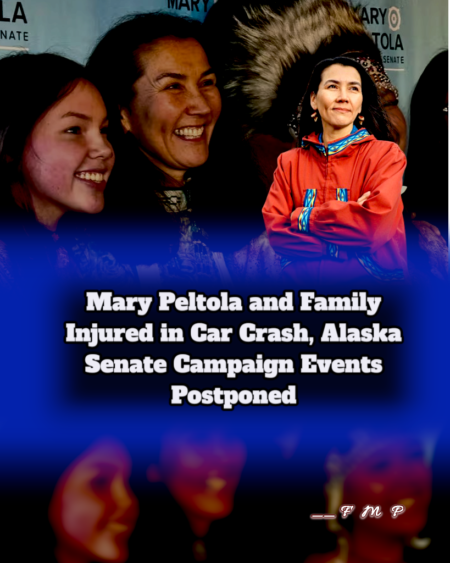
The lawsuit has drawn criticism from Democratic candidate Mary Peltola and Republican Senator Lisa Murkowski, who has argued that Alaskans do not need outside political intervention to choose their preferred candidates. Peltola’s campaign has condemned the legal action, while supporters of the administration maintain that the government has a responsibility to protect election integrity. Trump has acknowledged directing the Justice Department to proceed with the lawsuit. The competing positions leave a difficult question hanging over Alaska: when does protecting voters from possible confusion become interference with their right to decide?
The timing makes the dispute even more politically sensitive. Alaska’s November 3, 2026, Senate election could help determine control of the US Senate, and the state uses ranked-choice voting in the contest. The administration’s lawsuit seeks to prevent certification under specified circumstances pending an investigation into whether votes intended for the incumbent were cast for the other Sullivan. Legal experts and political opponents have questioned the lawsuit’s legal basis, while the administration insists it is acting within the law. For ordinary voters, the situation risks turning a straightforward civic responsibility into a courtroom drama in which the meaning of one word receives almost as much attention as the meaning of the final vote.
Trump’s remarks have transformed an already contentious election dispute into a wider argument about political power, voter confidence and the limits of federal intervention in state elections. Although ballot clarity is a legitimate concern, allegations of voter confusion must be supported by evidence, and the eventual result must be judged through lawful procedures rather than political expectations. OGM News will continue following the lawsuit, the court’s decisions and the responses from Alaska’s candidates and election officials. Stay tuned: the next chapter may determine whether this dispute remains a question of ballot wording or becomes a much larger battle over who gets the final say in an election.
Yo, just tried out that ad786game site. Pretty smooth experience, feels legit. Worth checking out...