







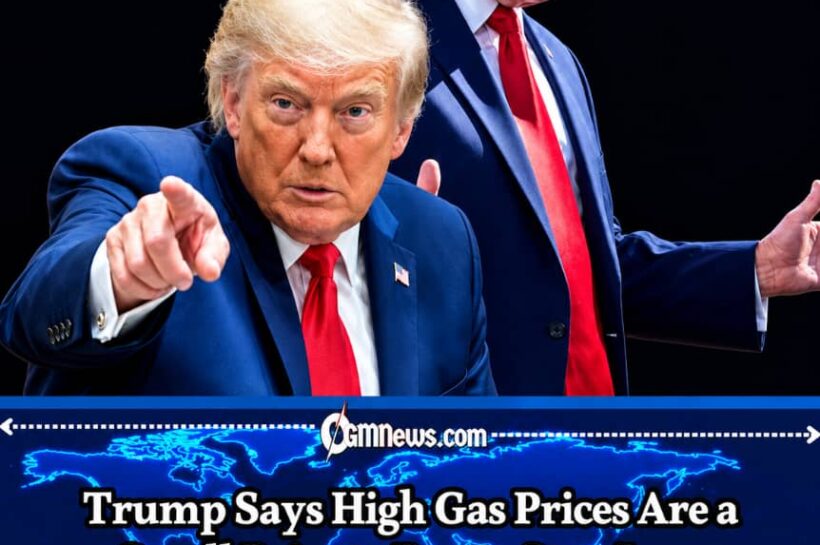
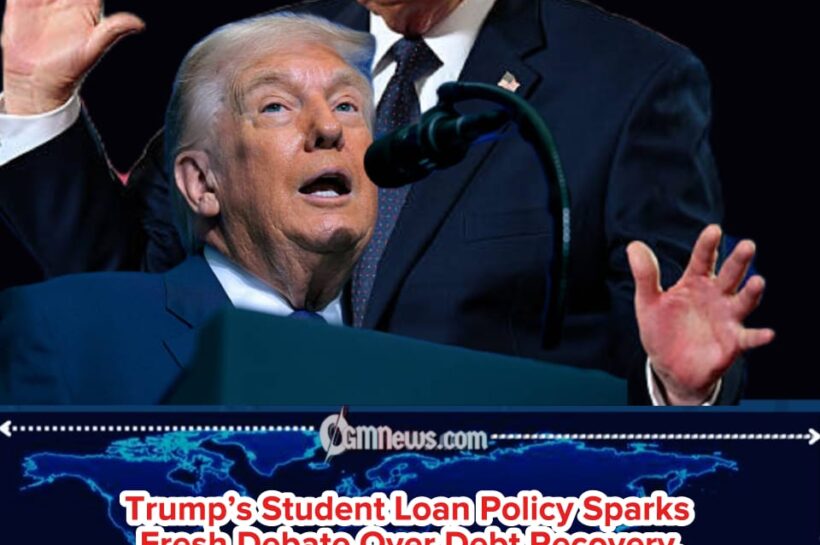







U.S. President Donald Trump is defending the high cost of gasoline amid the ongoing conflict with Iran, arguing that Americans paying more at the pump is a reasonable sacrifice to prevent Tehran from acquiring a nuclear weapon.
Speaking in comments reported on October 20, Trump acknowledged the financial burden facing motorists but insisted that the national security objective justified the expense. “It’s a big price, but actually it’s a small price to pay for not letting Iran have a nuclear weapon,” he said.
The statement comes as rising energy costs put additional pressure on American households and intensify scrutiny of the administration’s handling of the conflict. Trump has maintained that oil prices will fall once the war ends, but the immediate costs of fuel remain a concern for consumers.
Trump Prioritizes National Security Over Fuel Costs
Trump’s argument is that preventing Iran from obtaining a nuclear weapon outweighs the short-term economic pain associated with higher gasoline prices. His administration has framed its approach to Iran around national security, maintaining that Tehran must not be allowed to develop a nuclear weapon.
However, the president’s position highlights a difficult question for American households: how much economic pressure should consumers be expected to absorb while the United States pursues its security objectives? Higher fuel prices can affect more than drivers. They can also increase transportation expenses, raise the cost of moving goods and put pressure on household budgets.
Trump has suggested that gasoline prices will decline when the conflict ends. That expectation, however, depends on how the conflict develops and whether disruptions to oil production, shipping and distribution can be resolved. His assurance has not eliminated concerns about the immediate cost of living.
The Iran Conflict and America’s Economic Debate
The rise in fuel prices has become a broader economic and political issue as the conflict with Iran continues. Recent reporting has linked the increase in gasoline and diesel costs to the war and disruptions affecting energy supplies, including risks surrounding the strategically important Strait of Hormuz.
According to a recent report by Business Insider, gasoline prices have remained above $4 per gallon during the conflict, while diesel prices have climbed substantially. The report also cited a year-over-year increase in U.S. consumer prices in September, with energy costs among the major contributors. These figures illustrate why fuel prices have become a prominent concern for households and policymakers.
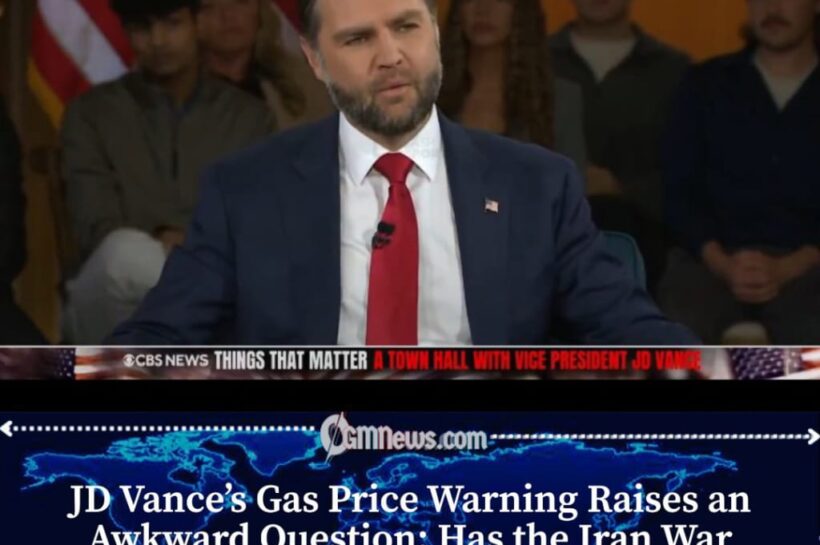
The debate is also affecting the administration’s economic messaging. Trump has defended his policies and described the country’s economic trajectory positively, while Vice President JD Vance has acknowledged that Americans are facing real financial pressures. The contrast illustrates the challenge facing the administration as it attempts to defend its national security strategy while responding to concerns over affordability.
Iran’s Nuclear Ambitions Remain Central to the Dispute
Trump’s remarks reflect his administration’s stated objective of preventing Iran from acquiring a nuclear weapon. Iran’s nuclear programme has been at the centre of a long-running international dispute, with concerns over uranium enrichment and Tehran’s intentions contributing to years of diplomatic confrontation.
Iran denies seeking to build a nuclear weapon. Consequently, the debate involves both the security concerns expressed by the United States and the wider dispute over Iran’s nuclear activities, regional conduct and the consequences of military action.
The president’s statement does not settle the question of how effective the current strategy will be or how long Americans may face higher energy costs. It does, however, make clear that Trump is presenting the economic burden as a sacrifice tied to his administration’s security objectives.
Trump’s declaration that high gasoline prices are a small price to pay for preventing Iran from acquiring a nuclear weapon places national security and household affordability at the centre of the same debate. Supporters of his approach may view the prevention of a nuclear-armed Iran as a priority worth significant economic costs, while critics may question the duration and consequences of those costs for American families.
The key questions remain how long energy prices will stay elevated, what developments could bring the conflict to an end, and whether the administration can achieve its stated security objectives without prolonging economic hardship.
Follow OGM News for more updates on the Trump administration, the Iran conflict, fuel prices and the global developments affecting everyday life.

Playing from Quito has never been easier thanks to this amazing platform. The mobile version...