




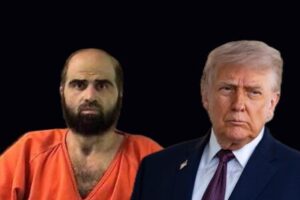




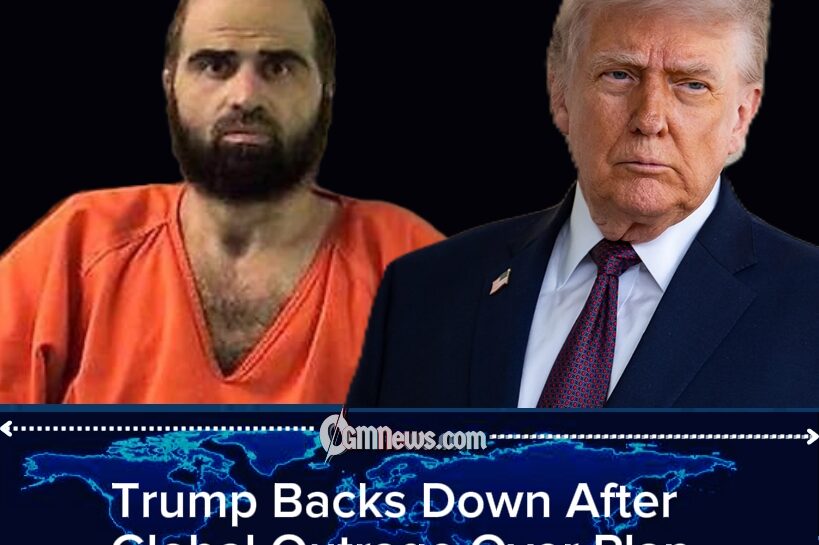








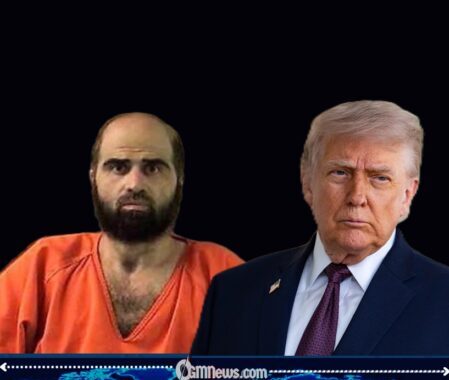
U.S. President Donald J. Trump has reportedly abandoned plans to livestream the scheduled execution of Nidal Malik Hasan, the former U.S. Army psychiatrist convicted of killing 13 people in the 2009 Fort Hood shooting in Texas, following widespread condemnation of the proposal. The controversy has raised serious questions about public executions, the limits of punishment as a deterrent and the ethical responsibilities of a government that considers broadcasting a person’s death.
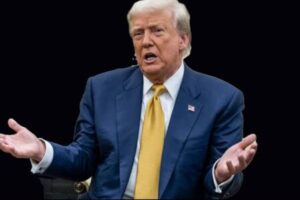
The reported reversal came after Defense Secretary Pete Hegseth indicated that the administration would ensure the public could watch the execution. The proposal attracted criticism and comparisons with practices associated with authoritarian governments. Trump subsequently acknowledged that many people would prefer not to watch a person die on a screen, announcing that the execution would proceed as scheduled but would not be streamed. The decision leaves the punishment in place while withdrawing the proposed public spectacle.
From Deterrence Argument to Global Outrage
The administration’s original argument rested on the belief that broadcasting Hasan’s execution could serve as a powerful warning to potential terrorists. Trump reportedly described the possibility as a way for the world to witness America’s treatment of those convicted of terrorism and other grave crimes. However, the proposal quickly became more than a debate about criminal punishment: it raised concerns about whether turning an execution into a livestream would advance public safety or simply transform state-administered death into a disturbing media event.
Critics questioned whether a government seeking to demonstrate the seriousness of its justice system should make a person’s death available for public viewing. Comparisons with countries that have used public executions to project power intensified the controversy. The episode also exposed a difficult contradiction for an administration seeking to appear uncompromising on national security while confronting the moral and reputational costs of broadcasting a killing in the name of deterrence.
Execution Still Scheduled as Trump Administration Retreats From Public Spectacle
Trump’s reported decision changes the presentation of the punishment, not its intended outcome. Hasan, who was convicted in connection with the November 2009 Fort Hood attack that killed 13 people and wounded more than 30 others, remains at the centre of a case that has carried profound consequences for the victims, survivors and military community. The proposed livestream had threatened to shift attention from the gravity of those losses towards the spectacle of the execution itself.
The reversal may therefore be interpreted as a concession to public pressure, even as the administration maintains its hard-line position on punishment for terrorism. In a striking turn, a proposal initially defended as a lesson for the world has reportedly been withdrawn because many people did not want to watch the event. The administration now faces a broader question: can the state demonstrate resolve without turning death into entertainment? That debate is likely to continue well beyond this particular case.
The controversy surrounding Hasan’s scheduled execution illustrates the tension between retribution, deterrence, human dignity and the public image of American justice. Although the reported livestream plan has been scrapped, the execution itself remains the central issue in the account provided. Readers should watch OGM News for further updates and verified developments concerning the case, the legal status of the sentence and any subsequent decisions by the administration.

https://addlinks.pro/F5U8q