


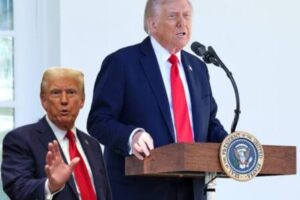











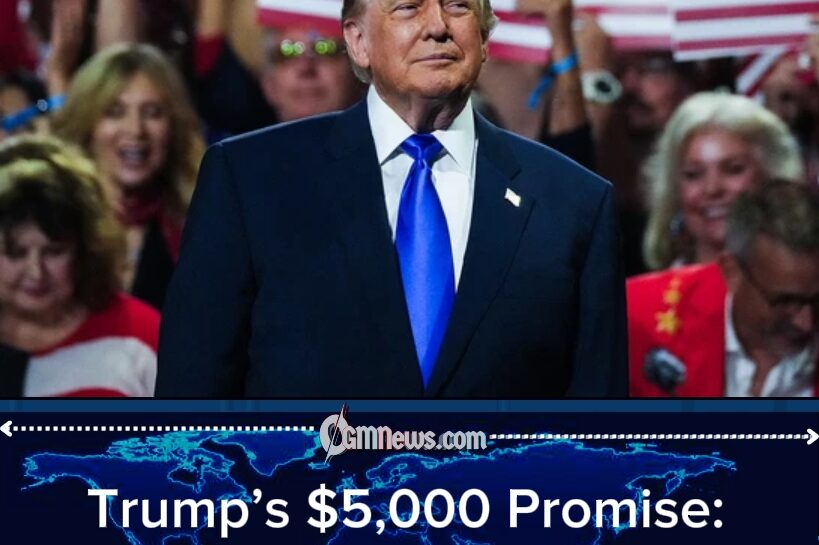






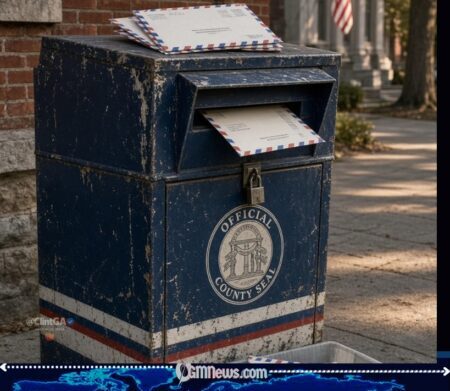
With just 50 days until the November 3 U.S. midterm elections, President Donald J. Trump’s effort to tighten federal control over mail-in voting has run into another courtroom wall — this time from a federal judge appointed by Trump himself. U.S. District Judge Carl J. Nichols has issued a preliminary injunction blocking the U.S. Postal Service from enforcing key parts of the administration’s new mail-ballot rules, warning that the changes could make it significantly harder for eligible Americans to have their votes counted.
The ruling is particularly awkward for an administration that has been pushing the restrictions as an election-integrity measure. In effect, the legal message is beginning to sound like: the White House may write the rule, but the courts still get to read the Constitution. Nichols concluded that plaintiffs had demonstrated a serious risk that otherwise valid absentee and mail-in ballots could go uncounted, while also finding that the Postal Service had exceeded its legal authority in key parts of the regulations.
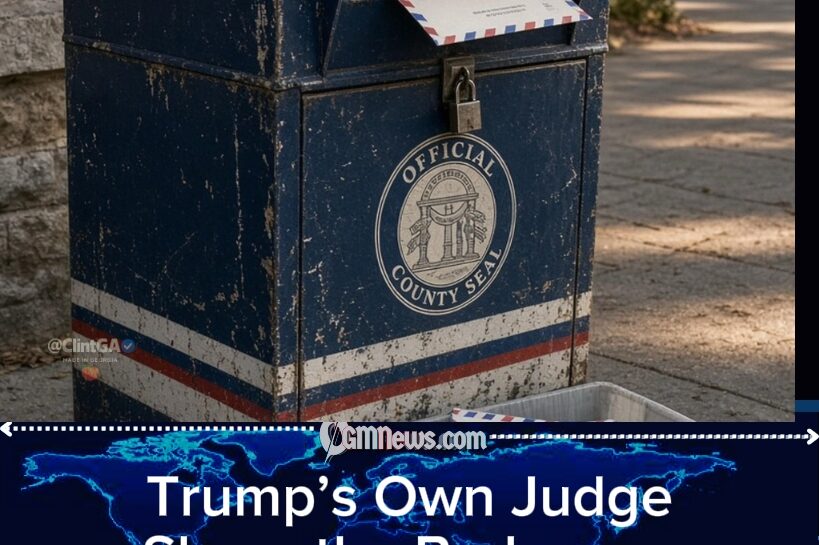
Trump’s Own Appointee Puts the Brakes on the Postal Plan
The dispute centers on President Trump’s March executive order directing changes to federal-election procedures, including a new framework for mail-in and absentee ballots. The administration subsequently directed the USPS toward requirements involving ballot-envelope designs, voter information and a system for checking voters against state-provided lists. The White House has described the measures as efforts to strengthen election integrity and modernize ballot security.
But Judge Nichols’ latest decision says the Postal Service cannot simply assume powers over election administration that Congress has not given it. The ruling follows an earlier injunction by U.S. District Judge Indira Talwani, meaning the administration now faces judicial restrictions from two federal judges while the Supreme Court considers the broader legal fight. An appeals court also recently upheld the block on the administration’s order.
The Ballot Clock Is Ticking While Washington Argues
The timing makes the dispute particularly explosive. Mail ballots are already moving into the election system in states including North Carolina, Alabama and Wisconsin, while other states are preparing to follow. Election officials and voting-rights advocates have warned that introducing major new federal requirements this late could create confusion and increase the risk of legitimate ballots being rejected or left uncounted.
The administration, however, argues that leaving the injunction in place creates its own uncertainty. Solicitor General John Sauer has urged the Supreme Court to intervene, arguing that every day the injunction remains in effect could complicate preparations for the election. Critics respond that the greater danger is attempting to build and impose an untested federal system while voters are already preparing to cast their ballots. A whistleblower report has also raised concerns about problems with the USPS system being developed for the new process.
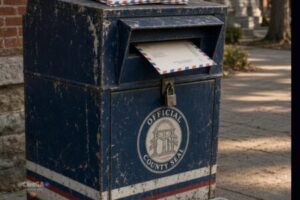
In the satirical version of Washington’s latest election drama, the ballot has apparently become the most heavily litigated piece of mail in America — with the Postal Service waiting for instructions, the administration waiting for the Supreme Court, and voters simply waiting to find out whether their ballots will make it safely through the legal maze. With the November 3 election only 50 days away, the Supreme Court’s next move could determine whether Trump’s mail-voting restrictions survive, disappear or return to the courtroom for yet another round. OGM News will continue to monitor the developing legal battle and bring readers further updates as they emerge

This casino has been my consistent pick for weekend entertainment. The game selection is top...