
























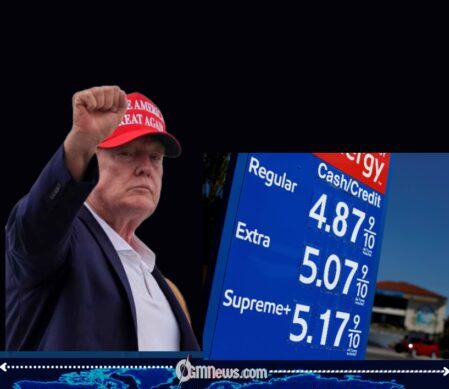
As millions of Americans prepare for the Labor Day weekend, the traditional final road trip of summer is facing an unexpected co-star: a gasoline bill that may require its own holiday budget. GasBuddy forecasts that the national average gasoline price could reach $4.03 per gallon, which would be the highest nominal Labor Day average on record and well above the previous $3.83 record set in 2012.
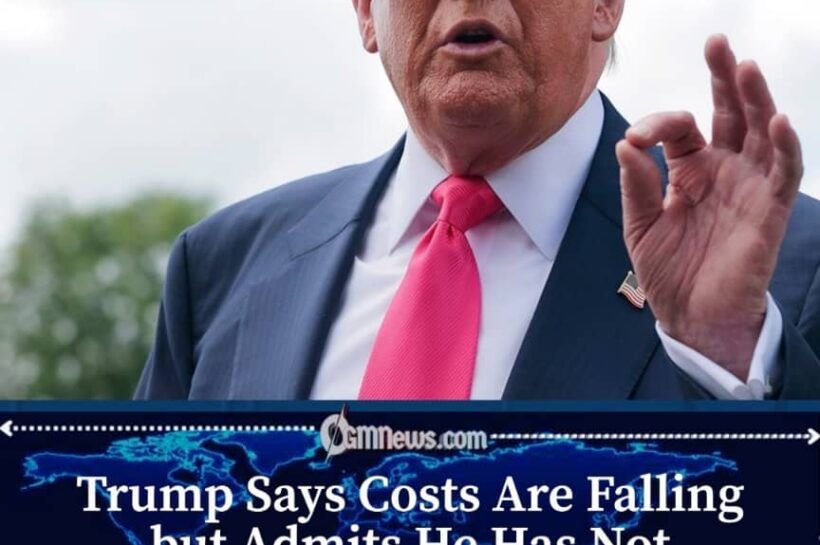
The timing could hardly be more politically uncomfortable for President Donald J. Trump, whose administration has promised to bring down energy costs. With crude oil recently moving above $90 a barrel and international tensions disrupting energy markets, motorists are increasingly discovering that the quickest route to the beach may now require a financial consultation with their wallets.
The $4 Pump Becomes America’s New Holiday Attraction
The gasoline squeeze is being driven largely by turmoil in global energy markets. Concerns surrounding the Middle East conflict and the Strait of Hormuz have increased fears of crude-supply disruptions, while attacks on Russian refineries have added pressure to global supplies of refined fuel. U.S. gasoline inventories also fell by 1.2 million barrels in the latest reported week, even as refinery utilization climbed to about 98%.
For motorists, however, explanations from the global oil market do not make the pump display any less painful. A driver planning a family getaway can now face a choice that would have sounded ridiculous a few years ago: spend the holiday traveling or spend the money required to make the travel possible. GasBuddy’s current figures put the national average above $4, while diesel has also reached a new record, adding further pressure to transportation costs.
Labor Day: Trump Promises Lower Costs as Drivers Lower Their Expectations
President Trump has repeatedly pledged to reduce energy costs, while also arguing that Americans may have to tolerate somewhat higher gasoline prices when national-security considerations are involved. The political problem is that gasoline is one of the most visible prices in the economy: consumers encounter it frequently, and rising pump prices can quickly influence how they feel about the broader economic situation.
The squeeze is already influencing behavior. Some motorists are cutting back on discretionary driving and holiday travel, while higher fuel and transportation expenses threaten to spill into household budgets more broadly. With the 2026 midterm elections approaching, the gas pump is therefore becoming more than a place to fill a tank—it is becoming another potential scoreboard for voter frustration.
For now, America’s Labor Day celebration comes with an unusually expensive admission fee: gasoline. Whether prices ease after the summer travel season, as normally expected, may depend heavily on how global tensions develop and whether energy supplies stabilize. Until then, motorists may want to watch both the road ahead and the price displayed at the pump. OGM News will continue to monitor the situation and bring readers further updates as the story develops

[…] […]