









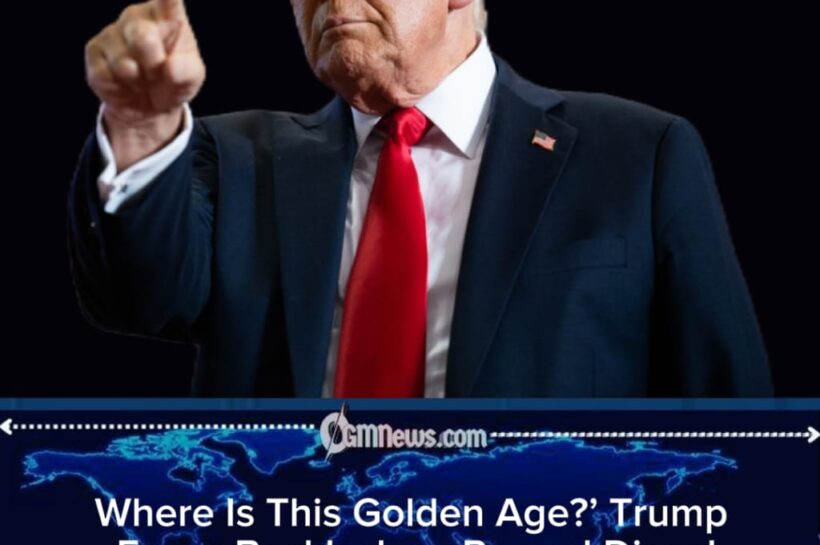

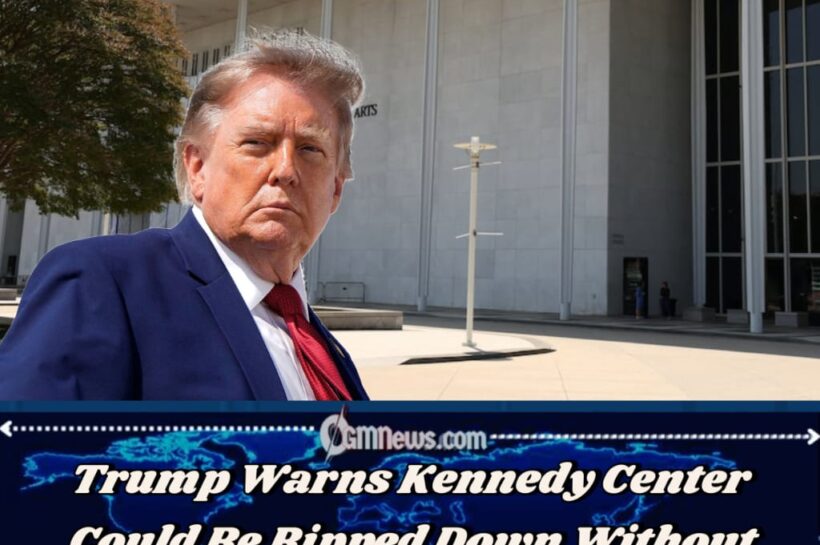
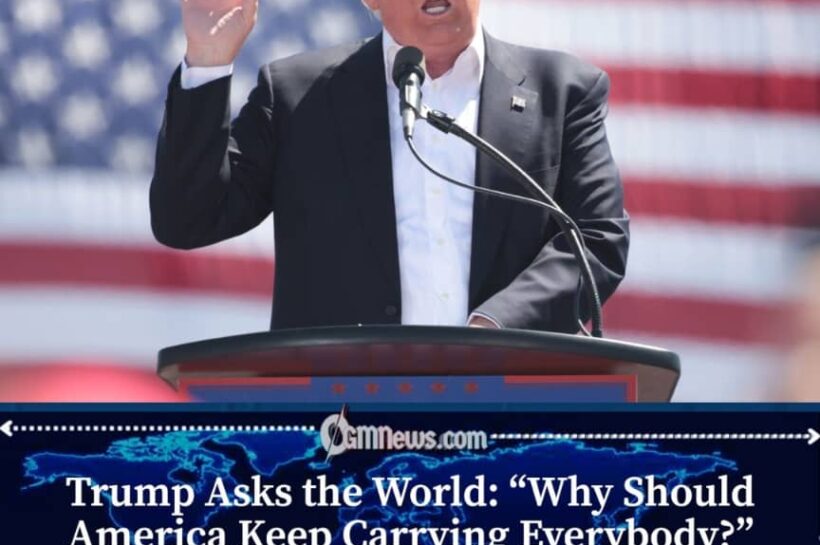





President Donald Trump has suffered another legal setback in his long-running effort to erase his New York criminal conviction after a federal judge on Friday rejected his latest attempt to move the already-decided hush-money case from state court into the federal system. Judge Alvin Hellerstein ruled that Trump’s arguments were neither new nor legally sufficient and that his lawyers had failed to demonstrate the required diligence.
The ruling is particularly significant because Donald Trump is not trying to relocate an ordinary pending trial. The case has already produced a conviction: a Manhattan jury found him guilty in May 2024 on 34 felony counts of falsifying business records connected to a $130,000 payment to Stormy Daniels before the 2016 presidential election. Trump received an unconditional discharge in January 2025, meaning he faced no jail time or fine, but the conviction remained on the books.
The Federal Detour That Never Quite Took Off
In a development that might make even a courtroom map blush, Donald Trump’s legal team sought to transfer the state case into federal court, arguing that the Supreme Court’s July 2024 presidential-immunity ruling could provide a pathway to overturning the conviction. The Supreme Court held in Trump v. United States that presidents have immunity from criminal prosecution for official acts, while making clear that there is no immunity for unofficial acts.
Hellerstein had previously rejected Trump’s attempts to remove the case. After a federal appeals panel ordered a closer examination of whether the Supreme Court’s immunity ruling affected evidence presented at Trump’s trial, the judge reconsidered the issue but again found Trump’s latest grounds inadequate. In the satirical version of the courtroom travel itinerary, the case apparently packed its bags for Washington, only to discover that the federal courthouse was not accepting the reservation.
Conviction Still Standing as Donald Trump Keeps Appealing
At the heart of Donald Trump’s argument is the claim that evidence from his first presidential term—including testimony involving former White House communications director Hope Hicks—should have been protected by presidential immunity. But the federal judge maintained that the hush-money prosecution concerned private conduct rather than official presidential duties. The Supreme Court’s 2024 ruling itself distinguishes protected official acts from conduct outside presidential responsibilities.
Trump continues to challenge the conviction through New York’s state appellate process, meaning Friday’s ruling does not end his broader legal fight. The hush-money prosecution was the only one of the four criminal cases originally brought against him that reached trial. For now, the conviction remains intact, leaving Trump’s legal team with another courtroom door to knock on—and another judge’s ruling to read before deciding where to knock next.
The latest ruling therefore leaves President Donald Trump facing the same basic legal reality: his conviction remains in place while his lawyers continue searching for a route to overturn it. Whether another appeal produces a different outcome remains to be seen, but the hush-money case is clearly not finished generating legal drama. Readers should watch OGM News for further updates as Trump’s continuing battle over the conviction moves through the courts.
[…] […]