















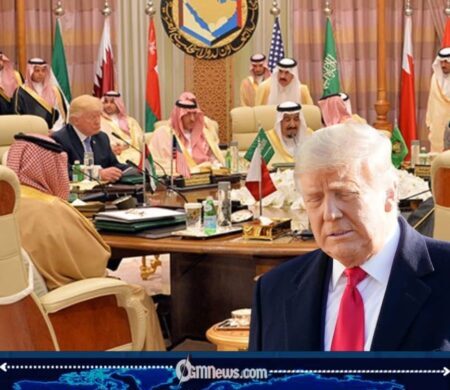
Gulf allies are reportedly growing increasingly frustrated with the handling of the Iran war by U.S. President Donald Trump, with officials in Saudi Arabia, the United Arab Emirates, Qatar, Kuwait and Bahrain facing the uncomfortable reality of being heavily dependent on American security while also being exposed to the consequences of Washington’s shifting strategy. The latest developments suggest that the Gulf states are beginning to consider whether relying exclusively on Washington remains a wise long-term security plan.
The Gulf Allies’s Growing Security Headache
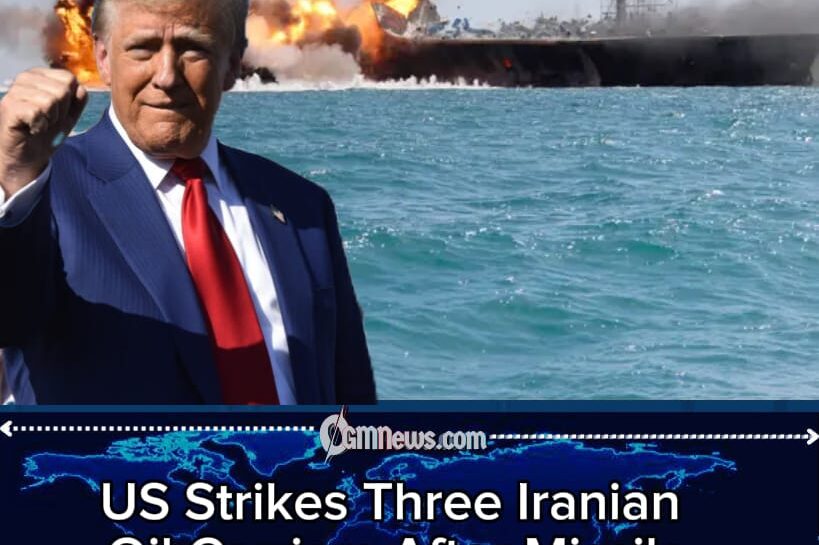
The frustration is understandable. The war has already spilled across the region, with Iranian attacks and threats affecting Gulf infrastructure, shipping and energy interests. On August 14, the UAE said an ADNOC vessel had been attacked while transiting the Strait of Hormuz, while Iran has warned Gulf countries that continued U.S. military action could bring retaliation against oil facilities, power networks and other strategic infrastructure.
For Gulf Allies governments, the situation has created a diplomatic puzzle worthy of a political comedy. They still need American military protection, weapons and intelligence, but they also want Washington to understand that every dramatic turn in the Iran confrontation can leave their own cities, ports and energy facilities closer to the front line. Trump has recently shifted between military threats, economic pressure and diplomatic efforts, adding to the perception of an unpredictable strategy.
When Friends Start Looking for Another Umbrella
Saudi Arabia appears to be taking the warning seriously. Riyadh has strengthened defence cooperation with Turkey and Pakistan and is working with other countries on maritime security, suggesting that regional powers are increasingly interested in building additional layers of protection rather than depending on a single external power. Analysts have also pointed to wider efforts toward a new regional security framework involving Gulf and non-Gulf powers.
The irony is that the Gulf Allies states are not necessarily preparing to abandon Washington; they are preparing for the possibility that Washington may not always respond exactly when they need it. In June, U.S. and Gulf officials publicly reaffirmed their strategic partnership and Washington’s commitment to Gulf security, but the continuing war has nevertheless raised serious questions about the reliability and future shape of the security relationship.
The emerging message from the Gulf Allies appears increasingly clear: America may remain the region’s most important security partner, but the Gulf monarchies do not want their survival strategy to depend on one unpredictable button being pressed in Washington. As the Iran war continues and the Strait of Hormuz remains a major flashpoint, OGM News will continue to watch whether today’s frustration develops into a permanent regional defence realignment. More updates may follow as Gulf leaders decide whether to keep waiting for Washington—or quietly build a Plan B.

[…] […]