








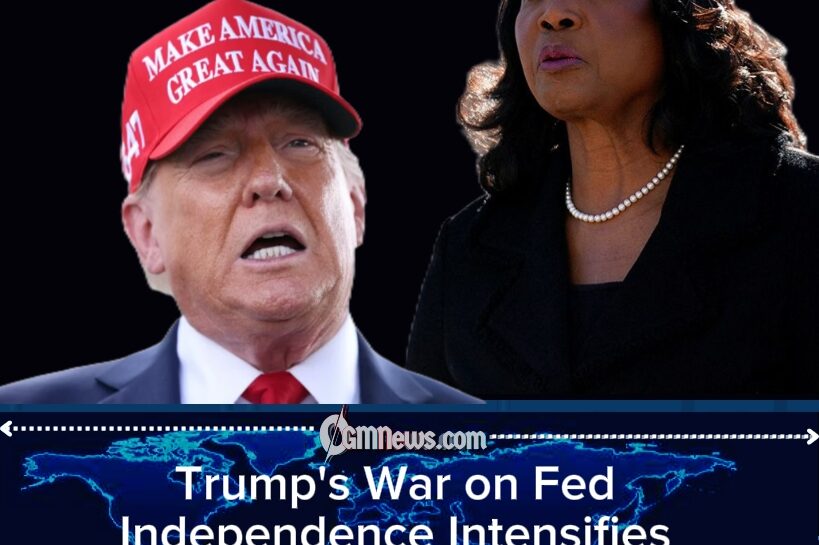







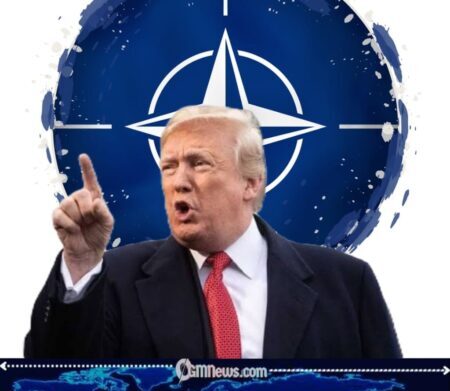
President Donald J. Trump has reignited his long-running dispute with NATO, accusing America’s European allies of failing to support the United States during the conflict with Iran. Trump said he was disappointed that NATO countries did not come to America’s assistance and argued that the alliance had failed a major test. The complaint has added another layer of tension to an already complicated relationship between Washington and its European allies.
Trump’s criticism, however, comes with a significant footnote. NATO Secretary General Mark Rutte has said the issue was not quite as simple as “NATO did nothing,” pointing to bilateral agreements under which European countries provided access to bases and other forms of support. NATO said those arrangements enabled thousands of sorties from European bases during the operation.
Trump Wants NATO to Explain Where the Help Was
Trump has repeatedly argued that the United States has spent enormous sums defending its allies while receiving insufficient assistance in return. During remarks in March, he described NATO as a “paper tiger” and complained that allies were only interested in participating after the most dangerous phase of the conflict had passed.
In satirical Washington terms, the alliance appears to have encountered the world’s most complicated group-project dispute: one member says, “Nobody helped me,” while the other members arrive carrying evidence that they actually did something. The argument has now become less about whether help existed and more about whether it was the particular kind of help Trump wanted.
Trump’s NATO Dispute Refuses to Leave the Room
The disagreement has continued beyond the initial Iran conflict. Donald has warned that America’s relationship with NATO must become more reciprocal and has complained about European countries’ contributions to U.S.-led military efforts. In July, he again described the existing relationship as one-sided and questioned why the United States should continue carrying such a large share of the alliance’s burden.
NATO officials, meanwhile, have stressed that individual European allies made contributions through existing agreements rather than necessarily operating as a single NATO military force. Rutte’s explanation effectively introduced another character into the argument: NATO itself versus the individual countries that make up NATO. Apparently, even international alliances occasionally require a very long explanation of who actually received the group assignment.
The Trump-NATO dispute therefore remains a significant test of the alliance’s future, particularly as Washington and European capitals continue navigating the aftermath of the Iran conflict. Trump says America’s allies failed to stand with the United States; NATO officials point to substantial forms of support that did occur. OGM News will continue watching the argument as both sides attempt to establish exactly what “support” was supposed to mean—and whether the next disagreement comes with another diplomatic receipt.

[…] […]