
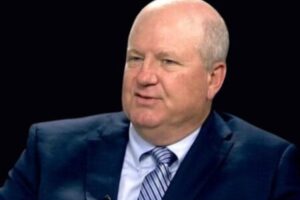







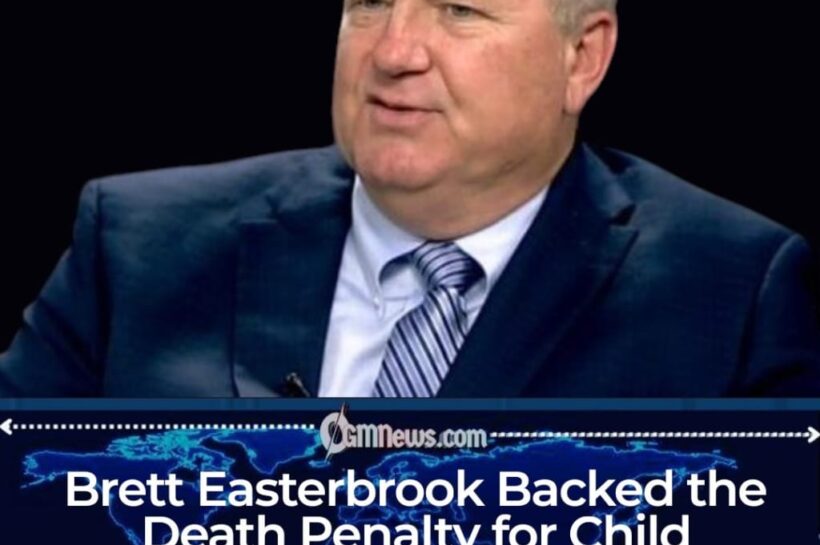















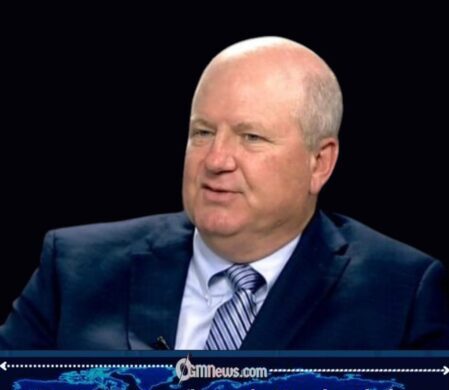
Republican Alabama State Representative Brett Easterbrook is facing uncomfortable questions after a court filing reportedly alleged that he agreed to pay $500 for sex with someone he believed was a minor. The case has drawn attention because Easterbrook previously voted for legislation permitting the death penalty for certain serious sexual offences against children. The allegations have created an extraordinary political contrast: a lawmaker who supported some of the harshest penalties for child sex crimes is now facing criminal charges arising from an undercover operation. To be clear, these are allegations, not a conviction, and the distinction between the alleged conduct and the legislation he supported matters.
The $500 Allegation That Put Brett Easterbrook Under the Spotlight
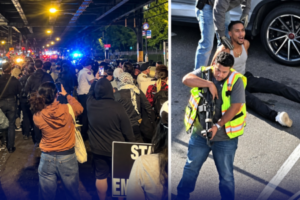
According to court documents described in reporting published on October 6, 2026, Easterbrook allegedly agreed to pay $500 for sexual intercourse with an individual he believed to be under 19. The case arose from a law-enforcement sting in Escambia County, Alabama, during which several men were arrested. Authorities initially charged Easterbrook with first-degree human trafficking and soliciting prostitution. Prosecutors subsequently sought to reduce the trafficking charge to attempted human trafficking because the undercover operation did not involve an actual victim.
The distinction is legally significant. Alabama’s trafficking law treats a person under 19 as a minor for the relevant charge, even though the state’s age of consent is generally 16. The amended charge also changes the potential criminal exposure. Easterbrook has not been convicted, and the allegations must be tested through the legal process. Nevertheless, the reported $500 agreement has placed his public judgment and political credibility under intense scrutiny.
Brett Easterbrook’s Previous Vote Raises Questions About Political Consistency
The controversy is particularly striking because Easterbrook previously supported Alabama’s Child Predator Death Penalty Act. Governor Kay Ivey signed the legislation on February 12, 2026. The measure permits capital punishment for specified serious sexual offences involving children under 12; it does not make every sex-related offence involving a minor punishable by death, nor does it apply to the allegations in Easterbrook’s current case. That legal distinction is essential, even as the contrast between his legislative position and the allegations fuels public debate.
And here comes the political irony: a lawmaker who voted for severe punishment for certain child sex crimes now has to answer questions about allegations involving someone he reportedly believed was under 19. Satirically speaking, the public is left wondering whether the tough-on-crime speeches came with an equally tough standard for personal conduct. But political irony is not proof of guilt. The proper questions remain what the evidence establishes, how the court proceedings unfold, and whether Easterbrook can maintain public confidence while facing the charges.
The case is also a reminder that public officials who champion strict laws should expect their own conduct to receive serious scrutiny. Accountability should not depend on party affiliation, public image, or how forcefully a politician condemns the conduct of others. At the same time, responsible reporting requires a clear distinction between an accusation and a proven offence.
OGM News will continue to follow the case as further verified information emerges. Watch this space for updates on the court proceedings, the charges, and any response from Brett Easterbrook or Alabama’s political leadership.


[…] […]