























Redistricting has once again become the political buzzword in Indiana after longtime Republican Senate leader Rodric Bray announced he would step down from his leadership position, months after opposing President Donald J. Trump’s push for a new congressional map. While Bray did not publicly link his departure to the controversy, the timing has fuelled speculation that the political aftershocks of the redistricting battle are still shaking the Statehouse. In politics, it seems maps may not only redraw districts—they can also redraw careers.
Redistricting Revolt Ends With Indiana Republican Leader Leaving Top Post
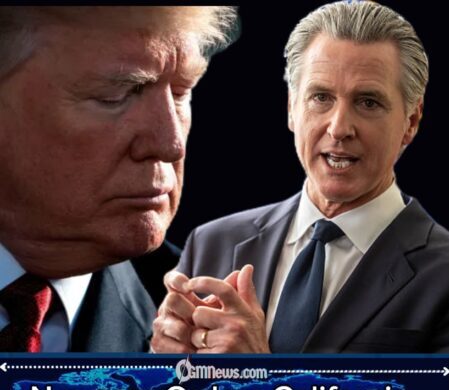
Rodric Bray, who had served as Indiana Senate President Pro Tempore since 2018, surprised colleagues by announcing he would leave his leadership role while remaining in the Senate. His resignation follows months of internal Republican tensions after he resisted efforts to convene lawmakers for a mid-decade congressional redistricting plan backed by President Donald J. Trump. Bray maintained that there was insufficient support within the Senate to advance the proposal, despite considerable pressure from within his party.
The disagreement evolved into one of the most closely watched Republican disputes in Indiana. Several Republican senators who joined Bray in opposing the proposed map later lost their primary elections to Trump-backed challengers, highlighting the President’s continued influence within the party. Satirically speaking, the political message appeared simple: in Indiana, even a map can become a career performance review.
Indiana GOP Leadership Shaken After Trump Redistricting Showdown
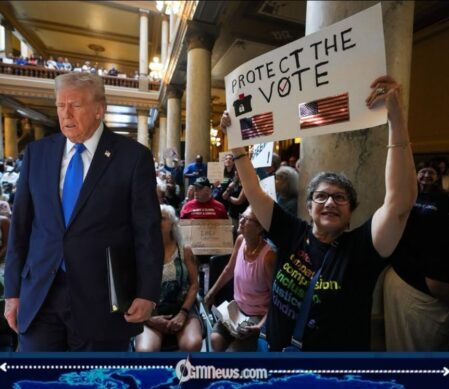
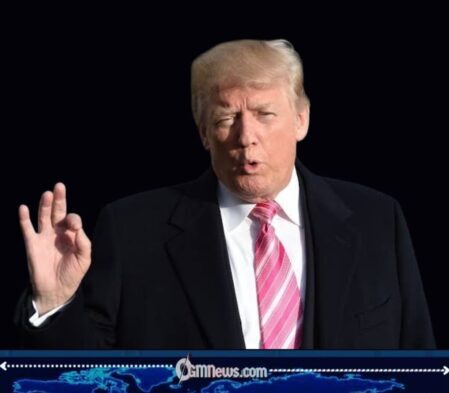
The dispute reflected a broader national conversation surrounding congressional redistricting. President Donald J. Trump has encouraged Republican-led states to consider new district maps ahead of the midterm elections, arguing that updated boundaries would better reflect political realities and strengthen Republican representation in Congress. Similar debates have unfolded in several states, with supporters describing the effort as legitimate legislative action and critics characterising it as partisan gerrymandering.
Although Bray’s resignation statement focused on leadership renewal rather than political disagreements, many observers see his departure as the closing chapter of a difficult period for Indiana Republicans. The Senate is expected to elect new leadership later this year, a decision that could influence not only future legislative priorities but also how willing lawmakers may be to challenge powerful figures within their own party. As always, the next political map may prove easier to draw than the next political alliance.
OGM News will continue following developments surrounding Indiana’s Republican leadership transition and the wider debate over redistricting. As new political battles emerge and leadership decisions unfold, readers can expect balanced reporting—with just enough satire to remind everyone that in politics, straight lines are sometimes the hardest thing to find.

[…] […]