





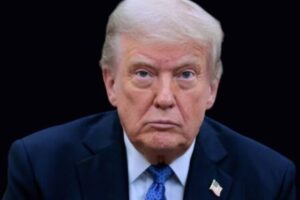





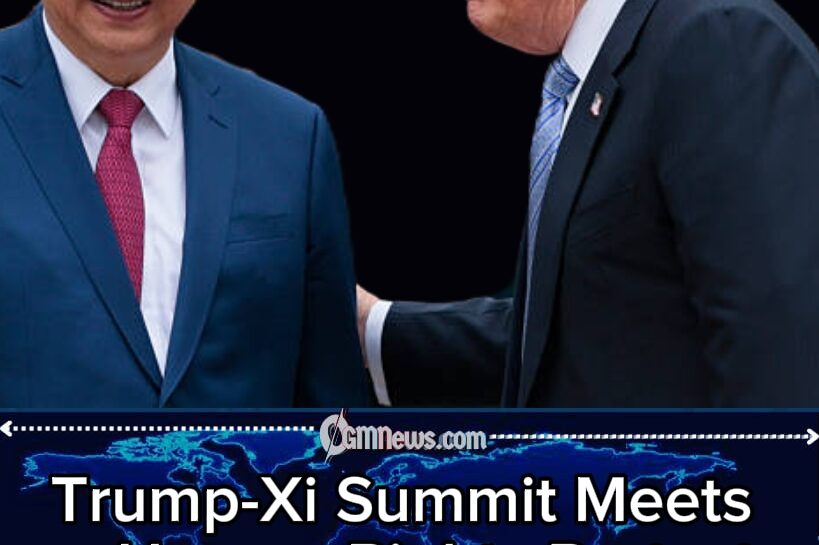

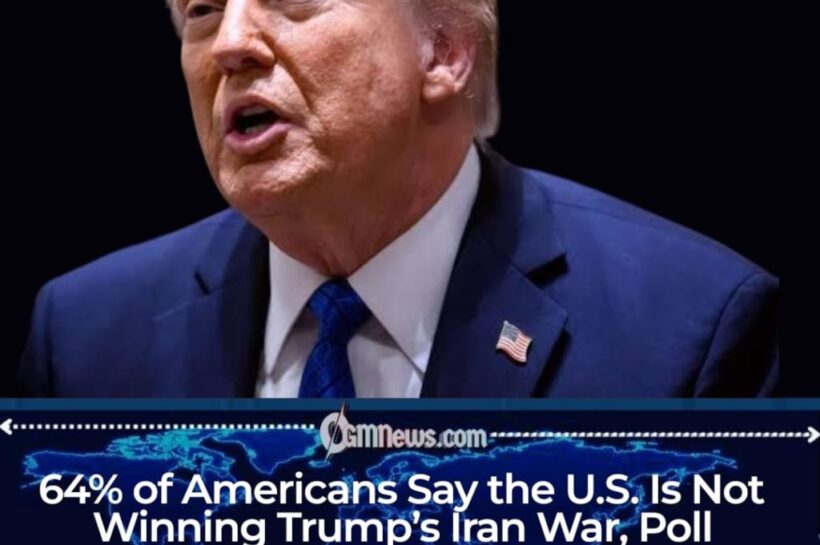


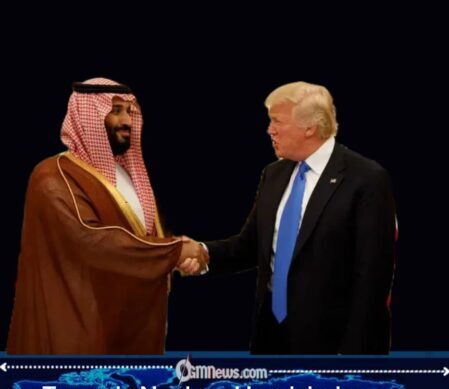
The world’s diplomatic stage has once again produced a plot twist worthy of political satire. President Donald J. Trump has unveiled a sweeping agreement that would allow Saudi Arabia to establish a civilian nuclear energy programme with significant American involvement, even as the conflict involving Iran continues to intensify across the Middle East. While supporters describe the agreement as an economic and strategic breakthrough, critics are wondering whether anyone remembered to read the instruction manual before handing over the keys to such a sensitive project.
A Nuclear Deal Wrapped in Diplomacy With Saudi Arabia and Doubt
According to the reported framework, the agreement—expected to span three decades—would place American companies at the centre of constructing Saudi Arabia’s uranium enrichment infrastructure. Saudi Arabia would reportedly accept only limited international inspections, while Washington retains significant oversight over enrichment activities for at least the first decade.
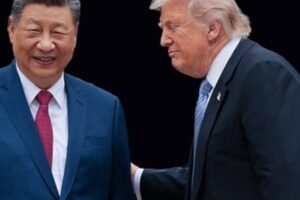
In true geopolitical fashion, everyone appears to be smiling for the cameras while quietly counting possible consequences behind the scenes. Some American lawmakers and Israeli officials have expressed concern that even a civilian nuclear programme could eventually become a stepping stone toward military capability. Saudi officials, meanwhile, continue to insist the programme exists solely to diversify energy production and free more oil for export, arguing that electricity, not explosives, is the objective.
Oil Markets, Missiles and Political Chessboards
The timing of the agreement has intensified the controversy. The United States has spent years confronting Iran over uranium enrichment, making the new arrangement with Saudi Arabia a source of uncomfortable comparisons. Political observers joke that international diplomacy has become a game where the rules change depending on whose turn it is to hold the briefcase.
Meanwhile, the wider regional conflict continues to place enormous pressure on global energy markets. Attacks linked to Iranian-backed Houthi forces have raised concerns over shipping through the Red Sea and the Bab al-Mandab Strait, while disruptions around the Strait of Hormuz continue to fuel anxiety over global oil supplies. Brent crude prices have climbed sharply amid fears that further escalation could disrupt a significant share of international energy exports. At the same time, American military operations against Iranian targets have continued, with both sides exchanging strikes as diplomatic efforts remain stalled.
As Congress prepares to examine the proposed agreement, the political battle may prove almost as intense as the conflict unfolding overseas. Supporters argue the arrangement strengthens American influence and creates billions of dollars in business opportunities. Opponents counter that expanding nuclear capabilities in one of the world’s most volatile regions could carry consequences extending far beyond today’s headlines.
OGM News will continue monitoring developments as lawmakers debate the proposal, regional tensions evolve, and global markets respond. Whether this agreement becomes a landmark diplomatic achievement or another chapter in the Middle East’s long history of strategic uncertainty remains a question that only time—and Congress—can answer.
Players know how important it is to find a platform that respects your time and...