

























A legal showdown is unfolding after Roger Rogoff, the judges’ choice to serve as the top federal prosecutor for the Western District of Washington, sued President Donald J. Trump’s administration following his removal less than an hour after being sworn into office. The extraordinary sequence of events has transformed what appeared to be a routine appointment into a constitutional dispute over the limits of presidential authority, with both sides insisting the law is firmly on their side. Somewhere in the middle, lawyers are reportedly polishing their dictionaries to determine exactly what “temporary” really means.
Judges Pick a Prosecutor, White House Removes Him—Now the Courts Must Decide
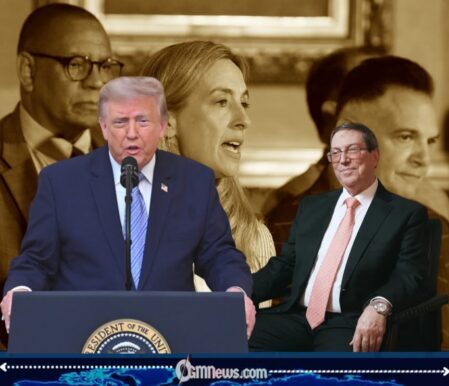
Roger Rogoff, a former federal prosecutor and state judge, was unanimously appointed by federal judges after the U.S. Attorney’s Office in Seattle had operated for years without a Senate-confirmed leader. Federal law allows district courts to appoint an interim U.S. attorney when vacancies continue beyond the statutory period. However, shortly after taking the oath of office, Rogoff received notice that President Donald J. Trump had directed his removal. The administration argues that the President possesses constitutional authority to dismiss U.S. attorneys, including those temporarily appointed by judges.
Rather than quietly packing up his office before learning where the coffee machine was, Rogoff headed to federal court. His lawsuit argues that the governing statute permits a court-appointed U.S. attorney to remain in office until a presidential nominee is confirmed by the Senate. The administration rejects that interpretation, setting up what legal observers describe as a rare constitutional confrontation between the executive and judicial branches. One thing is already certain: this may be the shortest honeymoon period ever recorded for a federal prosecutor.
Trump Administration’s Swift Prosecutor Removal Sparks Constitutional Fight
The dispute reaches beyond one office in Seattle. U.S. attorneys are ordinarily nominated by the President and confirmed by the Senate, but federal law provides judges with temporary appointment authority when vacancies remain unresolved. The current lawsuit is expected to test how those statutory provisions interact with presidential removal powers under Article II of the U.S. Constitution. Constitutional scholars say the outcome could influence future vacancies across the federal justice system.
The case also reflects broader tensions between the executive branch and the federal judiciary over appointments and institutional authority. While supporters of the administration argue President Trump must retain control over executive officers, critics contend judicial appointments made under federal law should not be nullified before a Senate-confirmed successor is installed. As both legal arguments prepare for their day in court, America’s constitutional referees may soon decide whether this one-hour appointment becomes a historical footnote—or a landmark precedent.
OGM News will continue monitoring every courtroom filing, judicial ruling and official response as this unusual legal battle develops. Whether this lawsuit ultimately strengthens presidential authority or reinforces judicial appointment powers, its outcome could shape future federal appointments long after the headlines fade.

Players know how important it is to find a platform that respects your time and...