










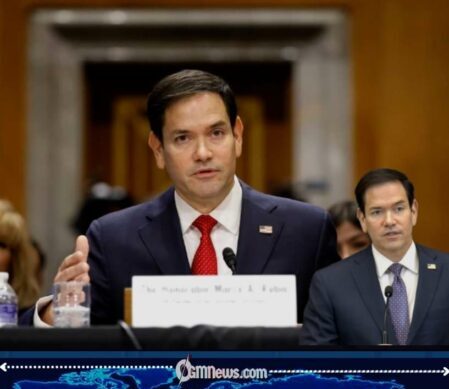
U.S. Secretary of State Marco Rubio has raised concerns that allowing Iran to gain control over the Strait of Hormuz could create a “dangerous precedent,” warning that Tehran’s actions could have consequences far beyond the Middle East. Speaking during the opening remarks at a meeting of ASEAN foreign ministers in Manila, Rubio said Iran was “not serious about talks” and suggested that diplomatic patience should not be mistaken for unlimited tolerance.
The Strait of Hormuz, one of the world’s most strategically important waterways, remains a major route for global energy shipments. Any disruption in the area has the potential to affect oil markets, international trade, and economic stability. Under President Donald J. Trump’s administration, U.S. officials have continued emphasizing the need to protect freedom of navigation and prevent any single country from controlling such a critical passage.
The Strait Where Every Ship Suddenly Learns the Meaning of “Tension”
The latest warning from Rubio has placed renewed attention on the long-running dispute between Washington and Tehran. Iran has repeatedly highlighted its influence in the Gulf region, while U.S. officials argue that attempts to dominate the waterway could challenge international security and create a model other nations might attempt to copy.
In classic geopolitical fashion, the Strait of Hormuz has become the world’s smallest “big problem,” where a narrow stretch of water carries enormous consequences. Analysts say even rumors of conflict around the area can send waves through energy markets, proving that sometimes the biggest global drama can happen in a very small space.
Marco Rubio: Diplomatic Door Remains Open, But Washington Says Iran Must Walk Through It
Rubio’s comments came as diplomats gathered to discuss regional and international issues, with Iran’s nuclear ambitions, military activities, and regional influence remaining major topics of concern. The secretary of state’s remarks suggested that the U.S. believes negotiations require genuine commitment rather than strategic delays.
Meanwhile, the diplomatic chessboard continues moving, with world leaders watching whether Tehran and Washington can find common ground or whether tensions will continue rising. Observers say the situation remains one of the most closely watched foreign policy issues, with every statement carrying the weight of possible global consequences.
The Strait of Hormuz controversy continues to highlight the fragile balance between diplomacy, security, and global economic interests. With President Donald J. Trump’s administration maintaining pressure on Iran while calling for strategic solutions, the next moves from Washington and Tehran could shape the future of regional stability. OGM News will continue monitoring developments as this high-stakes international drama unfolds.
Players know how important it is to find a platform that respects your time and...