
























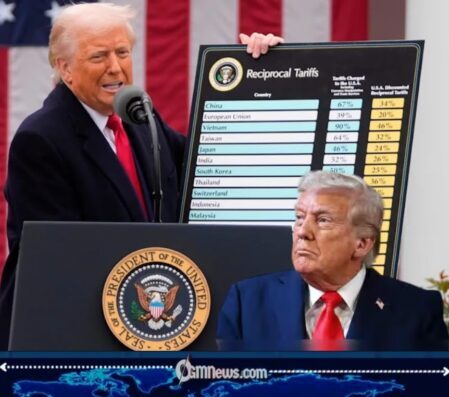
Tariffs are once again dominating the North American political conversation after President Donald J. Trump announced new 50% duties on certain Canadian goods, accusing Canada of unfairly discriminating against American automobiles, dairy products and alcoholic beverages. While the administration insists the move is designed to level the playing field for U.S. producers, critics warn it could deepen an already tense trade dispute and raise costs for businesses and consumers. Somewhere between diplomacy and economics, calculators are now working overtime while negotiators search for common ground. The measures were announced under Section 338 of the Tariff Act of 1930 and are expected to take effect after a 30-day notice period.
Trade Peace Put on Hold as Trump Escalates Tariff Battle
The Trump administration argues that the tariffs are a direct response to Canada’s alleged discriminatory treatment of American exports, particularly in the automotive, dairy and alcohol sectors. Officials say the action is intended to restore fairness for American workers and manufacturers while encouraging Canada to remove barriers affecting U.S. products. Certain goods, including energy products, potash, fish and critical minerals, have been exempted from the new duties.
Canada has rejected the accusations, maintaining that many of its actions were responses to earlier U.S. trade measures and remain consistent with its broader trade strategy. Canadian officials have expressed a willingness to continue negotiations but have also warned that prolonged tariffs could increase costs on both sides of the border. In classic neighbourly fashion, both countries insist they value the relationship while simultaneously arguing over who forgot to mow the economic lawn.
Washington’s New Tariffs Ignite Fresh North American Trade Fight
Trade experts note that the latest measures represent one of the most significant escalations in U.S.-Canada trade relations in recent years. Economists caution that tariffs often create ripple effects throughout supply chains, potentially affecting manufacturers, retailers and consumers well beyond the products directly targeted. Business organizations on both sides of the border have urged continued negotiations before the duties take full effect.
Whether the new tariffs ultimately strengthen American industries or trigger another round of retaliatory measures remains uncertain. What is certain is that the debate over free trade, protectionism and economic sovereignty is far from settled. OGM News will continue monitoring negotiations, policy changes and legal developments as this evolving trade story unfolds.


Players know how important it is to find a platform that respects your time and...