


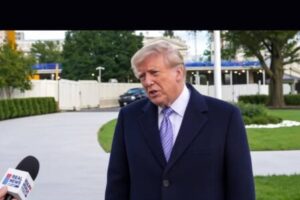



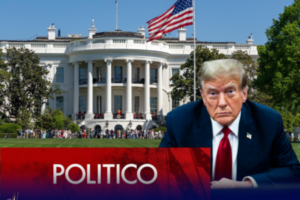












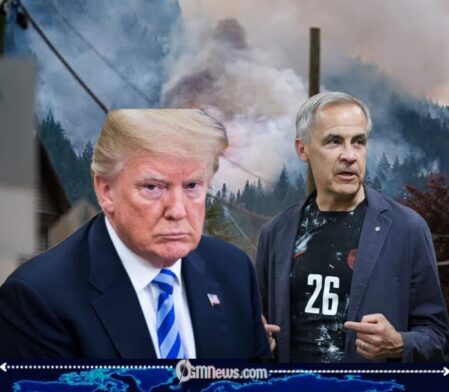
The thick blanket of wildfire smoke drifting from Canada into parts of the United States has ignited not only air quality concerns but also another diplomatic showdown. President Donald J. Trump says he has asked Canadian Prime Minister Mark Carney to “pay some damages” over the smoke that has spread across several American cities, arguing that the United States should not continue bearing the environmental and economic costs. While officials in both countries continue coordinating emergency responses to the fires, Trump’s latest remarks have added a fresh political twist to an already serious natural disaster.
When Smoke Crosses the Border, Politics Packs a Suitcase
In classic political fashion, the wildfire smoke appears to have acquired a passport and become the latest subject of international negotiations. Trump insisted that Canada must do more to prevent smoke from drifting south, jokingly turning what many expected to be a discussion about weather into what sounded like a cross-border insurance claim. The satirical reality is that Mother Nature has now become the newest participant in trade talks.
The smoke has affected air quality across several U.S. states, prompting health alerts and raising concerns among medical experts about PM2.5 pollution. Authorities have warned residents to limit outdoor activities while firefighters continue battling thousands of hectares of burning forests. Scientists maintain that lightning strikes, dry vegetation, and climate conditions have fueled many of the fires rather than any deliberate human action.
Trump vs Carney:Tariffs, Trees and a Diplomatic Weather Forecast
Trump suggested that if Canada cannot stop the wildfire smoke, financial compensation—or even additional tariffs—could become part of the conversation. The remark quickly fueled political debate, with some supporters backing stronger measures while others emphasized the long-standing cooperation between both countries in responding to wildfires and other cross-border emergencies.
Meanwhile, Canadian officials have argued that climate change is a shared challenge requiring collective action rather than political finger-pointing. Emergency agencies on both sides of the border continue exchanging information, deploying firefighting resources, and issuing public health guidance as smoke conditions remain unpredictable. In the satirical theatre of international politics, the wildfire has become the unexpected diplomat nobody invited, yet everyone is forced to negotiate with.
As investigations into the wildfire situation continue and emergency crews work to contain the blazes, the political debate surrounding responsibility and environmental cooperation is unlikely to disappear anytime soon. OGM News will continue monitoring developments as the story unfolds, including any future discussions between Washington and Ottawa over wildfire response, air quality, and cross-border relations.


Players know how important it is to find a platform that respects your time and...