
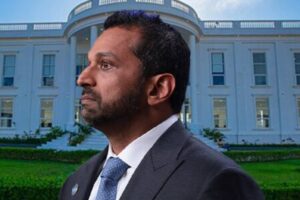






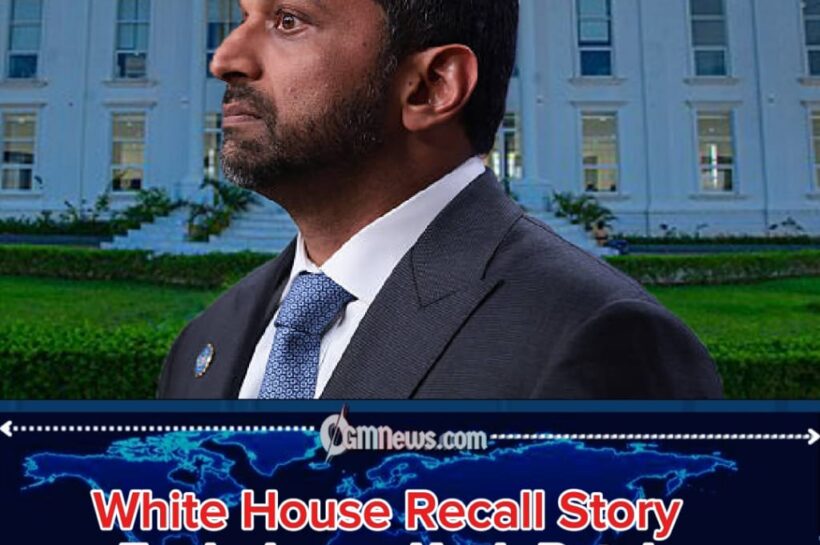








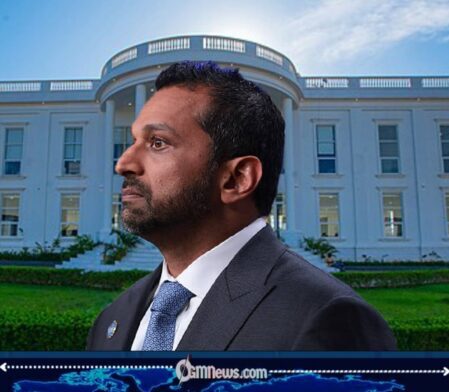
FBI Director Kash Patel forcefully rejected a report claiming he abandoned a planned visit to Chicago because he had been urgently summoned to the White House over alleged dissatisfaction with his performance. Patel described the story as “all false,” insisting that the report was built on fiction rather than fact. In today’s fast-moving political environment, where anonymous sources often compete with official statements, the dispute has quickly become another chapter in America’s never-ending battle over truth, perception, and political narratives.
Patel Pushes Back Against the Report
According to Patel, there was no emergency recall, no disciplinary meeting, and no frustrated officials waiting to question his leadership. Instead, he accused the network behind the report of spreading misinformation that unfairly cast doubt on both his schedule and his role as FBI Director. The strong denial has reignited debates about how quickly politically sensitive stories can spread before all the facts are publicly verified.
The disagreement also arrives at a time when the FBI continues to face intense public and political scrutiny. Every appearance, meeting, or travel schedule involving senior officials now attracts widespread speculation, making even routine calendar changes vulnerable to becoming headline material. Critics argue that such an atmosphere rewards dramatic storytelling, while supporters insist aggressive reporting remains essential to public accountability.
Washington’s Rumour Factory Keeps Working Overtime
In a city where whispers often travel faster than official statements, the controversy has inspired endless speculation among political observers. Satirically speaking, some joked that Washington’s rumour factory now operates around the clock with faster delivery than overnight shipping, producing breaking news before the coffee has finished brewing. If rumours earned government contracts, the federal budget might already be balanced.
Behind the humour, however, lies a more serious issue about public trust.
Conflicting accounts from officials and media organizations frequently leave citizens wondering which version reflects reality. Whether further evidence supports either side, the controversy serves as another reminder that political communication is increasingly shaped by competing narratives, rapid social media reactions, and fierce battles over credibility.
Kash Patel Rejects Report Claiming White House Recall
For now, Kash Patel’s firm denial stands against claims that he was recalled to the White House because of dissatisfaction within the Trump administration. Whether additional information emerges or the dispute fades into Washington’s crowded news cycle, the episode highlights how quickly political narratives can dominate national conversation. OGM News will continue monitoring developments and provide readers with updates as new verified information becomes available.


[…] […]