

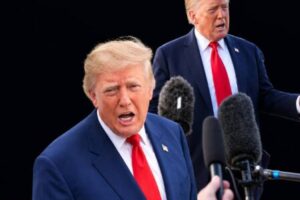

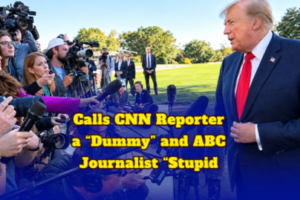


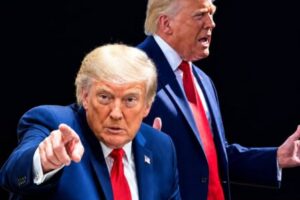

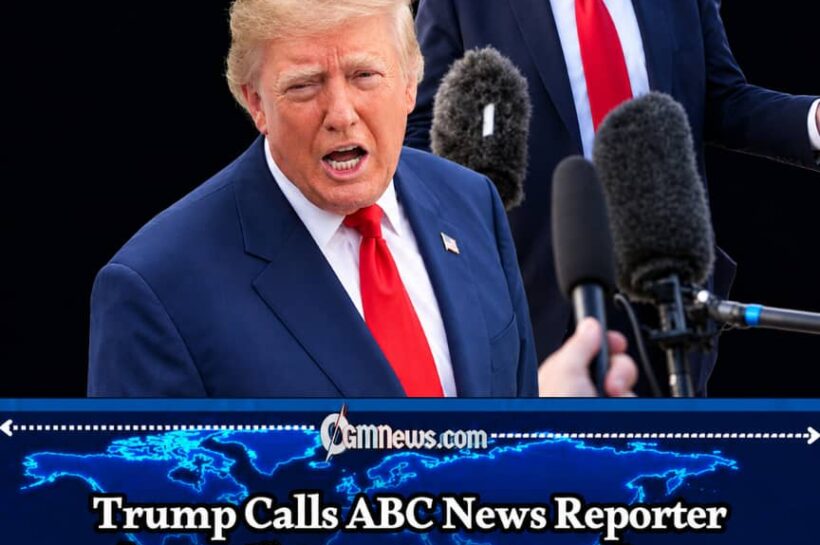




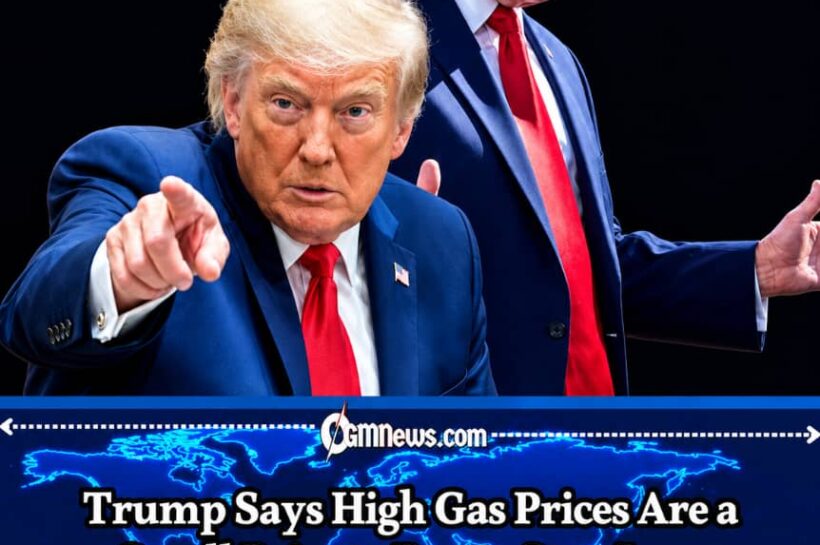




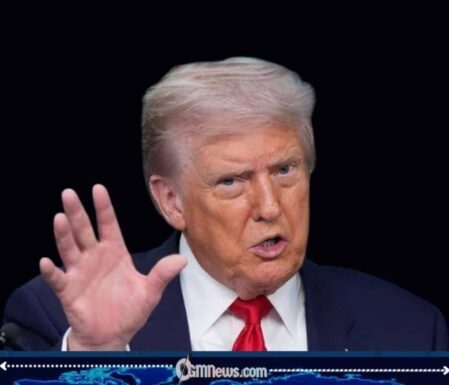
President Donald J. Trump has once again become the center of a heated political battle after Senate Democrats introduced legislation that would prohibit any U.S. president from pardoning himself in cases involving alleged federal crimes, including corruption. The proposal arrives as debates over presidential power and accountability continue to dominate Washington, with supporters describing the bill as a safeguard for the Constitution while opponents argue it is another politically charged move aimed squarely at Trump. Although the measure faces a difficult path through Congress, it has already reignited one of the nation’s most controversial constitutional debates.
Trump Draws New Congressional Scrutiny
Trump quickly became the focus of national discussion as lawmakers defended the proposed legislation as an effort to clarify the limits of presidential authority. Supporters insist that no president should possess the power to erase potential criminal liability through a self-issued pardon, arguing that public confidence in the justice system depends on equal accountability under the law.
The satirical side of Washington, however, wasted no time joining the conversation. Political observers joked that Congress appeared determined to install a giant “No Self-Service Pardons” sign at the entrance to the Oval Office, while constitutional lawyers suddenly found themselves becoming the busiest people in the capital. In the world of political satire, even the dictionaries seemed exhausted from defining the word “pardon” for the hundredth time.
Trump Remains at the Center of Constitutional Debate
Trump’s name continues to dominate discussions because the U.S. Constitution does not explicitly answer whether a president may legally pardon himself. For decades, constitutional scholars have disagreed on the question, and previous legal opinions from the U.S. Department of Justice have suggested that such a self-pardon would face serious constitutional challenges if ever attempted. Should such a case arise, the issue would almost certainly be decided by the courts rather than by politicians alone.
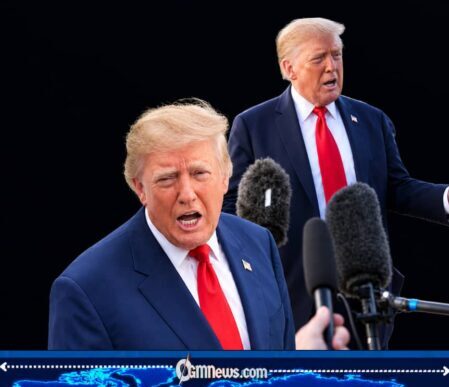
Meanwhile, social media transformed Trump’s latest political controversy into another round of internet comedy. Memes imagined judges carrying magnifying glasses large enough to inspect every clause of the Constitution, lawmakers racing through Capitol Hill with stacks of legal textbooks, and Trump watching the debate unfold as Washington competed in what critics jokingly called the “Presidential Rulebook Olympics.” Behind the humor, however, the debate reflects genuine questions about executive power, constitutional limits, and the balance between political authority and legal accountability.
As the legislation begins its journey through Congress, its ultimate fate remains uncertain, and introducing a bill does not make it law. Likewise, the proposal does not establish criminal guilt or determine any legal outcome for President Donald J. Trump. OGM News will continue monitoring developments as lawmakers, legal experts, and the courts shape what could become another significant chapter in America’s ongoing debate over presidential powers and constitutional accountability.

Logging in is a breeze and the site stability is amazing even during peak hours....