




















Pentagon Lawyer is once again dominating discussions in Washington after the senior legal adviser to the Chairman of the Joint Chiefs of Staff announced an early retirement, officially citing “personal reasons.” Although the explanation appears straightforward, the timing of the decision has inevitably attracted public attention because it comes during a period of notable leadership turnover within the Department of Defense under current President Donald J. Trump. While there is no public evidence suggesting misconduct or official disagreement behind the retirement, the departure has prompted renewed debate over whether the Pentagon is simply experiencing routine personnel transitions or navigating a broader period of institutional change.
Pentagon’s Top Lawyer Walks Away as Questions Swirl Around Military Leadership Shake-Up
Brig. Gen. Eric Widmar, the top legal adviser to the Chairman of the Joint Chiefs of Staff, confirmed that he will retire before completing his expected assignment after more than twenty-eight years of military service. Widmar informed colleagues that his decision was based on personal and family considerations, bringing to a close a distinguished legal career that included advising senior military commanders on some of the nation’s most sensitive operational and national security matters.
The Pentagon Lawyer occupies one of the military’s most influential legal positions. The office provides guidance on domestic and international law governing military operations, the law of armed conflict, constitutional questions, and the legal implications of decisions made by America’s highest-ranking uniformed officers. Because of the importance of the role, an unexpected departure naturally attracts close attention from lawmakers, military analysts, and policy experts. Although officials have emphasized that the retirement is voluntary and unrelated to any investigation or disciplinary matter, observers have noted that the announcement arrives during a period when several senior defense officials have either retired, been replaced, or reassigned.
Pentagon Leadership Revolving Door Spins Again as Senior Legal Adviser Resigns
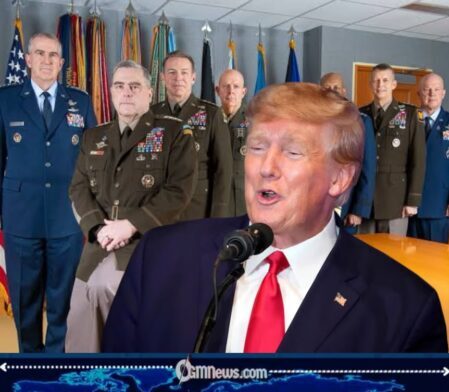
Recent months have brought a series of leadership changes across the Pentagon as President Donald J. Trump continues shaping the senior ranks of the U.S. military. Such changes are not uncommon when administrations pursue new defense priorities or reorganize leadership teams. However, the frequency of high-profile departures has encouraged increased public scrutiny, particularly when announcements are made unexpectedly or before officials complete their anticipated terms.
The retirement of the Pentagon Lawyer also highlights how critical legal advisers are to modern military operations. Beyond interpreting military law, senior legal officers help commanders navigate complex issues involving international humanitarian law, rules governing the use of force, congressional authorities, and the legal framework surrounding overseas operations. Their advice often shapes decisions long before military actions become public knowledge. For that reason, changes in these positions are watched closely, even when they stem from personal decisions rather than policy disputes. In Washington, where speculation often arrives faster than official explanations, the absence of evidence should not be replaced by assumption—a reminder that timing alone does not establish motive.
As the Pentagon prepares to appoint a successor, attention is likely to remain focused on how the transition unfolds and whether it signals broader organizational changes within the Department of Defense. OGM News will continue monitoring developments surrounding the Pentagon Lawyer position, including any official appointments, policy implications, and further clarification that may emerge in the weeks ahead. Until then, the retirement stands as both the conclusion of a lengthy military career and another reminder that even routine personnel decisions can become major national headlines when they occur at the highest levels of government.

[…] […]