

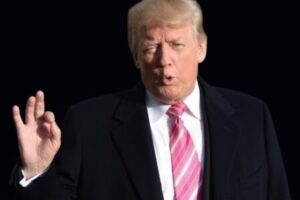

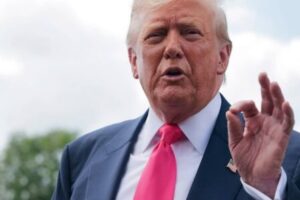


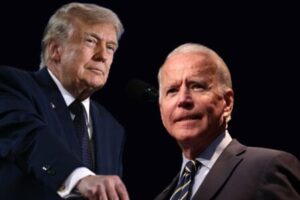














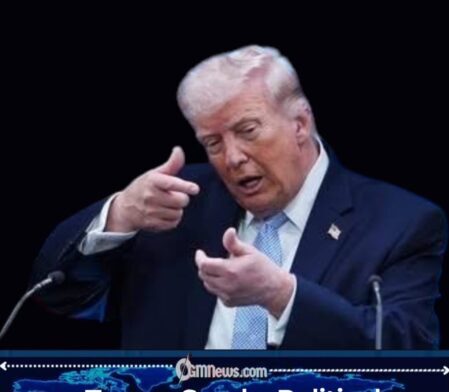
Trump is once again at the center of a political storm after the current president denied federal disaster aid requests valued at an estimated $227 million for four Democratic-led states, only two days after approving disaster assistance for six Republican-led states. The contrasting decisions have sparked intense debate across the United States, with critics questioning whether politics has overshadowed emergency response, while the White House insists every request was evaluated according to federal law. The sequence has renewed scrutiny of how presidential disaster declarations are made and whether public confidence in the process is being tested.
Four Democratic States Left Empty-Handed as Trump Approves Relief Elsewhere
Trump’s latest disaster aid decisions have become one of the most closely watched actions of his administration in recent weeks. According to information obtained by OGM News, the administration declined requests for approximately $227 million in federal disaster assistance from four Democratic-led states despite damage caused by severe weather events. Just forty-eight hours earlier, however, six Republican-led states received approval for similar forms of federal disaster support, creating a striking contrast that immediately attracted nationwide attention.
The White House has rejected claims that political considerations influenced the outcome, maintaining that every disaster request undergoes a thorough review before reaching the president’s desk. Officials argue that federal law requires states to demonstrate that the extent of destruction exceeds their own recovery capacity before federal assistance is granted. Nevertheless, governors and political observers contend that the timing of the approvals and denials has created an appearance of unequal treatment, with many insisting that communities recovering from disasters should never become part of a partisan debate. Even Mother Nature, some commentators joked, appears to have been unwillingly drafted into America’s political contest.
Politics Before People? Disaster Aid Denials Trigger Nationwide Questions
Trump’s decisions have also revived broader discussions about the structure of the federal disaster declaration process and the growing number of weather-related emergencies affecting states across the country. Under existing procedures, governors submit formal disaster requests supported by damage assessments, which are reviewed by emergency management officials before recommendations are forwarded to the president. Although technical evaluations guide the process, the president ultimately holds the authority to approve or deny major disaster declarations, ensuring that every controversial decision receives significant political attention.
Emergency management specialists have repeatedly argued that transparency is essential to maintaining public trust in federal disaster relief. Supporters of the administration believe the president is simply enforcing established legal standards instead of approving every request automatically. Critics, however, argue that even if the decisions satisfy legal requirements, the contrasting outcomes risk creating the perception that politics influences emergency assistance. That perception, they warn, can become almost as damaging as the disasters themselves, particularly for communities anxiously waiting to rebuild homes, businesses, schools, and critical infrastructure.
As additional disaster requests and possible appeals move through the federal system, Trump is expected to remain under close public and political scrutiny. Whether future approvals reinforce confidence in the administration’s approach or deepen concerns about fairness will likely depend on the consistency and transparency of upcoming decisions. OGM News will continue monitoring developments as this story unfolds.

[…] […]