



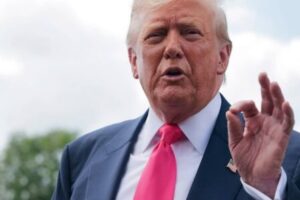








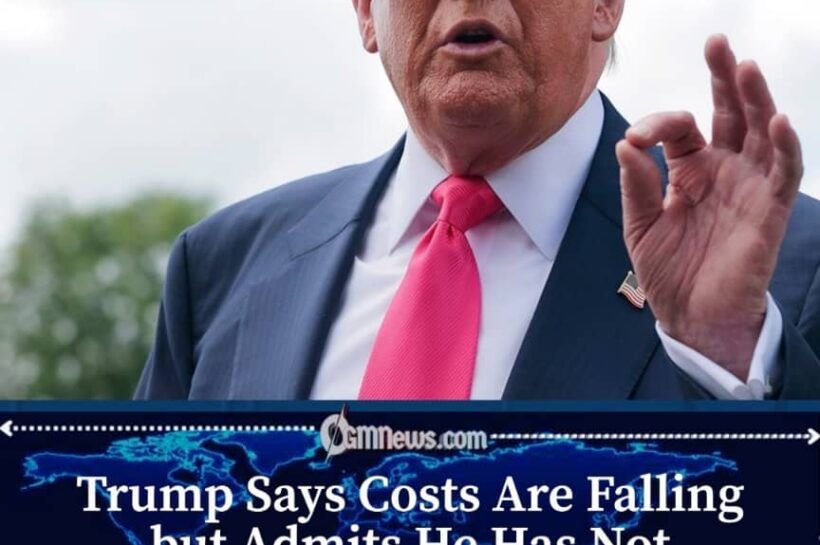












Trump has once again placed America’s ideological divide under a bright political spotlight after warning that socialist policies could turn American cities into “ghettos and slums.” The remarks have reignited fierce debate over housing, economic policy, and the future of urban America, while giving supporters and critics another opportunity to battle over competing visions for the country’s largest cities. In Washington, political microphones appeared to receive overtime pay, proving once again that in politics, even buildings can become campaign speakers.
Trump Warns Socialism Could Turn American Cities Into “Ghettos and Slums”
President Donald J. Trump argued that expanding government control over housing and economic policy could discourage private investment, reduce incentives for development, and gradually weaken American cities. His remarks echoed longstanding conservative criticism of socialist and heavily interventionist economic policies, placing urban development at the center of another national political argument.
Trump maintained that economic prosperity depends largely on entrepreneurship, investment, and competitive markets rather than increasing government control. Supporters described the statement as a warning about the long-term consequences of excessive regulation, while critics argued that urban decline cannot be explained by ideology alone. Somewhere in the middle, America’s potholes quietly waited to discover whether they belonged to capitalism or socialism before agreeing to be repaired.
Trump Sparks New Debate Over the Future of U.S. Cities
Trump’s latest comments have revived broader discussions surrounding housing affordability, infrastructure, public safety, zoning laws, and economic opportunity. Policy experts generally note that thriving cities are shaped by numerous factors, including employment growth, education, investment, local governance, transportation, and responsible urban planning. No single political philosophy alone has consistently determined whether a city succeeds or struggles.
Trump’s remarks also arrive as housing affordability continues to dominate public discussion across several major American cities. Political analysts observe that the word “socialism” has become one of the most emotionally charged terms in modern American politics, frequently carrying different meanings depending on the speaker and audience. While supporters of greater government involvement argue that public intervention can improve affordability and reduce inequality, opponents contend that excessive state control may discourage investment and slow economic growth. Meanwhile, ordinary residents continue hoping that whichever economic theory wins the debate also remembers to fix the roads, reduce housing costs, and shorten the morning commute.
Trump’s warning is likely to remain part of America’s broader political conversation as policymakers, economists, and voters continue debating how best to strengthen urban communities while balancing economic growth, affordability, and public services. OGM News will continue monitoring developments as this discussion evolves and new policy proposals emerge.

[…] […]