












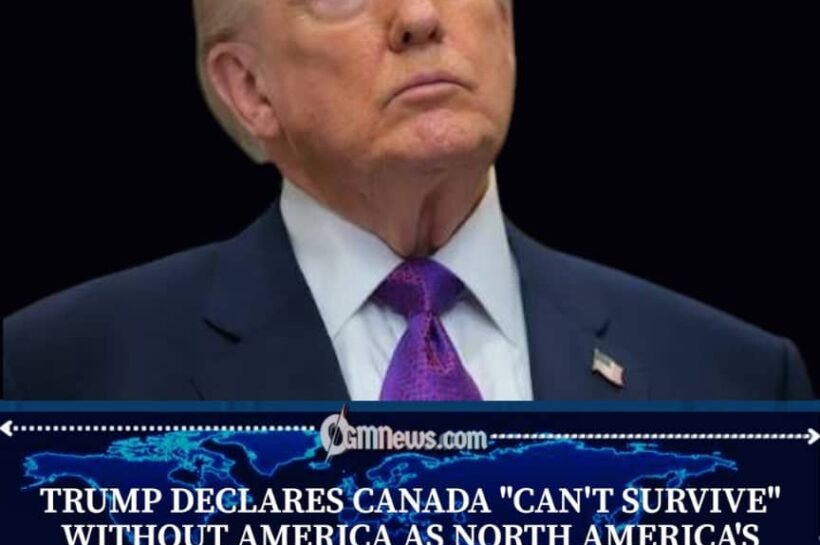




USMCA has entered one of its most defining moments since replacing NAFTA after President Donald J. Trump declined to automatically extend the trade agreement during its mandatory six-year review. Rather than ending the pact, the decision launches a decade-long review process that could fundamentally reshape trade relations among the United States, Canada and Mexico. While the agreement remains in force, Washington’s move has sparked fresh debate over whether it is a bold strategy to restore American manufacturing or a gamble that could unsettle one of the world’s largest trading partnerships.
Why the Trump Administration Wants to Rewrite the USMCA
The Trump administration maintains that refusing an automatic extension is a negotiating strategy rather than a withdrawal from the agreement. Officials argue that the USMCA has not fully achieved its original objectives of reducing America’s trade deficit, bringing manufacturing jobs back to the United States and preventing companies from shifting production abroad. By declining to extend the agreement now, Washington believes it gains stronger leverage to negotiate changes that better reflect its economic priorities.
Among the proposals expected to dominate negotiations are stricter automotive rules requiring more North American—and potentially more American-made—content, tougher measures to prevent Chinese goods from entering the region through neighbouring countries, expanded access for U.S. agricultural exports and broader reforms designed to encourage domestic manufacturing. In a twist that has attracted political attention, the very trade agreement championed during President Trump’s first term is now being subjected to a demanding review by his current administration, proving that even landmark deals are not immune from a second inspection.
What the Decision Means for Canada, Mexico and Businesses
Despite widespread speculation, the USMCA is not ending. Under the agreement’s review mechanism, the trade pact remains fully operational while the United States, Canada and Mexico begin annual consultations that could continue until 2036 unless all three governments agree to extend or revise the deal sooner. Mexican officials have indicated they are prepared to negotiate but have cautioned that overly restrictive changes, particularly in the automotive sector, could reduce North America’s global competitiveness. Canada has likewise expressed support for preserving a stable trilateral agreement while preparing for difficult discussions over outstanding trade disputes.
Business leaders and economists are closely monitoring developments because the agreement governs nearly two trillion dollars in annual trade across North America. Modern supply chains depend on components crossing borders several times before finished products reach consumers, meaning prolonged uncertainty could affect investment decisions, production costs and consumer prices. Supporters believe stronger rules could help revive American manufacturing and strengthen domestic industries, while critics warn that uncertainty itself may discourage the very investments needed to grow the regional economy. The outcome of these negotiations will likely shape North American trade for years to come.
As annual reviews begin, the USMCA will remain at the centre of economic and political discussions across the continent. Whether the negotiations produce a stronger agreement or deeper divisions among the three trading partners will become clearer in the years ahead. OGM News will continue to follow every major development as this pivotal chapter in North American trade unfolds.

https://shorturl.fm/p0qCz