


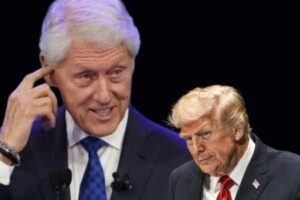








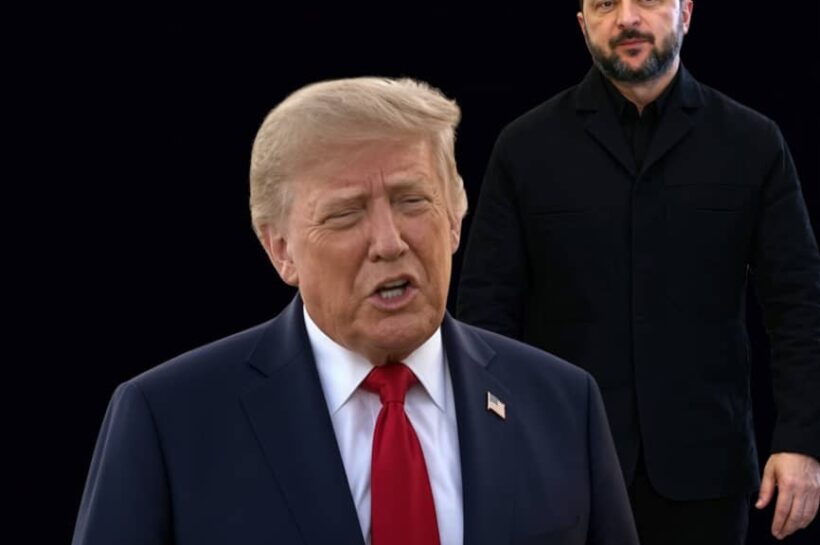

















Progressive Surge has become the latest flashpoint in America’s political debate after President Donald Trump sharply criticized Democrats following a wave of victories by left-leaning candidates in Tuesday’s primary elections. Trump argued that the Democratic Party is promoting individuals he described as “communists,” warning that the United States would never become a communist country. His remarks immediately intensified national attention on an ideological struggle that has been developing inside the Democratic Party for years.
The controversy arrives at a moment when several progressive candidates backed by democratic socialist and reform-oriented movements are celebrating significant electoral gains. While supporters view the victories as proof that voters want bold policy changes, critics argue that the party risks alienating moderate and independent voters ahead of crucial national contests.
Progressive Surge and Trump’s Political Counterattack
Trump’s comments followed notable primary victories by candidates associated with the Democratic Party’s progressive wing. Several successful candidates received support from influential progressive figures and organizations, helping them defeat establishment-backed rivals in races that many political observers had expected to remain competitive.
By describing the candidates as “communists,” Trump employed language that has long been used in American politics to criticize left-wing policies and movements. However, the candidates involved generally identify as progressives, democratic socialists, or reform-oriented Democrats rather than communists. The distinction remains central to the political argument now unfolding across the country. Critics of Trump’s characterization say it oversimplifies ideological differences, while supporters argue that some of the policy proposals closely resemble socialist principles.
Democrats and the Battle for the Party’s Future
The broader significance of the Progressive Surge extends beyond a single election night. Political analysts have increasingly described the Democratic Party as being engaged in a contest between its progressive and moderate factions. Recent primaries have served as testing grounds for competing visions of how the party should position itself ahead of future national elections.
Recent victories by progressive candidates have strengthened arguments from activists who believe voters want more ambitious approaches to housing, healthcare, economic inequality, immigration, and labor issues. At the same time, moderate Democrats have expressed concern that highly ideological candidates could provide Republicans with effective campaign targets in swing districts and battleground states. These tensions have become increasingly visible as the party seeks a strategy capable of appealing to both its activist base and the broader electorate.
The latest primary results do not settle the debate over the Democratic Party’s future, but they do suggest that progressive candidates continue to gain influence within key sections of the party. Trump’s response ensures that the issue will remain a major talking point as Republicans attempt to frame Democrats as moving further left, while progressives argue they are responding directly to voter demands. OGM News will continue monitoring how this Progressive Surge influences campaign strategies, party unity, and the broader political landscape heading into the next major elections.


Mexican players will love how well this platform handles local payment methods. Deposits via OXXO...