











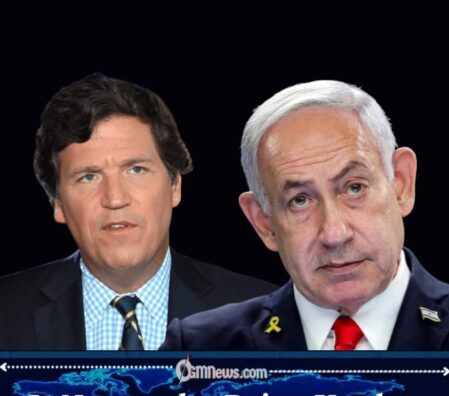
Radical Coalition has emerged as a central theme in a growing political controversy after commentator Tucker Carlson argued that Benjamin Netanyahu is not the most hardline figure in Israel’s government. The remarks have generated intense reactions because they challenge a common narrative that places the Israeli prime minister at the center of criticism surrounding the country’s wartime policies. Instead, Carlson contends that some members of Israel’s governing coalition hold even more uncompromising views, raising questions about where political influence truly resides.
Radical Coalition Dynamics Under the Spotlight
The Radical Coalition debate intensified after Carlson suggested that criticism directed solely at Netanyahu overlooks broader political realities inside Israel’s government. He argued that some coalition figures have employed rhetoric that has drawn international criticism and concern, while portraying Netanyahu as comparatively moderate within that political environment.
Carlson’s comments were particularly controversial because he characterized certain statements from coalition members as evidence of a wider ideological shift within Israeli politics. While supporters of his argument say it encourages a more comprehensive examination of Israel’s leadership structure, critics contend that his descriptions are subjective interpretations of highly contentious political statements. As a result, the debate has become as much about political language as it is about policy.
Netanyahu, War Politics, and International Scrutiny
The controversy arrives during a period of heightened global attention on Israel’s military campaign and the political debates surrounding it. Netanyahu continues to lead a coalition government that includes parties and politicians representing a wide range of ideological positions, from centrist conservatives to more nationalist and religious factions. Analysts have long noted that coalition politics can significantly influence policy priorities and public messaging.
The broader context is equally significant. International organizations, foreign governments, and human rights advocates have continued to scrutinize statements made by various political figures involved in the conflict. While interpretations of those statements differ sharply depending on political perspective, the discussion has increasingly focused on the role of coalition partners in shaping decision-making. Carlson’s remarks have therefore amplified an existing debate rather than creating an entirely new one, bringing renewed attention to questions of accountability, leadership influence, and the future direction of Israeli politics.
The Radical Coalition controversy demonstrates how political narratives can shift when attention moves from a single leader to the wider network of officials surrounding him. Whether Carlson’s assessment ultimately reshapes public understanding remains uncertain, but it has succeeded in reigniting discussion about the balance of power inside Israel’s government. OGM News will continue monitoring developments as debates over coalition influence, wartime policy, and political accountability evolve in the months ahead.
Installed the 68winapp on my phone and gotta say, it's pretty smooth. Quick access to...