


























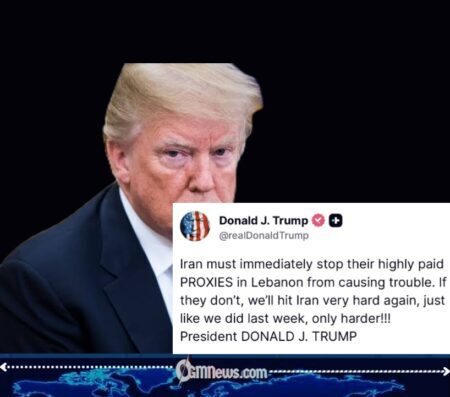
Hormuz has once again become the word on everyone’s lips as a fragile agreement between Trump and Iran faces an unexpected early test. Just days after both countries signed an interim arrangement aimed at ending months of conflict and reopening one of the world’s most important shipping routes, President Donald Trump warned that America could strike Iran again if Tehran fails to rein in Hezbollah’s activities in Lebanon. The remarks, delivered while top officials met in Switzerland, have raised fears that the diplomatic breakthrough could quickly descend into another regional crisis.
Peace in One Hand, Airstrikes in the Other: Trump’s Iran Gamble Deepens
The agreement between Washington and Tehran was designed as a temporary framework, giving both countries sixty days to negotiate the future of Iran’s nuclear programme and ensure the uninterrupted flow of shipping through the Strait of Hormuz. The deal also contained provisions aimed at reducing tensions in Lebanon, where clashes involving the Iranian-backed Hezbollah movement continue to threaten regional stability.
Hormuz emerged as the immediate pressure point after Iran announced a renewed closure of the strategic waterway and linked further progress in negotiations to developments in Lebanon. President Trump responded with unusually sharp rhetoric, warning that Iran would face severe consequences if it allowed its regional allies to continue attacks against Israel. He also publicly rebuked Iranian President Masoud Pezeshkian, telling him to “watch his mouth” after Tehran insisted it would never abandon uranium enrichment.
Iran Nuclear Dispute Returns to Center Stage Despite Trump Temporary Peace Deal
Recent international reports suggest that the agreement reached last week was always expected to face enormous obstacles. The temporary framework reportedly includes sanctions relief, the release of frozen Iranian assets and a pathway for inspections of Tehran’s nuclear facilities. However, critics in Washington argue that the arrangement risks giving Iran economic breathing room without permanently resolving concerns over its nuclear ambitions.
Hormuz also carries enormous economic importance because nearly a fifth of global oil trade passes through the narrow waterway. Any prolonged disruption could quickly affect energy markets and increase pressure on governments already struggling with inflation and geopolitical uncertainty. Public opinion in the United States appears divided as well, with surveys indicating that many Americans remain sceptical that Iran’s nuclear programme has been permanently constrained or that the agreement can deliver lasting peace.
The latest developments reveal the uncomfortable reality of modern diplomacy: peace agreements can be signed in conference rooms but often succeed or fail on distant battlefields. For now, negotiators in Switzerland continue their efforts while military threats and political distrust cast long shadows over the process. OGM News will continue to monitor whether Hormuz becomes a symbol of renewed cooperation or the spark for yet another dangerous chapter in Middle Eastern tensions.

[…] […]