
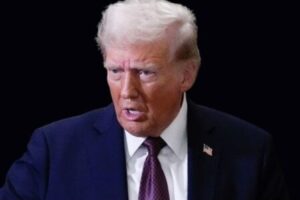



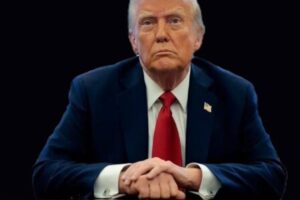

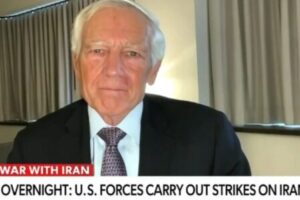
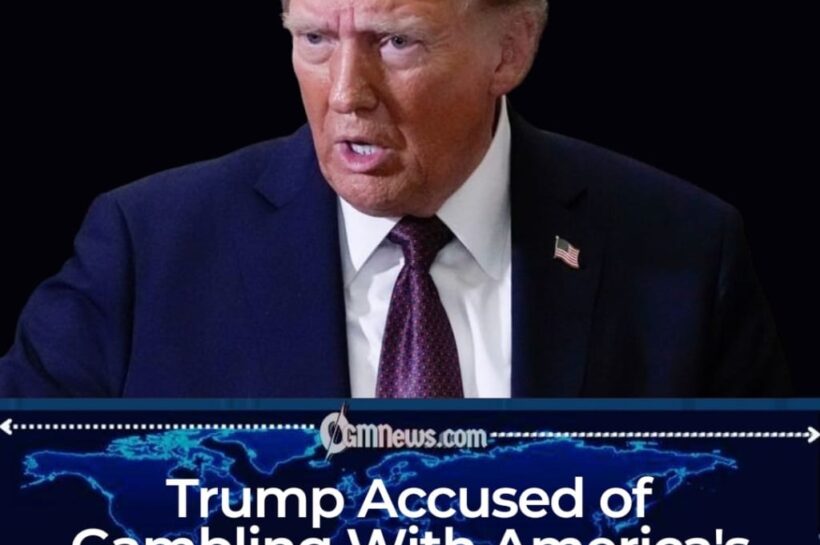

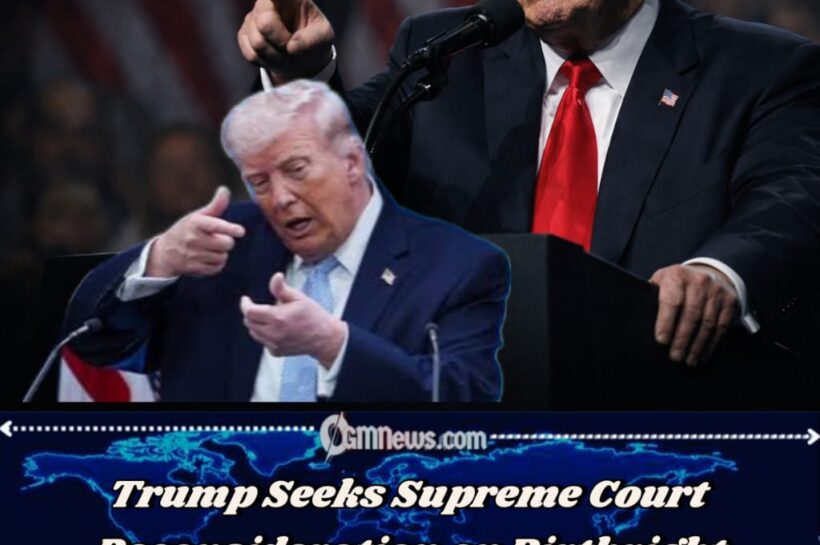
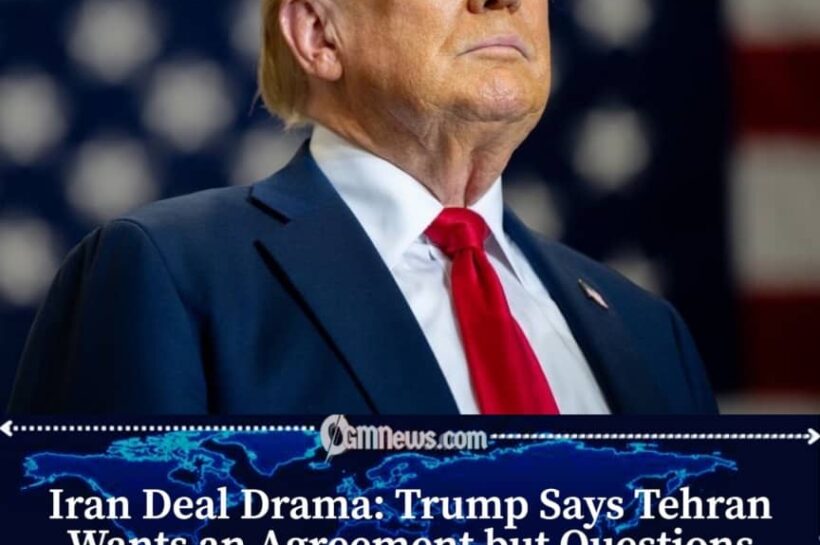



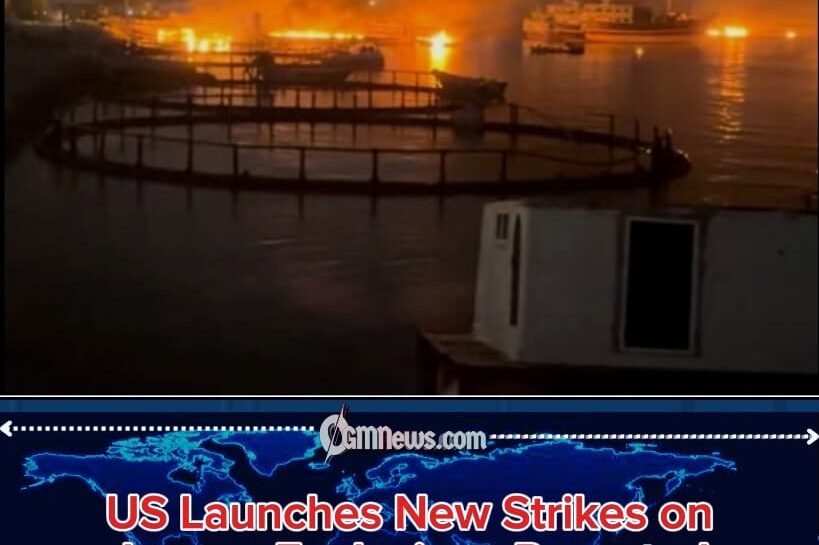
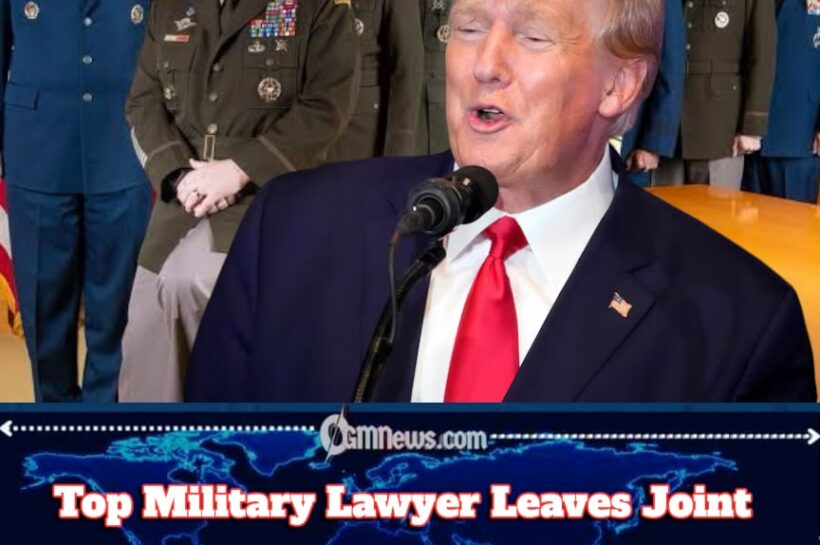





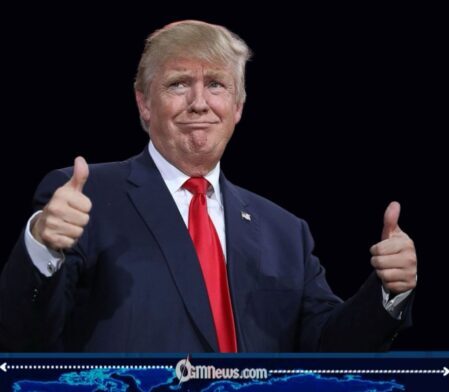
Trump says “Told you so” after his administration pointed to signs that tensions between the United States and Iran are easing, with oil prices falling and commercial shipping through the Strait of Hormuz appearing to return to normal. The developments have strengthened the White House’s argument that its combination of diplomatic engagement, economic pressure and military deterrence encouraged Tehran to move toward negotiations. While supporters are celebrating what they see as an early foreign policy success, analysts caution that the true test will be whether both sides uphold their commitments in the weeks and months ahead.
Trump Celebrates Early Signs of Diplomatic Progress
President Donald J. Trump’s remarks followed reports that Iran has stopped targeting commercial vessels in the Strait of Hormuz, one of the world’s most strategically important maritime routes. The White House argues that the reduction in tensions reflects the effectiveness of its approach, insisting that sustained pressure helped create conditions for renewed dialogue rather than prolonged confrontation. Trump’s brief but pointed response—“Told you so”—quickly became the defining political message surrounding the latest developments.
The apparent improvement in regional stability also coincided with a decline in global oil prices after recent spikes driven by fears of supply disruptions. Investors interpreted the calmer security situation as a sign that one of the world’s busiest energy corridors could remain open without major interruptions. Although markets reacted positively, administration officials acknowledged that continued progress will depend on full implementation of the reported understanding between Washington and Tehran.
Why the Iran Deal Still Faces Important Tests
Despite the optimism surrounding the latest developments, foreign policy experts warn that diplomatic agreements involving Iran have historically required careful monitoring and long-term verification. While supporters view the current understanding as evidence that pressure and negotiation can complement one another, critics argue that declaring victory too early could overlook unresolved issues, including compliance, verification mechanisms and future regional security concerns.
The Strait of Hormuz remains central to global energy security because a substantial share of internationally traded crude oil passes through the narrow waterway each day. Any renewed disruption could quickly reverse the recent decline in oil prices and reignite economic uncertainty worldwide. For that reason, governments, energy markets and international observers are expected to closely monitor every stage of the agreement, recognising that lasting stability will depend not on political declarations but on consistent actions by all parties.
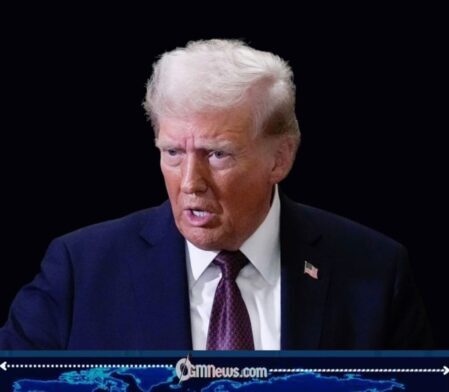
Trump’s declaration of “Told you so” has become the headline, but the broader story extends far beyond a single remark. The reported reduction in maritime tensions, easing oil prices and renewed diplomatic engagement have created cautious optimism across international markets. Whether the Iran deal ultimately delivers lasting regional stability or proves to be only a temporary pause will become clearer as implementation continues. OGM News will continue following the story as further developments emerge.
подъем домов новокузнецк