



























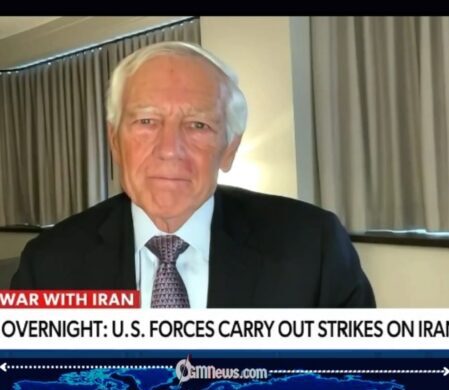
Retired U.S. Army General Wesley Clark has ignited a fresh geopolitical debate after suggesting that keeping Iran’s Kharg Island within military reach could provide greater strategic value than immediately destroying its facilities. The former NATO Supreme Allied Commander’s remarks have revived questions about whether modern conflicts are increasingly being fought through calculated pressure, economic leverage and psychological warfare rather than only through direct military action.
Clark’s argument has placed Kharg Island at the centre of international attention, with analysts examining the balance between military advantage, diplomatic pressure and the possible consequences of threatening one of Iran’s most important oil export hubs. The discussion comes amid continuing tensions between the United States and Iran over regional security, energy routes and military influence in the Middle East.
Retired U.S. Army General Wesley Clark’s Strategic Calculation
Retired U.S. Army General Wesley Clark, while discussing possible approaches toward Iran, argued that Kharg Island could be more valuable as a strategic threat than as a destroyed target. According to the material provided to OGM News Nigeria by its trusted source, Clark stated that keeping the island within “gun sights” could force Iran to consider the consequences of further escalation.
The military strategist’s comments suggest a concept often described as a pressure strategy — where the ability to act against a valuable asset creates leverage during negotiations. Instead of removing an opponent’s capability completely, the strategy focuses on maintaining influence by demonstrating that a powerful response remains available.
However, the idea has also attracted criticism from those who argue that turning critical infrastructure into a bargaining tool could create unpredictable consequences. Critics warn that threatening energy facilities may increase tensions, affect global markets and make diplomatic solutions more difficult to achieve.
The debate surrounding Clark’s comments highlights a major question in modern warfare: whether restraint combined with strategic threats can achieve political goals more effectively than immediate military action. Supporters view the approach as calculated deterrence, while opponents see it as a risky gamble.
Kharg Island’s Oil Power and the Bigger Geopolitical Picture
Kharg Island is one of Iran’s most important economic assets, serving as a major terminal for crude oil exports. Its location in the Persian Gulf makes it strategically significant because any disruption involving the island could have consequences beyond Iran, potentially affecting energy markets and international trade.
The importance of Kharg Island explains why military leaders and policymakers have repeatedly considered its role during periods of U.S.–Iran tension. The island represents more than a geographical location; it is a symbol of Iran’s economic strength and a potential pressure point in any confrontation involving Tehran.
The comments by Retired U.S. Army General Wesley Clark
Clark also come during a period when President Donald J. Trump’s administration has continued using a combination of diplomatic pressure, economic measures and military warnings in dealing with international security challenges. The approach has generated both support and criticism among global observers who disagree over the effectiveness of maximum pressure policies.
While supporters argue that maintaining military options can prevent hostile actions by adversaries, critics believe excessive pressure could encourage further confrontation. The situation around Kharg Island demonstrates the complicated relationship between military strategy, diplomacy and economic stability.
The phrase “hostage strategy” used in discussions about Clark’s comments has become controversial because it raises ethical questions about using valuable national assets as leverage. Military planners often consider strategic targets carefully because destroying them may remove an opponent’s capability but also eliminate future bargaining power.
Retired U.S. Army General Wesley Clark’s remarks have therefore opened a wider conversation about the future of conflict management. In an era where oil supplies, technology and economic networks influence global politics, the battle for influence is no longer limited to traditional battlefields.
As international attention remains fixed on Iran’s regional activities and energy infrastructure, Kharg Island continues to represent the difficult choices facing global powers — whether to apply pressure, pursue negotiation or risk escalation. OGM News Nigeria will continue monitoring developments surrounding this strategic debate and its possible impact on global security.

Ae888covenuscasino, okay, I'm curious. Gonna check out this site and try to find some amazing...