

























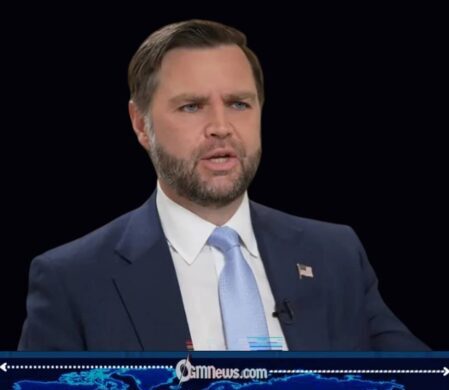
Iran Transformation has emerged as a central theme in the Trump administration’s evolving Middle East strategy after Vice President JD Vance argued that Iran could eventually enjoy normalized relations and economic opportunities if it follows a path similar to that taken by Saudi Arabia. The remarks have drawn attention because they frame Washington’s position not around regime change, but around behavioral change a distinction that could significantly shape future diplomacy.
Vance pointed to Saudi Arabia’s evolution over recent decades, arguing that the kingdom improved its standing with the United States by reducing associations with extremist movements, pursuing economic modernization, and strengthening strategic cooperation. His message suggested that Washington is willing to reward verifiable reforms, but only after concrete evidence of change. Recent comments from Vance have repeatedly emphasized that any benefits for Iran would depend on abandoning nuclear weapons ambitions, ending support for militant proxy groups, and accepting strict verification measures.
Change or Stay Isolated: Vance Gives Iran a Saudi-Style Ultimatum
According to the vice president, the Saudi example demonstrates that geopolitical relationships are not fixed permanently. Countries that alter their conduct can reposition themselves internationally and gain access to stronger economic and diplomatic partnerships. The administration’s argument is that Iran’s future remains largely dependent on decisions made in Tehran rather than in Washington.
The broader message aligns with recent statements from the Trump administration emphasizing that economic incentives, sanctions relief, and reconstruction opportunities would only become available if Iran demonstrates sustained compliance with international commitments. Officials have repeatedly stated that no funds or benefits would automatically follow the signing of agreements and that verification remains the cornerstone of any future arrangement.
From Enemy to Ally? White House Opens Door to Iran Under Strict Conditions
The discussion arrives amid heightened diplomatic activity surrounding ongoing efforts to establish a longer-term framework governing Iran’s nuclear program and regional conduct. Recent negotiations have focused on preventing Iran from obtaining nuclear weapons while creating incentives for broader regional stability. Vance has argued that a successful agreement would benefit both the American and Iranian people if accompanied by genuine reforms and transparent monitoring mechanisms.
Saudi Arabia’s transformation itself forms part of a larger regional story. Over the past decade, the kingdom has pursued ambitious economic diversification plans, expanded foreign investment initiatives, and sought a more prominent role in regional diplomacy. Saudi officials have also publicly supported diplomatic efforts aimed at reducing tensions and achieving broader regional stability, creating a backdrop for comparisons between Riyadh’s trajectory and the future Washington envisions for Tehran.
The challenge, however, lies in whether they are willing or politically able to make the sweeping changes demanded by the United States. Supporters of the administration’s approach see an opportunity to replace decades of hostility with conditional engagement. Critics question whether mutual distrust, regional rivalries, and unresolved security concerns can be overcome through diplomacy alone. For now, There Transformation remains more of a proposal than a reality, but it has clearly become one of the most closely watched ideas shaping the future of U.S.-Iran Relations. Whether it becomes a diplomatic success story or another Middle East what-if will depend on developments that are still unfolding.

Logging in is a breeze and the site stability is amazing even during peak hours....