



























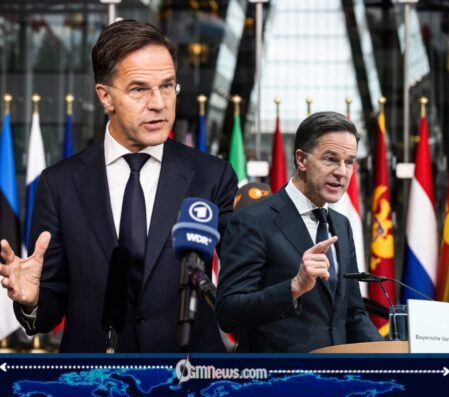
Iran Strikes have once again become the centre of international attention after NATO Secretary General Mark Rutte declared that the latest U.S. military action against Iran was “absolutely necessary,” defending Washington’s response to what he described as violations of an already fragile ceasefire. His remarks came as NATO leaders gathered in Ankara for a summit that was expected to focus on alliance unity but instead found itself overshadowed by renewed tensions in the Middle East.
According to the information provided by trusted sources, the United States launched a new wave of military strikes after three commercial tankers were struck by projectiles in the Strait of Hormuz. Washington also revoked a licence that had allowed Iran to continue selling oil, signalling that economic pressure would accompany military action. Rutte argued that when a ceasefire is allegedly violated, a forceful response becomes necessary to preserve credibility and deter further escalation.
Iran Strikes: Alliance Unity Meets Rising Security Pressure
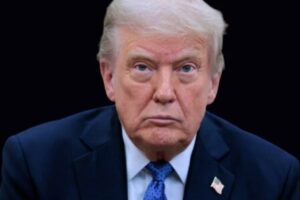
The Iran Strikes also reshaped discussions inside the NATO Summit, where European leaders sought to reassure President Donald J. Trump of the alliance’s value while responding to his repeated calls for greater European defence spending. Rutte insisted that the United States remains fully committed to NATO but added that European nations and Canada are expected to shoulder a larger share of the financial burden, describing that expectation as fair.
The Secretary General further argued that increased defence investment represents a strategic advantage for NATO, saying stronger contributions from European allies ultimately strengthen collective security. His comments also linked the alliance’s growing military investment to broader geopolitical competition, suggesting that greater unity benefits NATO while reducing opportunities for adversaries to exploit divisions.
Regional Risks Beyond Immediate Military Action
While NATO leaders defended the latest Iran Strikes, analysts continue to warn that renewed military exchanges carry significant regional consequences. The Strait of Hormuz remains one of the world’s most important maritime routes for global energy supplies, meaning disruptions can quickly affect shipping, oil prices and international markets. Even limited confrontations in the region have historically produced economic ripple effects far beyond the Middle East.
The broader diplomatic picture also remains uncertain. Although NATO leaders have emphasised alliance unity, the summit has exposed continuing debates over defence spending, burden-sharing and the future direction of transatlantic security. At the same time, concerns persist that repeated military responses could make diplomatic negotiations increasingly difficult, even as officials argue they are intended to preserve deterrence rather than expand conflict.
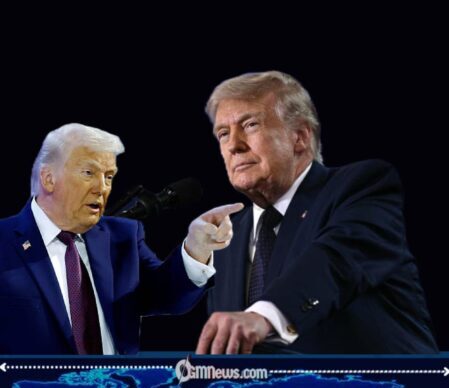
As discussions continue in Ankara, the Iran Strikes are likely to remain a defining issue not only for Middle East security but also for NATO’s political cohesion. OGM News will continue monitoring developments, including any diplomatic efforts aimed at stabilising the ceasefire, further decisions by President Donald J. Trump and responses from regional and international stakeholders.

[…] […]