






















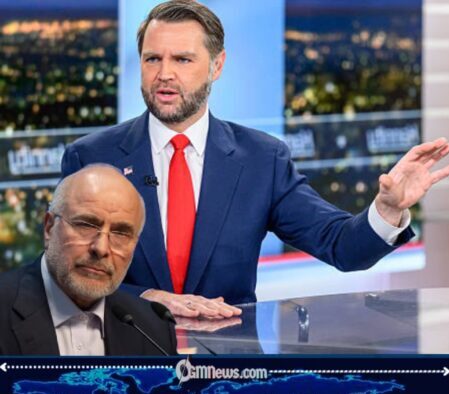
Vice President JD Vance has unexpectedly become the central figure in a growing debate surrounding President Donald Trump’s proposed Iran agreement after publicly acknowledging that important elements of the framework remain unresolved. What was intended to showcase diplomatic progress has instead generated questions about transparency, enforcement, and the readiness of the agreement for a high-profile signing ceremony.
The remarks have intensified scrutiny from critics who argue that agreements involving nuclear issues should contain clear verification mechanisms before public declarations of success.
JD Vance’s Disclosure
JD Vance stated during multiple television appearances that the memorandum of understanding is a broad framework and that several details will be negotiated during a subsequent technical phase. Reports indicate that the document is relatively brief and designed to establish principles rather than provide exhaustive operational details. Those comments have fueled criticism from lawmakers and policy analysts seeking greater clarity about implementation and oversight.
The controversy stems less from the existence of a framework agreement and more from what remains unknown. While administration officials continue to describe the agreement as a diplomatic breakthrough, JD Vance’s acknowledgment that negotiators still need to “figure this stuff out” has become a rallying point for skeptics questioning whether the public announcement arrived before the technical groundwork was completed.
Critics argue that verification and compliance mechanisms are among the most important elements of any arrangement involving Iran’s nuclear activities.
US-IRAN Political Context
The broader diplomatic effort follows months of difficult negotiations between Washington and Tehran. Previous rounds of talks reportedly struggled over issues including uranium enrichment, sanctions relief, regional security concerns, and future verification measures. Analysts note that disagreements over implementation details have repeatedly complicated previous attempts to secure lasting agreements between the two countries.
Recent reporting suggests that the current memorandum is intended to open the door to a second phase of negotiations covering unresolved issues. Administration officials maintain that sanctions relief and other incentives would remain tied to Iranian compliance and verification requirements. However, questions remain regarding how those requirements will be enforced and monitored once negotiations advance beyond the framework stage. Even supporters of the diplomatic initiative acknowledge that the toughest negotiations may still lie ahead.
JD Vance may have intended to reassure the public by emphasizing that negotiations are continuing, but his candid description of the agreement has instead amplified concerns about what remains unfinished. As the signing ceremony approaches, attention is increasingly shifting from the political celebration surrounding the deal to the unanswered questions surrounding its implementation. OGM News Nigeria will continue monitoring developments as negotiators move from broad promises to the difficult task of transforming those promises into enforceable commitments.

[…] […]