


















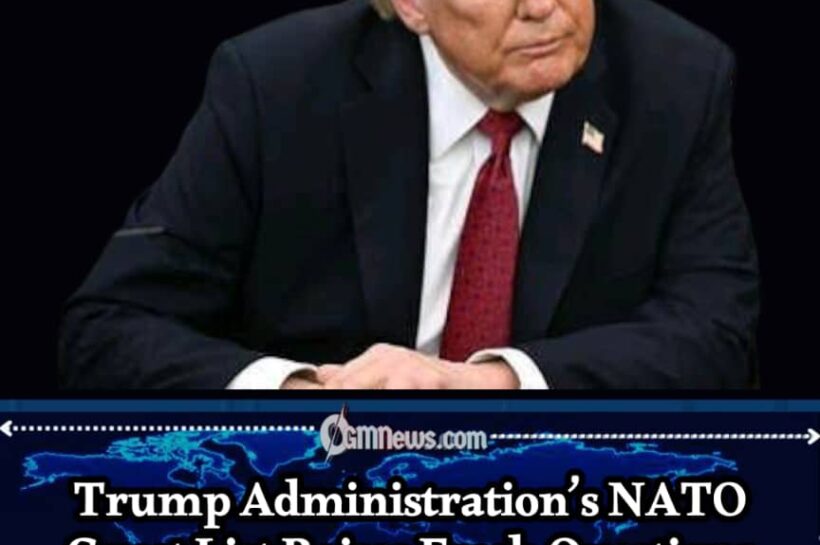





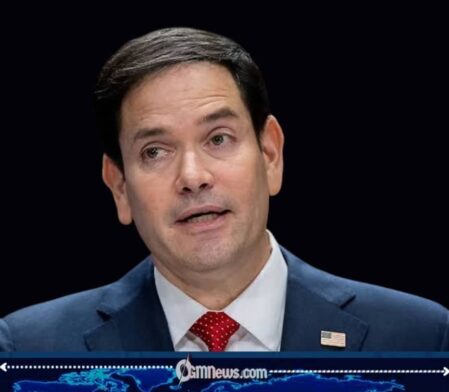
The Iran War debate has entered a new phase as competing interpretations of the conflict continue to shape political discourse. At the center of the controversy is the contrast between President Donald Trump’s earlier pledge to take an uncompromising approach toward Iran and later remarks attributed to Secretary of State Marco Rubio emphasizing the restoration of stability. The apparent shift has fueled arguments from critics who claim the original objectives evolved during the course of the conflict, while supporters insist the strategy ultimately achieved its intended purpose through a combination of military pressure and diplomacy.
Strategists, analysts, and political commentators remain sharply divided over what the conflict’s outcome actually represents. Some portray negotiations as evidence that initial ambitions proved difficult to fully realize, while others argue that diplomacy often follows military success and should not be mistaken for retreat. The result is a growing battle over perception, language, and the definition of victory itself.
Iran War Outcome Remains Contested as Diplomatic Efforts Continue
The Iran War discussion intensified after renewed attention focused on the difference between earlier declarations of forceful action and later statements emphasizing stabilization. Critics argue that such contrasts suggest a recalibration of priorities as realities on the ground emerged. They contend that if restoring pre-war conditions becomes the benchmark, questions naturally arise regarding whether the original expectations were fully met.
Supporters of the administration reject that interpretation. They argue that the conflict significantly degraded Iranian military and defense capabilities, creating conditions that made diplomatic engagement more viable. In their view, negotiations do not indicate failure but rather represent one stage of a broader strategy designed to achieve long-term security objectives without indefinite escalation.
From “Obliterate” to “Stabilize”? Critics Question Shifting Iran War Goals
Negotiations have increasingly become a central element of discussions surrounding the conflict. Recent reporting and expert assessments indicate that diplomatic channels remain active even as disagreements persist over regional security concerns, military capabilities, and long-term stability. Such developments have reinforced arguments from observers who believe that military action alone rarely produces lasting political outcomes.
The broader historical context also helps explain why interpretations differ so dramatically. Throughout modern conflicts, governments frequently adjust public messaging as military, economic, and diplomatic realities evolve. Analysts note that supporters often emphasize strategic gains achieved during a campaign, while critics focus on objectives that appear unmet or modified. The Iran War debate fits squarely within that pattern, with each side highlighting different benchmarks to support its conclusions.
What remains clear is that the Iran War continues to generate more questions than consensus. Whether future developments strengthen claims of strategic success or lend weight to arguments that objectives shifted over time will depend largely on the outcomes of ongoing negotiations and regional stability efforts. OGM News will continue monitoring developments as competing narratives seek to define the lasting legacy of the conflict.

[…] […]