



























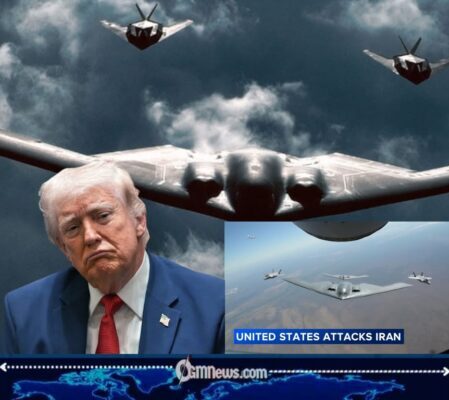
Strait of Hormuz tensions intensified dramatically as the United States launched fresh strikes on Iran for the second consecutive night, further raising concerns that military action is beginning to outpace diplomatic efforts. What Washington describes as a defensive response to Iranian aggression is increasingly being viewed as a critical test of whether the region can avoid a broader confrontation. As missiles fly and statements grow sharper, governments across the world are watching closely to see whether the latest escalation represents a temporary flare-up or the start of a more dangerous phase.
Iran and America Continue Their Unwanted Sequel Nobody Asked For
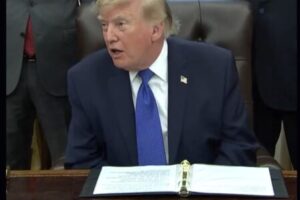
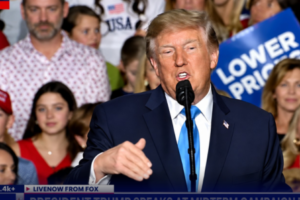
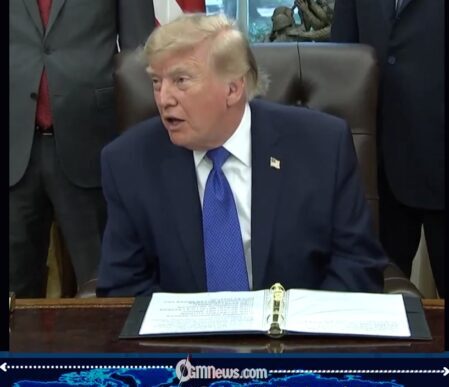
According to U.S. military officials, the latest strikes targeted multiple Iranian facilities following a series of confrontations linked to the downing of a U.S. Apache helicopter and continued tensions around the Strait of Hormuz. President Donald J. Trump defended the operation as a necessary response to what Washington calls unjustified Iranian aggression and warned that additional action could follow if conditions worsen.
Iran has strongly condemned the strikes and has accused the United States of undermining efforts to maintain regional stability. Reports indicate that retaliatory actions and military exchanges have continued across the Gulf region, increasing concerns among neighboring countries. While both sides insist they seek security, the reality on the ground increasingly resembles a contest in which every attempt at deterrence produces another reason for retaliation.
Strait of Hormuz Becomes the World’s Most Expensive Traffic Report
Beyond the immediate military implications, the Strait of Hormuz remains central to global concerns because roughly one-fifth of the world’s oil and gas trade passes through the area. Recent reports of disruptions and threats to shipping have already pushed energy markets higher, reminding governments and consumers alike that regional instability often arrives with a financial price tag.
Diplomatic efforts continue behind the scenes, with mediators attempting to preserve channels of communication between Washington and Tehran. However, analysts note that the combination of military escalation, competing political demands, and strategic mistrust makes a quick resolution increasingly difficult. The situation has also renewed debate about whether repeated military exchanges are helping create leverage for negotiations or simply making future talks harder to achieve.
The coming days may prove decisive. If tensions around the Strait of Hormuz continue to rise, the consequences could extend far beyond the United States and Iran, affecting global energy supplies, international shipping, and broader regional security. For now, the world watches a conflict where every new strike appears to answer one question while creating several more. OGM News will continue monitoring developments as this rapidly evolving story unfolds.

Casinoabc999? Good Site. The interface is sleek, and there is a lot of stuff to...