



























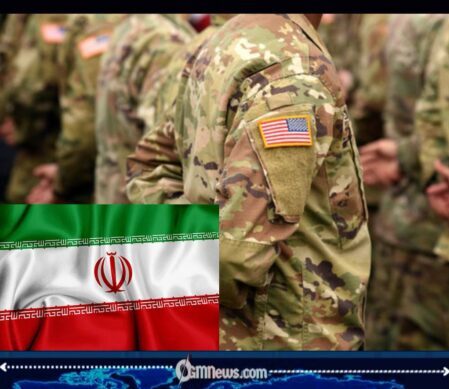
Iran Strikes have once again thrust the Middle East into the center of global attention after U.S. forces carried out a new round of military operations targeting Iranian surveillance systems, communications infrastructure, and air defense facilities. Conducted under the direction of President Donald J. Trump, the operation was presented by U.S. military officials as a necessary response to continued threats against American personnel and international commercial shipping. Yet as missiles hit their targets and statements poured in from both sides, a larger question emerged: are these actions restoring deterrence or pushing the region closer to a broader confrontation?
Iran Strikes and Washington’s Security Justification
Iran Strikes were confirmed by U.S. Central Command, which stated that military assets belonging to the Marine Corps, Air Force, and Navy participated in the operation. According to officials, the targeted facilities were involved in surveillance, communications, and air defense activities that posed potential risks to U.S. forces and commercial vessels operating within strategic maritime corridors.
The operation forms part of an increasingly tense exchange between Washington and Tehran that has unfolded over recent months. U.S. officials maintain that the objective was to reduce threats and strengthen regional security, while Iranian authorities have condemned the attacks as unjustified aggression. As both governments defend their positions, analysts note that military actions intended to prevent escalation can sometimes create fresh opportunities for misunderstanding and retaliation.
Growing Regional Tensions and Global Economic Concerns
Iran Strikes have significance far beyond the military installations that were targeted. Much of the international concern revolves around the Strait of Hormuz, one of the world’s most critical shipping routes and a vital artery for global energy supplies. Any disruption in the area has the potential to influence oil prices, shipping costs, and economic stability across multiple continents.
Recent developments suggest that the latest operation is part of a broader cycle of military posturing, strategic warnings, and retaliatory measures involving both nations. Security experts have warned that while neither side appears eager for a full-scale conflict, repeated exchanges increase the possibility of miscalculation. The result is a geopolitical environment where every military decision is closely scrutinized not only by governments but also by investors, energy markets, and ordinary citizens whose daily lives may ultimately be affected by events unfolding thousands of miles away.
Iran Strikes remain a defining feature of the current standoff between the United States and Iran, highlighting the delicate balance between deterrence and escalation. Whether this latest operation succeeds in reducing threats or contributes to further instability will depend on developments in the days ahead. OGM News will continue monitoring the situation as military leaders, diplomats, and global markets assess what may become the next chapter in an increasingly complex regional crisis.

[…] […]