























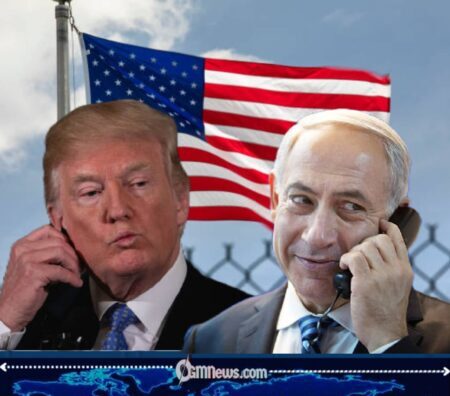
Donald Trump has revealed details of what he described as a heated telephone conversation with Israeli Prime Minister Benjamin Netanyahu, saying he strongly urged the Israeli leader to halt actions that could contribute to escalating tensions.
According to Trump, the exchange became unusually intense as he sought to convince Netanyahu to adopt a more restrained approach. The president’s comments have quickly generated attention because they provide a rare public account of private discussions between two leaders who have often maintained a close political relationship.
The disclosure comes amid continuing international concern over security developments in the Middle East and efforts to prevent wider instability.
Conversation Between Trump and Netanyahu
Speaking about the call, Donald Trump said he directly appealed to Benjamin Netanyahu, insisting that the situation required restraint rather than further escalation.
The remarks suggest that Trump viewed the circumstances as serious enough to warrant a forceful intervention. While details of the broader discussion remain unclear, the comments indicate that disagreements may have emerged over how best to respond to ongoing developments in the region.
Political observers note that candid exchanges between allied leaders are not uncommon, particularly during periods of heightened tension.
Complexities of International Diplomacy
The revelation highlights the complexities of international diplomacy, where leaders must balance national interests, security concerns, and alliance relationships.
For Donald Trump, the comments reinforce his willingness to portray himself as actively engaged in high-level negotiations and crisis management. For Benjamin Netanyahu, the reported conversation underscores the intense scrutiny surrounding decisions made during periods of regional instability.
As reactions continue to emerge, the disclosure has added another dimension to discussions about U.S.-Israeli relations and the diplomatic efforts aimed at preventing further escalation in the Middle East.

[…] […]