








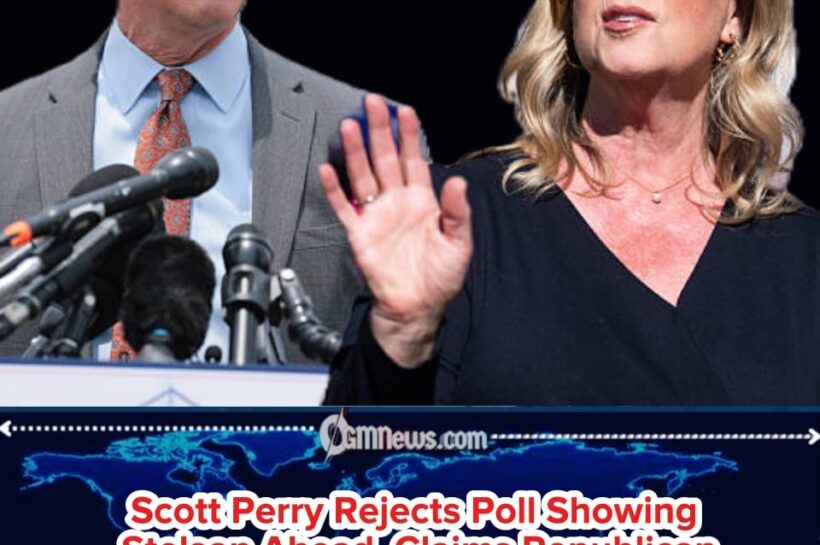







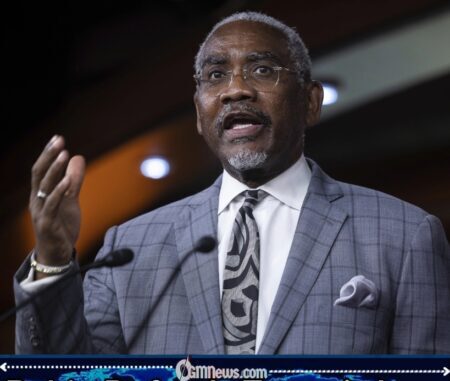
The Rubio-Meeks clash on Capitol Hill has opened a new front in the national debate over the Trump administration’s handling of the Iran conflict, with lawmakers sharply divided over whether security concerns outweigh the economic burdens that could fall on American households. During a tense congressional hearing, Democratic Representative Gregory Meeks pressed Secretary of State Marco Rubio on whether President Donald J. Trump had been warned that military action involving Iran could drive up the cost of gasoline, food, travel, and shipping.
Rubio’s response acknowledged that consequences were anticipated but insisted that the prospect of Iran obtaining a nuclear weapon represented a far greater danger. The exchange immediately transformed a discussion about foreign policy into a broader argument about risk, sacrifice, and the price Americans may ultimately pay.
Consequences Based On Economic Backlash
The confrontation began when Meeks sought a direct answer regarding whether the president had been warned about potential economic fallout before the conflict escalated. His question reflected concerns increasingly voiced by lawmakers who argue that disruptions in the Middle East frequently translate into higher costs for consumers and businesses.
Rubio responded that the president and the administration were fully aware that action would carry consequences. However, he maintained that the administration believed the alternative—a nuclear-armed Iran—would create a far more severe and enduring threat. The secretary’s remarks closely aligned with recent testimony in which he argued that Iran’s nuclear ambitions posed strategic risks extending beyond the region and could ultimately threaten global stability.
The exchange highlighted a familiar divide in Washington. Supporters of the administration argue that national security decisions cannot be judged solely by short-term economic impacts. Critics counter that government leaders have a responsibility to explain and prepare for the financial costs that military actions may impose on ordinary citizens.
Nuclear Stakes And The Administration Policy Of Iran
The Rubio-Meeks clash occurred against the backdrop of broader congressional scrutiny of the administration’s Iran policy. In recent appearances before lawmakers, Rubio has repeatedly argued that the administration’s actions were designed to prevent Iran from strengthening its military capabilities and advancing its nuclear program. He has also maintained that diplomatic negotiations remain possible, even as tensions continue to shape regional politics.
Recent testimony and public statements from administration officials have emphasized concerns about Iran’s enriched uranium stockpiles and its long-term nuclear capabilities. Rubio has argued that Tehran’s nuclear ambitions, combined with its regional influence, could create a strategic environment in which economic disruptions such as energy price shocks become even more severe and difficult to counter.
At the same time, analysts and lawmakers continue to monitor the economic implications of instability surrounding major energy routes, particularly the Strait of Hormuz. Concerns about potential disruptions have contributed to market uncertainty and renewed debate about the relationship between military strategy and household finances. Reports of rising oil market anxiety have strengthened arguments from critics who believe economic costs deserve greater attention in policy discussions.
The Rubio-Meeks clash may ultimately be remembered as more than a heated congressional exchange. It captured a central question facing policymakers and voters alike: how should a nation balance immediate economic pressures against long-term security threats? As negotiations, military developments, and market reactions continue to unfold, OGM News will continue tracking whether the administration’s calculation proves justified—or whether the economic consequences become the story Americans remember most.
Mexican players will love how well this platform handles local payment methods. Deposits via OXXO...