














Inflation is once again haunting Washington as President Donald J. Trump faces growing economic pressure ahead of the midterm elections. What was supposed to be a victory lap on economic recovery is increasingly becoming a defensive campaign against rising prices, voter frustration, and financial markets that appear less interested in political speeches than in actual numbers. With fuel costs rising, borrowing becoming more expensive, and affordability concerns returning to the national spotlight, Republicans are discovering that inflation has a habit of ignoring campaign schedules.
Inflation Is Back — And It May Be Trump’s Biggest Political Opponent
The original concern centers on renewed inflation warnings emerging from financial markets and economic data. Recent reports show investors demanding higher returns to lend money to the U.S. government, pushing Treasury yields above levels seen before the escalation of tensions involving Iran. Those higher yields have translated into more expensive mortgages, auto loans, and business borrowing costs, placing additional pressure on American households already dealing with elevated living expenses.
The Trump administration has maintained that its economic agenda will ultimately reduce deficits and strengthen affordability. Officials have pointed to tariffs, spending reductions, and anti-fraud initiatives as tools to improve fiscal stability. However, economists remain skeptical about whether those measures can meaningfully offset growing debt obligations and rising government spending commitments. Critics argue that inflation continues to undermine public confidence, particularly among voters who expected faster relief after the 2024 election campaign.
Midterm Alarm Bells Ring as Inflation Hits American Households Hard
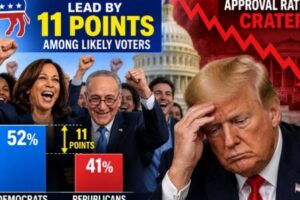
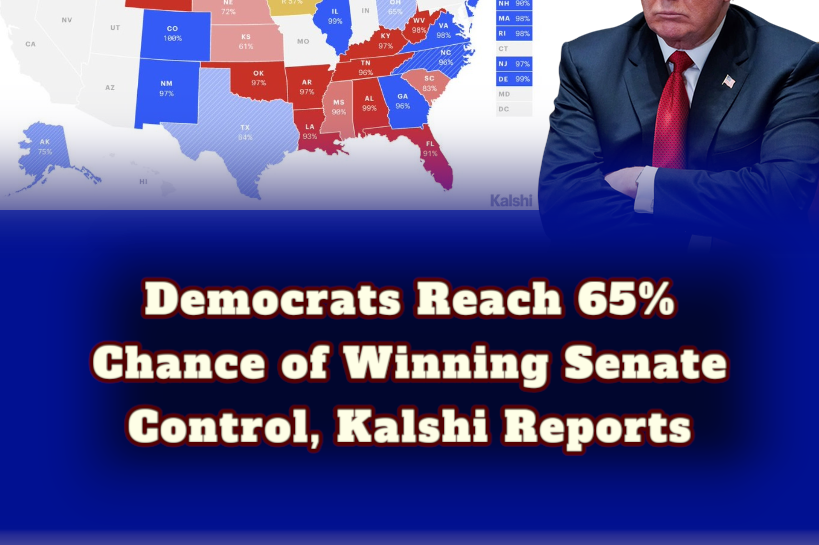
The broader political challenge extends beyond inflation statistics. Surveys and economic reports increasingly show that voters remain deeply concerned about the cost of living. Consumer confidence has weakened in recent months as higher gasoline prices and household expenses continue affecting purchasing power. Many Americans report cutting back on spending despite official claims that economic conditions remain relatively stable.
Additional pressure has come from global energy disruptions tied to tensions involving Iran. Rising oil prices have contributed to inflation across transportation, food distribution, and manufacturing sectors, creating a ripple effect throughout the economy. Political strategists from both parties acknowledge that inflatio could become one of the defining issues of the midterm elections, particularly if voters continue associating rising costs with decisions made in Washington. Some analysts note that inflation previously helped Trump politically, but the same issue now threatens to become a major liability for his party.
For now, the White House continues promoting its economic message while hoping inflation cools before voters head to the polls. Yet financial markets, fuel prices, and consumer sentiment remain difficult opponents to manage through political messaging alone. As the midterm campaign intensifies, Republicans may discover that winning economic arguments becomes far harder when inflatio keeps showing up with fresh receipts and demanding public attention. OGM News will continue monitoring developments as new economic data and voter sentiment shape the political landscape.


The weekly tournaments here keep me coming back because the prize pools are surprisingly generous....