





















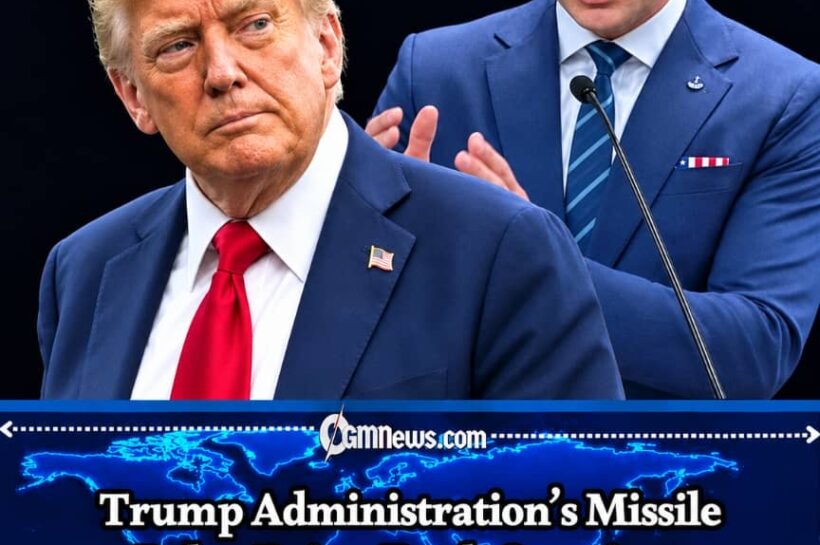







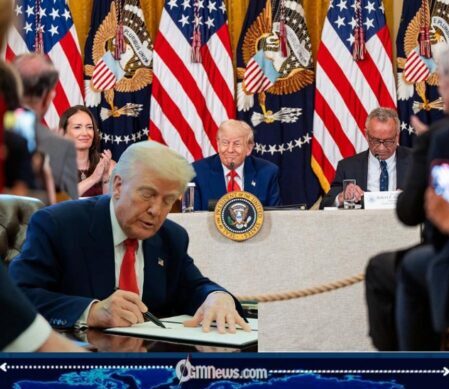
The Voting Machine Security Study has become a focal point of political tension after the White House delayed its release, raising questions about transparency, timing, and the handling of sensitive election infrastructure assessments. The Voting Machine Security Study, originally expected to inform the public and policymakers about the resilience of U.S. voting systems, is now at the center of speculation as officials remain tight-lipped about the reason for the hold. The delay comes at a time when election integrity debates remain highly sensitive, turning a technical report into a politically charged flashpoint.
Security Review and Official Process
The Voting Machine Security Study is understood to be part of routine assessments conducted to evaluate the cybersecurity strength of election systems across the country. These studies typically involve collaboration between federal cybersecurity authorities, election administrators, and technical experts who review vulnerabilities, software safeguards, and system resilience. The White House has not publicly detailed why the Voting Machine Security Study remains unreleased, though such delays are often attributed to inter-agency review processes or the need to redact sensitive security details before publication.
Officials familiar with election infrastructure procedures generally emphasize that caution is standard practice when handling findings that could reveal weaknesses in voting systems. However, the extended delay has led to increased scrutiny from lawmakers and watchdog groups who argue that withholding information — even temporarily — can fuel public mistrust. In this case, the Voting Machine Security Study has shifted from a technical document into a broader symbol of transparency concerns within federal governance.
Political Sensitivities and Broader Context
Election security in the United States has remained a high-priority issue since heightened concerns following recent election cycles. Agencies responsible for cybersecurity have repeatedly warned that voting systems, while generally secure, require constant monitoring due to evolving digital threats. Reports in recent years have consistently recommended upgrades in software integrity, auditing systems, and paper backup mechanisms to ensure verifiability. The White House delay involving the Voting Machine Security Study has therefore intensified debate over how much information should be released to the public versus what should remain restricted for security reasons.
President Donald J. Trump, like previous administrations, has emphasized the importance of election security, though his political approach to election integrity discussions has often been sharply contested in public discourse. Critics argue that delays in releasing reports like the Voting Machine Security Study risk being interpreted through a political lens regardless of intent, especially in a polarized environment. Supporters of stricter information control, however, maintain that premature disclosure of technical findings could expose vulnerabilities that malicious actors might exploit. According to broader cybersecurity policy discussions, this tension between transparency and security is a recurring challenge in democratic systems worldwide, not unique to the United States.
Ultimately, the delay surrounding the Voting Machine Security Study highlights a familiar governance dilemma: how to maintain public trust while safeguarding sensitive infrastructure details. As pressure builds for clarity, the White House is expected to face continued questions over when — and in what form — the report will finally be released. The outcome may shape not only public perception of election security but also future standards for how such critical assessments are communicated.



Navigating through slot games used to feel overwhelming but this login portal makes everything so...