





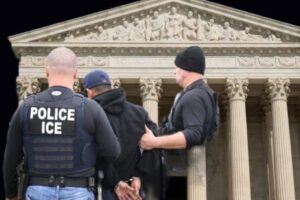

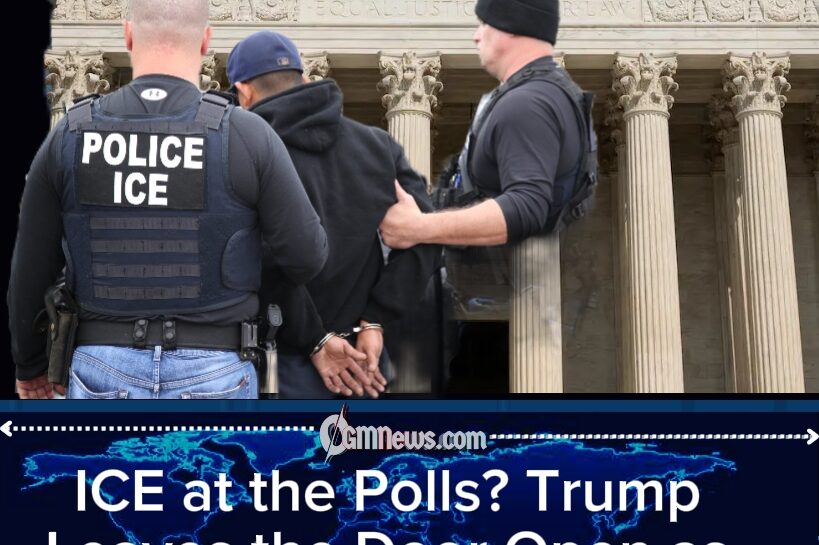






Digital Crackdown fears spread rapidly across political and legal circles after reports emerged that the Trump administration’s Justice Department sought personal information tied to Reddit and X users who criticized deportation policies online. According to reports, subpoenas issued by the U.S. Attorney’s Office in Washington requested names, addresses, and even banking information linked to several social media accounts involved in anti-deportation discussions. The revelations immediately triggered accusations that the federal government may be drifting toward intimidation tactics against political critics.
Digital Crackdown concerns intensified because lawyers representing affected users reportedly stated their clients still have not been informed of specific crimes connected to the investigation. Critics argue that requesting sensitive financial and identifying information without publicly explaining the alleged offenses creates serious constitutional and civil liberties questions.
Federal Power, Digital Crackdown and Online Speech Collide
The controversy arrives during a period of heightened national tension surrounding immigration enforcement and deportation policy. Public criticism of deportation operations has become widespread across social media platforms, where activists, journalists, and ordinary users regularly debate government actions in real time.
Within the broader Free Speech debate, legal observers warned that aggressive subpoena tactics targeting online critics could create a chilling effect on public discourse. Civil liberties advocates argue that citizens must remain free to criticize government policy without fear that personal data could become part of politically sensitive investigations.
Supporters of stronger enforcement powers, however, argue federal prosecutors maintain authority to investigate online activity when officials suspect interference, coordination, or unlawful conduct connected to government operations. The central issue now revolves around whether the reported subpoenas reflect legitimate investigative authority or excessive political overreach.
The Digital Crackdown Era Creates New Constitutional Battles
Modern politics increasingly unfolds online, meaning constitutional questions surrounding speech, anonymity, and government oversight now extend directly into social media spaces. Legal experts note that digital platforms have effectively become public squares where political battles play out instantly before massive audiences.
Free Speech controversies tied to online investigations often generate deep concern because of the enormous amount of personal information platforms may hold about users. Critics warn that requests involving financial records and identifying details can feel less like routine investigations and more like warnings directed at political opponents.
As debate intensifies, OGM News understands the controversy may evolve into a larger national confrontation involving privacy rights, federal authority, and the future of political expression in the digital age. Whether the subpoenas withstand legal and public scrutiny could ultimately shape how Americans view online speech and government power for years to come.

[…] […]