





















Birthright citizenship has once again exploded into the center of American politics after President Donald Trump intensified demands for the Supreme Court to support efforts aimed at abolishing automatic citizenship for children born in the United States to undocumented immigrants. The controversial push has reignited fierce constitutional debates, sharpened divisions over immigration policy, and transformed the nation’s highest court into the latest battleground of Trump’s presidency. While supporters praise the move as a necessary correction to immigration loopholes, critics warn the proposal risks unsettling more than a century of legal precedent and redefining who can truly call themselves American.
Trump Pushes Supreme Court to Rethink Birthright Citizenship for Illegal Immigrants
President Donald Trump’s renewed campaign against birthright citizenship follows months of escalating immigration rhetoric from the White House, where officials have repeatedly argued that the current system encourages illegal immigration and rewards unlawful entry into the country. The administration insists that the 14th Amendment was never intended to guarantee citizenship to every child born on U.S. soil regardless of parental immigration status, a claim that has drawn immediate backlash from constitutional scholars and civil rights groups.
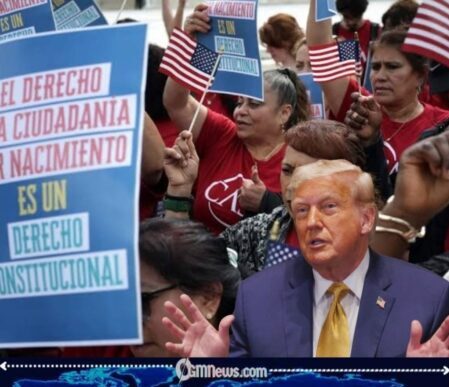
Trump has framed the issue as part of a broader national security and border enforcement strategy, portraying automatic citizenship as an outdated policy exploited through so-called “birth tourism” and illegal migration networks. The issue gained additional political momentum after Supreme Court hearings revealed the administration aggressively defending executive actions designed to narrow interpretations of the Citizenship Clause. Demonstrators gathered outside the court during oral arguments, while social media quickly turned the proceedings into a nationwide political spectacle filled with heated accusations, patriotic slogans, and constitutional memes powerful enough to make even history textbooks trend online.
Supreme Court Under Pressure as Trump Targets Century-Old Citizenship Protections
Additional legal analysis surrounding the birthright citizenship dispute suggests the battle extends far beyond immigration politics and could ultimately test the balance of presidential authority against constitutional precedent. Several Supreme Court justices reportedly expressed skepticism toward arguments claiming the executive branch could independently reinterpret long-standing citizenship protections without congressional action or a constitutional amendment. Legal observers noted that even some conservative justices appeared cautious about opening the door to sweeping changes affecting citizenship rights.
The broader political climate has only intensified scrutiny surrounding the case. Recent polling indicates a significant majority of Americans oppose ending birthright citizenship, though sharp partisan divisions remain visible across the electorate. Meanwhile, immigration activists warn that restricting automatic citizenship could create legal uncertainty for countless families and generate years of additional court battles. Trump allies, however, continue arguing that many developed nations already place stricter conditions on citizenship and insist the United States has become unusually permissive. As the Supreme Court prepares for a decision expected to shape future immigration policy, both supporters and opponents understand the outcome may influence constitutional interpretation, electoral politics, and the nation’s identity for decades to come.
For now, birthright citizenship remains protected under existing law, but the political storm surrounding it shows little sign of fading. OGM News understands that regardless of how the Supreme Court ultimately rules, the debate has already succeeded in reshaping national conversations about immigration, constitutional power, and the meaning of citizenship in modern America.


https://shorturl.fm/5TtQZ