












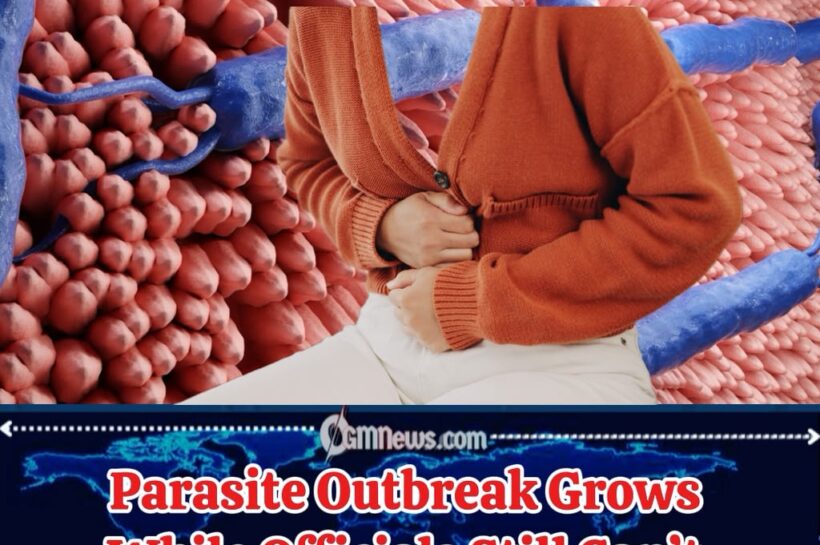



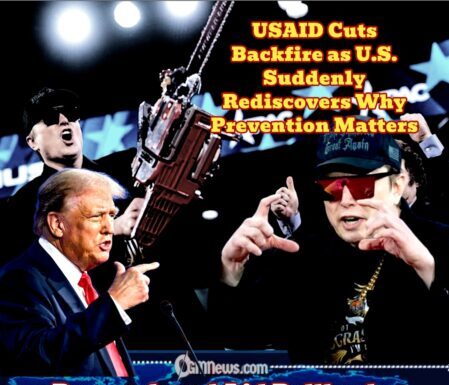
A fierce debate over America’s global health priorities erupted this week after renewed Ebola concerns reignited criticism of sweeping cuts to international aid and disease prevention programs tied to USAID and medical research efforts. What was once dismissed by some political voices as unnecessary foreign spending is now being described by critics as one of the world’s most important invisible defense systems. As fears spread online over whether weakened outbreak response structures could increase future global risks, many Americans are once again confronting an uncomfortable lesson from recent history: diseases rarely stay where they begin.
Disease Prevention Programs Once Mocked as “Charity” Now Face New Scrutiny
The original controversy centers on claims that reductions in aid, public health partnerships, and disease-monitoring support weakened response readiness in vulnerable regions where Ebola outbreaks periodically emerge. Critics argue that years of political hostility toward international assistance created the impression that such funding offered little benefit to ordinary Americans, even though many of these programs were designed specifically to contain threats before they reached international borders.
Public health analysts have increasingly emphasized that agencies involved in outbreak prevention often function as a first line of defense for the United States itself. Research grants, emergency medical training, laboratory support, and surveillance partnerships in developing nations are widely viewed by experts as aids supporting Disease Prevention infrastructure rather than symbolic charity. The recent panic surrounding Ebola fears has therefore intensified criticism that some policymakers underestimated the strategic importance of these investments.
Global Health Experts Warn the World Learned This Lesson During COVID-19
Additional context surrounding the debate comes from years of warnings issued by epidemiologists and infectious disease specialists following the COVID-19 pandemic. Many experts argued after that crisis that reducing international cooperation on disease prevention would leave the world more vulnerable to future outbreaks. Ebola, while different from COVID-19 in transmission, remains one of the world’s most feared viruses because of its high fatality rates and the pressure outbreaks place on already fragile healthcare systems.
Recent global health discussions have also highlighted how USAID and related international programs historically supported emergency response capabilities in parts of Africa where outbreaks can emerge rapidly. Analysts note that these initiatives frequently included vaccine distribution support, laboratory diagnostics, and rapid-response coordination aimed at stopping diseases at their source. Critics of the cuts now argue that the backlash against foreign aid overlooked the reality that prevention abroad often serves as protection at home.
The controversy has transformed what was once treated as a routine political argument over government spending into a broader conversation about national security, global responsibility, and public health capability for disease prevention. As officials continue monitoring developments, OGM News understands that growing public attention may force renewed scrutiny over whether cutting preventative systems ultimately creates far greater risks—and costs—for the future.


https://shorturl.fm/5TtQZ