
















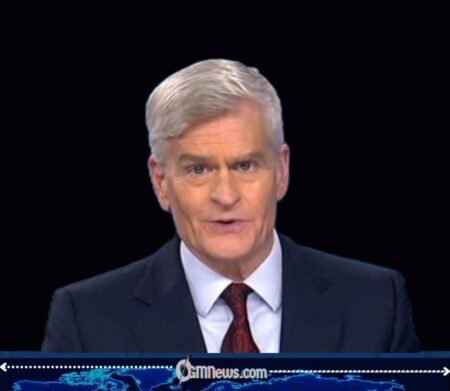
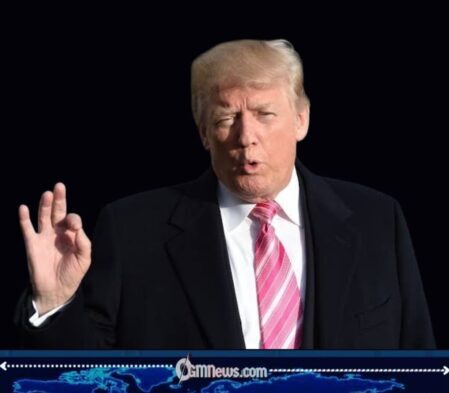
UNITY has become the latest political grenade thrown into America’s deeply divided political arena after Republican Senator Bill Cassidy issued a sharply worded appeal for calmer leadership, constitutional loyalty, and less personality-driven politics. Although Cassidy avoided mentioning President Donald J. Trump by name, the timing and language of his remarks left little doubt about the target many readers had in mind. Coming only days after Trump-backed political forces contributed to Cassidy’s painful primary defeat, the senator’s message immediately ignited debate across conservative circles about fear, loyalty, and the future identity of the Republican Party.
Cassidy argued that Americans are exhausted by political hostility that treats disagreement as betrayal. He wrote that leaders should be “steady, not erratic” and should prioritize long-term national interests over personal gain. The remarks landed like a thunderclap because they followed years of tension between Cassidy and Trump, including Cassidy’s vote to convict Trump during the impeachment trial connected to the January 6 Capitol attack. Trump had previously blasted Cassidy publicly, branding him disloyal while aggressively backing opposition against him in Louisiana politics.
Cassidy Discovers “Unity” Right After Trump Sends Him Into Political Retirement
The Louisiana senator’s comments reflected a growing debate inside conservative politics over whether loyalty to a movement should outweigh independent judgment. Cassidy specifically emphasized that loyalty must belong first to the Constitution and the American people rather than to powerful individuals. For many Republicans, the statement sounded like a direct rejection of the increasingly personality-centered style dominating parts of modern American politics.
UNITY also appeared in Cassidy’s criticism of political behavior toward foreign allies. He warned that public humiliation and short-term displays of dominance may satisfy political audiences temporarily but could weaken strategic alliances in the long run. The senator argued that international relationships require steadiness and mutual respect, a position some analysts believe indirectly references several controversial diplomatic confrontations associated with Trump-era politics.
The political tension surrounding Cassidy has been building for years. Beyond impeachment, the senator also clashed with the Trump administration over vaccine policies and broader public health decisions during and after the COVID-19 era. His recent vote supporting a war powers resolution designed to limit unauthorized military action against Iran further reinforced his willingness to challenge parts of Trump’s foreign policy influence inside the Republican Party.
UNITY: The Bigger Battle Over America’s Political Future
Political analysts say Cassidy’s remarks may represent more than personal frustration after electoral defeat. Across the United States, several Republican lawmakers have quietly expressed concern about growing political polarization, fear of internal party retaliation, and the shrinking space for compromise. Cassidy’s invocation of Ronald Reagan’s famous “80 percent ally” philosophy was widely interpreted as an attempt to revive an older Republican vision centered on coalition-building rather than ideological purity tests.
UNITY has now become both a slogan and a political test. Supporters of Trump argue that strong leadership and aggressive political tactics are necessary to confront opponents they view as hostile to conservative values. Critics, however, warn that constant political warfare risks damaging democratic institutions, weakening alliances abroad, and creating an environment where dissent inside political parties becomes nearly impossible.
The controversy also highlights a broader shift in American political culture, where public statements are rapidly transformed into viral social media conflicts. Cassidy’s essay, intended as a call for calmer politics, instead fueled another nationwide argument over leadership, loyalty, and the future direction of the Republican Party. In many ways, the reaction itself may have proven the senator’s point about America’s increasingly combustible political atmosphere.
As tensions continue to grow ahead of future elections, OGM News Nigeria will continue monitoring whether Cassidy’s warning becomes an isolated protest or the early signal of a larger Republican identity struggle that could reshape American politics for years to come. UNITY, once treated as a routine political slogan, may now represent one of the most contested words in Washington.

[…] […]