







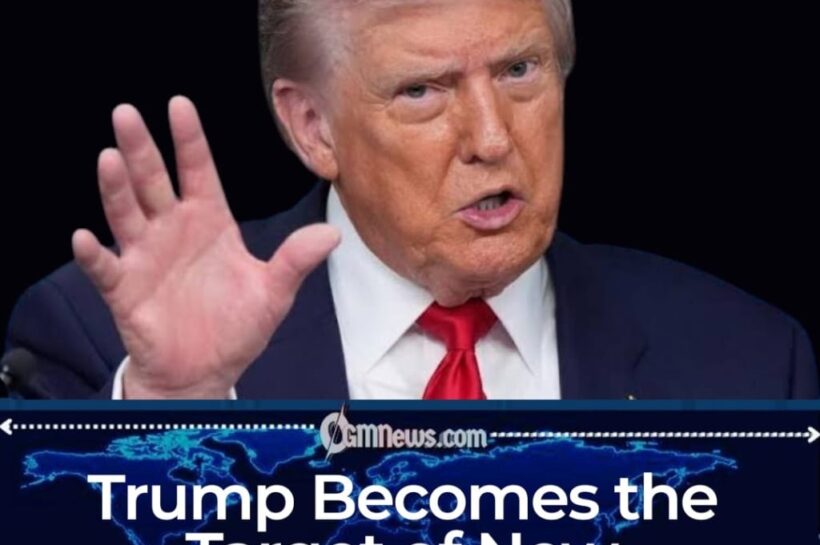
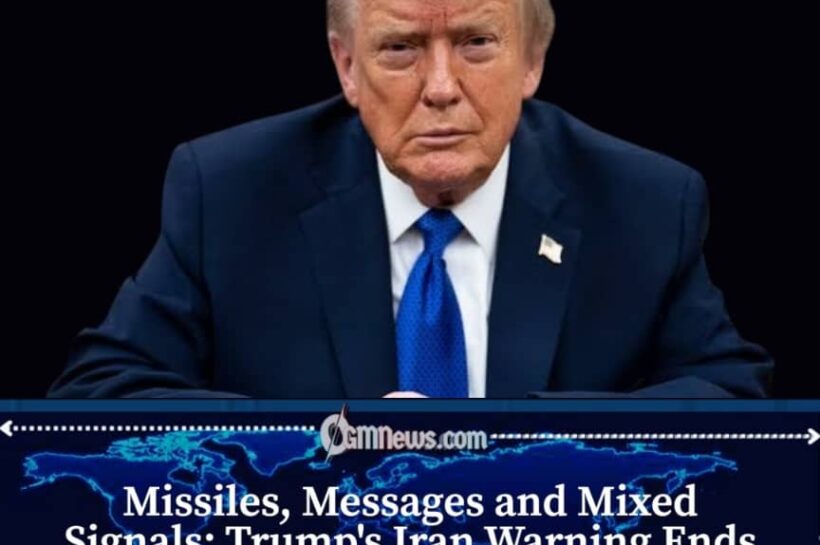

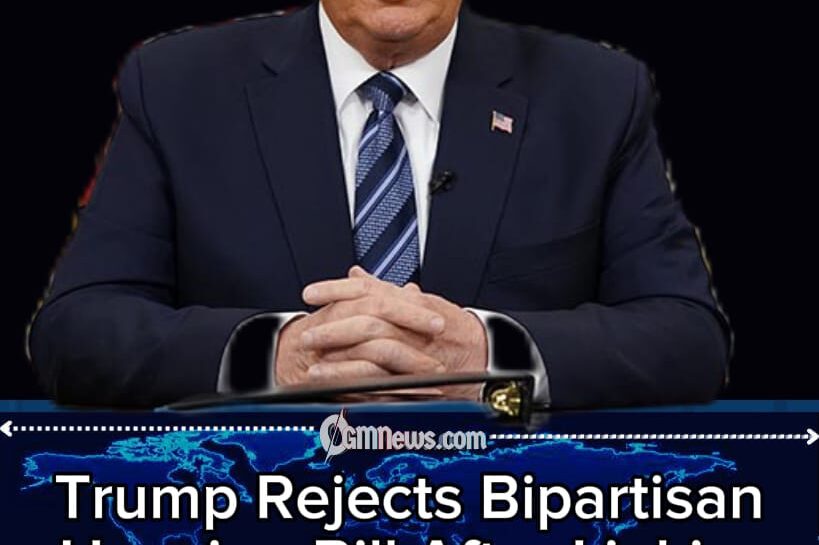



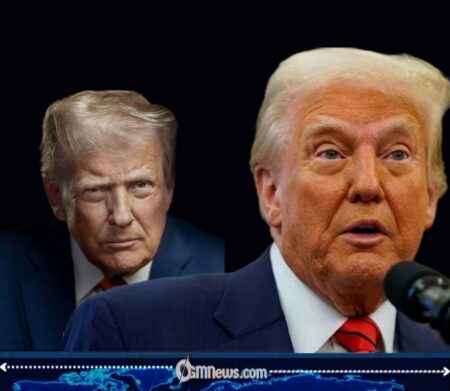
Trump’s Iran war strategy is rapidly becoming more than a foreign policy debate; it is now a political stress test measuring how much economic pain Americans are willing to tolerate in exchange for promises of national security. As fuel prices climb, grocery bills rise, and inflation concerns spread across the United States, President Donald J. Trump has openly defended the economic consequences of the ongoing confrontation with Iran, arguing that stopping Tehran’s military ambitions justifies temporary hardship at home. What has surprised many analysts, however, is not Trump’s rhetoric but the unwavering support emerging from several conservative rural communities already struggling under rising living costs.
Across farming regions, trucking hubs, and energy-dependent towns, many voters continue backing the president despite the strain on their wallets. Interviews and recent field reports reveal a political mood where patriotism, distrust of political opponents, and national security fears often outweigh concerns over inflation. In some communities, residents openly describe the rising costs as “a sacrifice” necessary to preserve American strength abroad, while critics warn that emotional loyalty may be replacing economic self-interest in modern political discourse.
Eggs Expensive, Fuel Expensive — But At Least Iran Is Nervous
Trump’s Iran war comments sparked renewed controversy after he reportedly dismissed concerns about Americans’ financial difficulties, insisting that economic pressure would not influence his strategic decisions. The remarks came as energy markets reacted nervously to tensions in the Middle East, contributing to higher fuel and transportation costs across the country. Analysts note that rural communities are particularly vulnerable because of their dependence on driving, farming equipment, freight transportation, and diesel-powered industries.
Despite those realities, support for Trump remains remarkably durable in many conservative areas. Several voters interviewed in recent reports argued that preventing Iran from gaining military power was more important than cheaper fuel or lower grocery prices. Others framed the issue less as economics and more as political identity, insisting they trusted Trump’s leadership more than they feared inflation. In classic American fashion, some residents even managed to joke about the situation, with one truck driver reportedly remarking that “freedom now apparently comes with premium gas prices.”
Trump’s Iran Gamble Turns Grocery Bills Into Political Loyalty Tests
Political observers say the situation reflects a deeper transformation in American politics, where cultural loyalty increasingly shapes voter behavior more than economic conditions alone. Historically, rising inflation has damaged sitting presidents and weakened public confidence. However, Trump’s support base has repeatedly shown resilience during controversies that might have severely weakened previous administrations.
Economic experts continue warning that prolonged conflict in the Middle East could create broader consequences beyond fuel prices. Increased military spending, supply chain disruptions, and instability in global oil markets may eventually place additional pressure on consumers already battling high living costs. Some analysts fear rural America may experience the harshest effects if transport and agricultural expenses continue rising over the coming months.
At the same time, critics accuse both major political parties of oversimplifying the issue for political advantage. While opponents portray Trump as detached from ordinary Americans’ struggles, supporters argue the administration is confronting threats previous leaders failed to address decisively. The result is a deeply polarized national conversation where inflation statistics and patriotism now compete for dominance in the same political arena.
For now, Trump’s Iran war narrative continues to resonate strongly within parts of rural America, even as economists warn the financial burden may grow heavier. Whether this loyalty survives a prolonged economic squeeze remains uncertain, but one thing is clear: in today’s America, rising prices alone may no longer be enough to reshape political allegiance. OGM News will continue monitoring how inflation, voter sentiment, and the broader Iran conflict evolve in the weeks ahead.
https://shorturl.fm/5TtQZ