
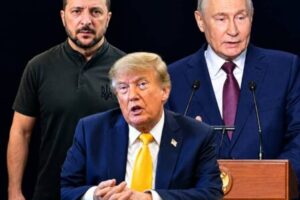




















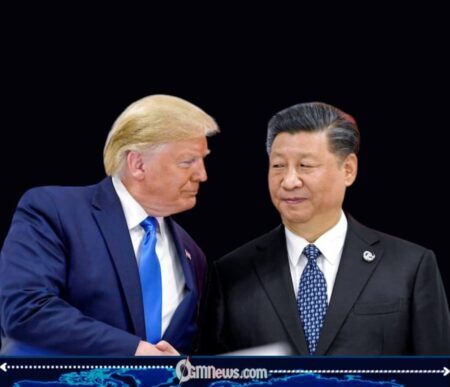
Cooperation became the central theme of President Xi Jinping’s latest remarks directed at President Donald J. Trump, as the Chinese leader insisted that China and the United States share more common interests than differences. The statement immediately attracted global attention because it arrived during a period of heightened economic competition, trade uncertainty, and strategic distrust between the world’s two largest economies. While the language sounded diplomatic and optimistic, many observers believed the message carried a deeper warning about the dangers of continued confrontation.
Xi emphasized that both nations stand to gain from partnership and lose from rivalry, repeating Beijing’s longstanding argument that economic cooperation remains more beneficial than tariffs, sanctions, and geopolitical escalation. The remarks also appear designed to reassure global investors and trading partners worried that renewed tensions between Washington and Beijing could trigger another round of economic instability. For many analysts, the speech sounded less like a ceremonial diplomatic statement and more like an attempt to calm a nervous international market already exhausted by years of uncertainty.
Cooperation: Beijing Warns America That Rivalry Could Damage the Global Economy
The rivalry between China and the United States has intensified in recent years across trade, technology, military influence, and global diplomacy. Washington has repeatedly expressed concerns about Chinese manufacturing dominance, intellectual property disputes, cybersecurity issues, and Beijing’s growing influence in strategic regions around the world. China, meanwhile, has accused the United States of attempting to contain its economic rise through tariffs, export controls, and restrictions targeting Chinese technology companies.
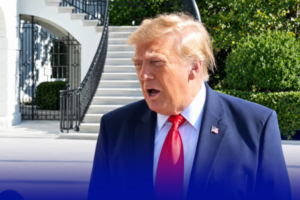
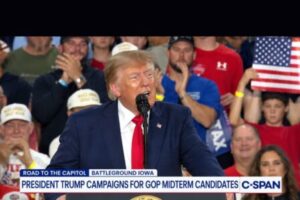
President Trump has maintained a strong position on trade negotiations with China, arguing that previous economic arrangements unfairly benefited Beijing at the expense of American industries and workers. Although tariffs and restrictions were originally introduced as economic leverage, experts say the consequences extended far beyond politics, affecting supply chains, consumer prices, manufacturing costs, and investor confidence globally. Xi’s latest statement appears aimed at reminding Washington that prolonged confrontation may ultimately damage both economies rather than produce a clear winner.
China Calls for Stable U.S. Relations Amid Global Tensions
Beyond the political messaging, Xi’s remarks also reflect growing international concern about global economic stability. Financial institutions and multinational companies continue monitoring U.S.-China relations closely because decisions made by both governments can influence inflation, shipping costs, technological development, and commodity markets worldwide. The relationship between both powers now affects everything from smartphone production to energy pricing and artificial intelligence competition.
Recent diplomatic engagements between Chinese and American officials suggest that both governments are attempting to maintain communication channels despite ongoing disagreements. Analysts note that neither side can fully afford complete economic separation due to the deep interdependence of global trade networks. Even so, political pressure within both countries often rewards tough rhetoric over compromise, creating a situation where leaders publicly compete while privately seeking ways to avoid serious economic fallout.
The larger question now is whether cooperation will remain a diplomatic slogan or evolve into practical policy decisions capable of reducing tensions between both countries. For the global economy, businesses, and millions of ordinary citizens affected by inflation and trade uncertainty, the answer may determine whether the coming years are defined more by partnership or by an increasingly expensive rivalry. OGM News will continue monitoring developments surrounding Cooperation and the evolving relationship between Washington and Beijing.


The registration process was so simple and I started playing within minutes. Promotions come in...