











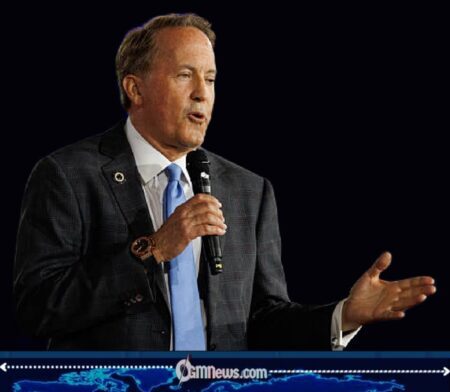
Texas Attorney General Ken Paxton and Shariah debate conversations intensified after the Texas Attorney General said he has been working to stop Muslims in the state from enacting Shariah and discriminating against other religions. The remarks quickly triggered strong political and public reactions, reigniting one of America’s most sensitive and polarizing discussions surrounding religion, constitutional rights, and cultural identity.
Ken Paxton argued that his office remains committed to protecting religious equality while ensuring that Texas laws operate under constitutional principles rather than any alternative legal system. Supporters of the attorney general praised the statement as a defense of equal treatment under the law and a reaffirmation of state authority over legal standards.
Critics, however, accused Paxton of unfairly singling out Muslim communities and contributing to rhetoric that could deepen religious division and social mistrust.
Civil liberties advocates warned that generalized political statements about religious groups can fuel stereotypes and intensify cultural polarization in already divided political environments.
The controversy rapidly spread across social media and political commentary platforms, where debates over immigration, religion, national identity, and constitutional freedoms continue dominating public discourse in the United States.
Ken Paxton and America’s Religious Freedom Debate
Ken Paxton has frequently positioned himself at the center of major conservative legal and political battles involving constitutional interpretation, immigration policy, and cultural issues.
His latest remarks reflect broader conservative concerns about maintaining what supporters describe as the primacy of constitutional law and equal legal standards across all religious and cultural groups.
Legal experts note that Shariah law debates periodically emerge in American politics despite the fact that the United States Constitution and state laws remain the supreme legal authorities governing court systems nationwide.
Critics argue that such political discussions sometimes exaggerate fears surrounding Muslim communities while distracting from broader issues affecting religious freedom and social cohesion.
Shariah Debate and America’s Polarized Political Climate
Shariah debate discussions have repeatedly surfaced in American politics over the past two decades, often becoming flashpoints in wider cultural and ideological battles.
Civil rights organizations frequently caution that rhetoric surrounding Islamic law can contribute to public misunderstanding about Muslim religious practices and the constitutional protections guaranteed to all faith communities in the United States.
Supporters of stricter legal safeguards argue that public officials have a responsibility to ensure that all residents operate under uniform legal standards regardless of religious affiliation.
Political analysts say debates involving religion, identity, and constitutional rights remain especially powerful in election cycles because they often energize partisan voter bases and dominate media attention.
For now, Ken Paxton’s remarks regarding the Shariah debate and religious discrimination concerns have intensified national conversations about religious freedom, political rhetoric, and constitutional law in America’s deeply polarized social climate. OGM News Nigeria will continue monitoring reactions and developments surrounding the growing controversy.
[…] […]