





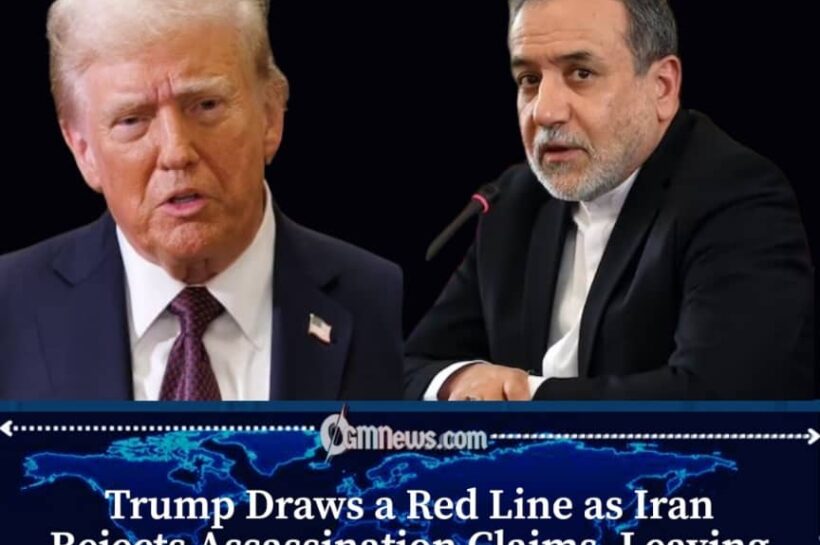
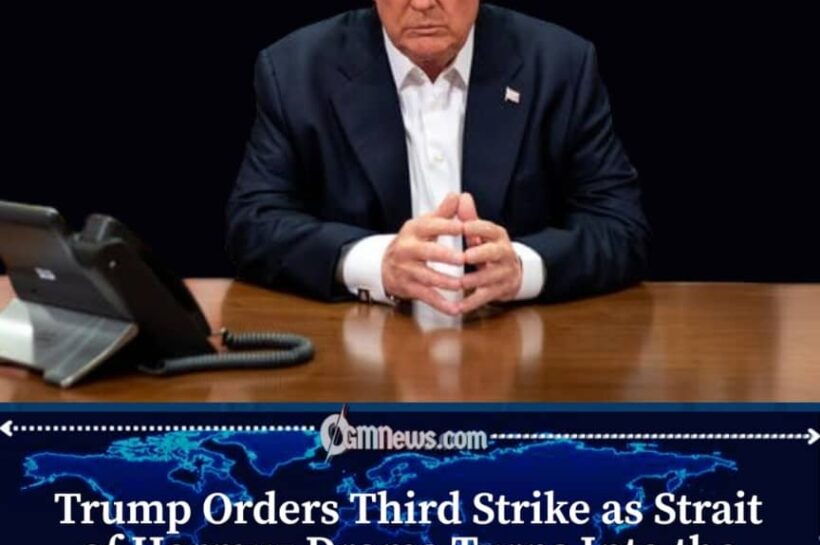




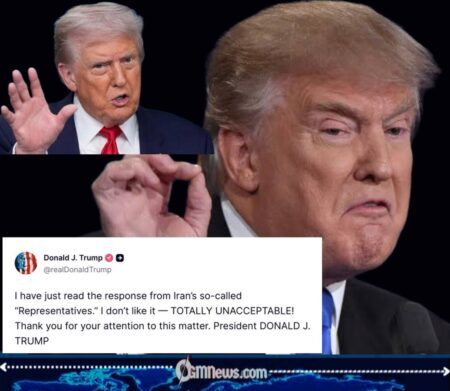
Unacceptable became the defining word of the latest diplomatic clash after President Donald J. Trump publicly condemned Iran’s response to a U.S.-supported proposal intended to reduce escalating conflict across the Middle East. What was initially presented as a possible pathway toward de-escalation quickly transformed into another tense geopolitical standoff, leaving observers questioning whether peace negotiations were genuine diplomacy or merely another chapter in a long-running international power contest.
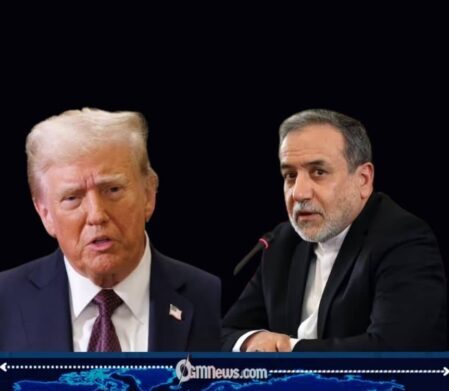
The dispute reportedly intensified after Iran submitted its response through regional intermediaries, with demands said to include sanctions relief, security guarantees, and conditions surrounding military operations in strategic waterways. Trump’s sharp dismissal of the proposal immediately triggered reactions across global markets, political circles, and online platforms, where many users sarcastically described the negotiations as “peace talks sponsored by rising fuel prices.”
Unacceptable: Peace Gamble Raises Diplomatic Tension
The Peace Gamble surrounding the negotiations appears to reflect deeper disagreements that extend far beyond the current conflict. Reports indicate that Iran wants immediate focus placed on ending hostilities and reducing military pressure before discussing long-term nuclear arrangements. The United States, however, reportedly continues to insist that nuclear restrictions remain central to any lasting agreement.
Behind the scenes, diplomatic sources suggest mediators have been attempting to keep communication alive despite worsening public rhetoric. Pakistan reportedly played a role in transmitting messages between both governments, highlighting how third-party nations are increasingly becoming essential referees in a dispute where direct trust remains extremely limited. While officials continue speaking about stability, critics argue the language used publicly by both sides often sounds more suited to election rallies than delicate peace negotiations.
Unacceptable: Oil Markets, Global Anxiety, and Political Theatre
International markets reacted almost immediately following Trump’s comments, with oil prices reportedly rising amid fears that instability around the Strait of Hormuz could worsen. Analysts warn that any prolonged disruption in the region could place additional pressure on already fragile global economies struggling with inflation and supply concerns.
At the same time, the situation has become fertile ground for political satire online, where users mocked the speed at which markets respond to diplomatic arguments. Some commentators joked that oil traders now monitor presidential speeches more closely than weather forecasts. Yet beneath the humor lies genuine concern that another breakdown in negotiations could trigger broader regional consequences involving shipping routes, allied forces, and global energy supply chains.
Unacceptable may have started as a political description, but it has now evolved into a symbol of how fragile international diplomacy remains when competing demands collide with public political pressure. As both governments continue exchanging signals through intermediaries, the world waits to see whether the current standoff becomes another temporary diplomatic storm or the beginning of a deeper geopolitical crisis that could reshape regional stability for months to come.
https://shorturl.fm/XPOeg