







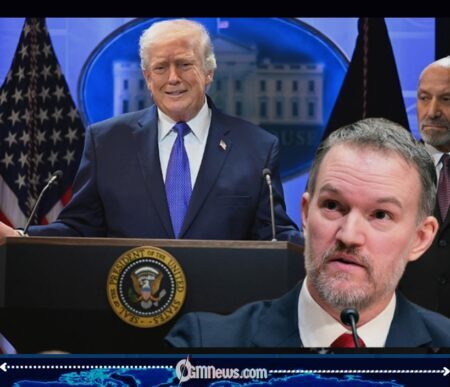
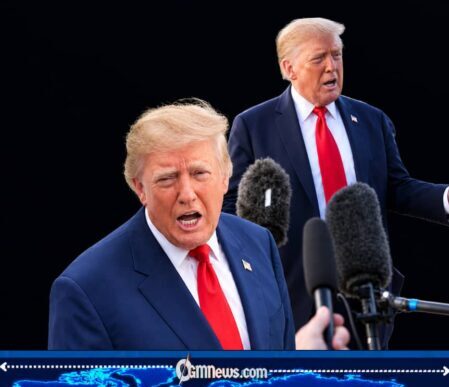
Tariffs once again became the defining word in Washington after President Donald J. Trump publicly praised US Trade Representative Jamieson Greer as “one of the most important men anywhere in the world” before insisting that the United States needs even more tariffs. The remarks, delivered with Trump’s trademark confidence and bluntness, immediately reignited fierce debate among economists, manufacturers, investors, and political observers over whether the administration is preparing for another aggressive phase in global trade disputes.
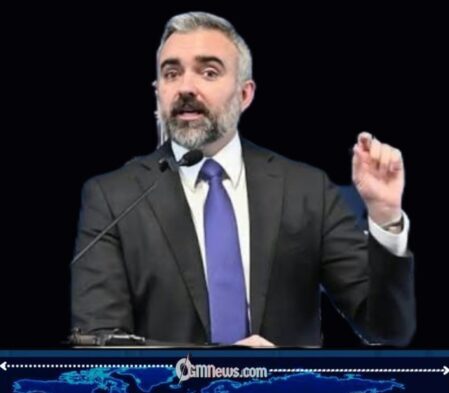
The statement also elevated Greer into an unusually visible role for a trade official, with political commentators noting that few government positions suddenly carry as much pressure as the office responsible for negotiating America’s economic battles abroad. Trump’s public endorsement signaled that trade policy remains one of the administration’s most central political weapons heading deeper into ongoing economic and geopolitical tensions.
Tariffs Return to Center Stage in Washington
Trump’s comments reflect a broader economic philosophy that has defined much of his political brand: the belief that tariffs can pressure foreign nations into better trade agreements while protecting American workers and industries. Supporters argue that stronger tariffs help reduce dependence on foreign manufacturing, particularly from strategic rivals such as China, while giving domestic producers room to compete more aggressively. Some manufacturing groups have previously welcomed tariff measures they believe protect jobs and industrial output inside the United States.
Critics, however, warn that tariffs often create economic side effects that eventually reach ordinary consumers through higher prices on imported products and disrupted supply chains. During earlier rounds of trade tensions in previous years, several industries complained about rising operational costs and uncertainty surrounding international commerce. Tariffs also became politically controversial because some economists argued that retaliatory measures from foreign governments hurt American exporters, especially in agriculture and manufacturing sectors already facing competitive pressure.
Tariffs: Jamieson Greer and the Bigger Global Trade Picture
Jamieson Greer’s growing prominence comes during a period of fragile international economic recovery, where governments across the world are balancing inflation concerns, industrial policy, and strategic competition. Trade experts note that modern tariff battles are no longer just about economics; they increasingly overlap with national security concerns, technological competition, and geopolitical influence. Several countries have already introduced protective economic measures of their own in recent years, creating fears of a broader global shift toward economic nationalism.
The administration’s latest rhetoric also arrives as businesses continue adapting to supply chain vulnerabilities exposed during recent global disruptions. Analysts say some policymakers now favor reshoring industries and reducing reliance on foreign production, particularly in sectors considered strategically important. In one paragraph that drew attention from market observers, Trump’s direct praise for Greer suggested the administration may be preparing to intensify negotiations or impose additional economic pressure in future trade discussions, even as financial markets remain sensitive to uncertainty surrounding global commerce.
For now, the White House appears determined to keep trade policy at the heart of its economic message, with Tariffs serving as both a political slogan and a negotiating tool. Whether the strategy strengthens American industry or deepens tensions with trading partners will likely become clearer in the months ahead, as businesses, consumers, and foreign governments wait to see whether Trump’s words become another major turning point in global trade politics.
Logging in is a breeze and the site stability is amazing even during peak hours....