

















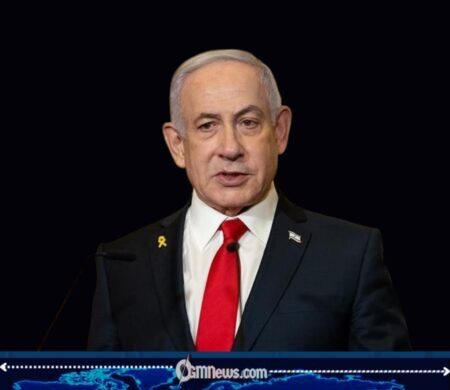
Uranium fears are once again dominating global headlines after Israeli Prime Minister Benjamin Netanyahu declared that the conflict involving Iran is “not over” and insisted Iran’s highly enriched nuclear material must be physically removed from the country. Netanyahu further revealed that President Donald Trump allegedly expressed support for aggressive action aimed at securing or neutralizing Iran’s nuclear stockpile, reigniting concerns about possible military escalation across the Middle East.
The remarks arrive during a period of already heightened regional instability involving Iran, Israel, and multiple international powers concerned about nuclear proliferation, energy security, and military confrontation. Iran has long maintained that its nuclear program is intended for peaceful civilian purposes, including energy production and scientific research. However, Israel and several Western governments continue arguing that Iran’s uranium enrichment activities could eventually provide pathways toward nuclear weapons development if left unchecked. Critics of escalating rhetoric warn that increasingly confrontational language risks pushing the region toward another prolonged and economically devastating conflict.
The Uranium Standoff and Netanyahu’s Position
Prime Minister Benjamin Netanyahu has consistently argued that Iran’s nuclear program represents one of the greatest security threats facing Israel and the broader international community. His latest comments reinforce Israel’s long-standing position that diplomatic agreements alone may not sufficiently prevent Iran from advancing its nuclear capabilities.
Supporters of Israel’s tougher approach argue that preventing nuclear weapons proliferation in the Middle East remains essential for global security and regional stability. Critics, however, warn that calls for physically removing uranium stockpiles or escalating military pressure could trigger unpredictable consequences, including retaliatory actions across the Gulf region and disruptions to global oil markets. Many analysts also note that tensions involving Iran often create immediate financial shocks due to fears surrounding the Strait of Hormuz and international energy supplies.
Global Anxiety Over Nuclear Escalation and Economic Fallout
The international dispute over Iran’s nuclear activities has stretched across multiple administrations and decades of diplomacy, sanctions, intelligence disputes, and regional confrontations. Agreements such as the 2015 nuclear deal sought to limit Iran’s enrichment activities in exchange for sanctions relief, though disagreements over enforcement and compliance repeatedly undermined long-term stability. President Donald Trump previously withdrew the United States from the agreement, arguing that it failed to permanently block Iran’s nuclear ambitions.
Uranium diplomacy has therefore become deeply tied not only to military security but also to global economics and geopolitical influence. Experts warn that any direct military confrontation involving Iran could destabilize international shipping routes, sharply increase oil prices, and intensify already fragile global inflation pressures. Meanwhile, critics of interventionist policies continue drawing comparisons to past Middle East conflicts that produced long wars, economic strain, and political divisions both domestically and internationally.
For now, Netanyahu’s latest warning has intensified fears that diplomacy may once again be losing ground to confrontation in one of the world’s most volatile regions. OGM News understands that global leaders are likely to face mounting pressure to prevent the crisis from escalating further. In modern geopolitics, the word Uranium now carries not only scientific significance, but the power to shake economies, alliances, and entire regions with a single statement.

https://shorturl.fm/XPOeg