








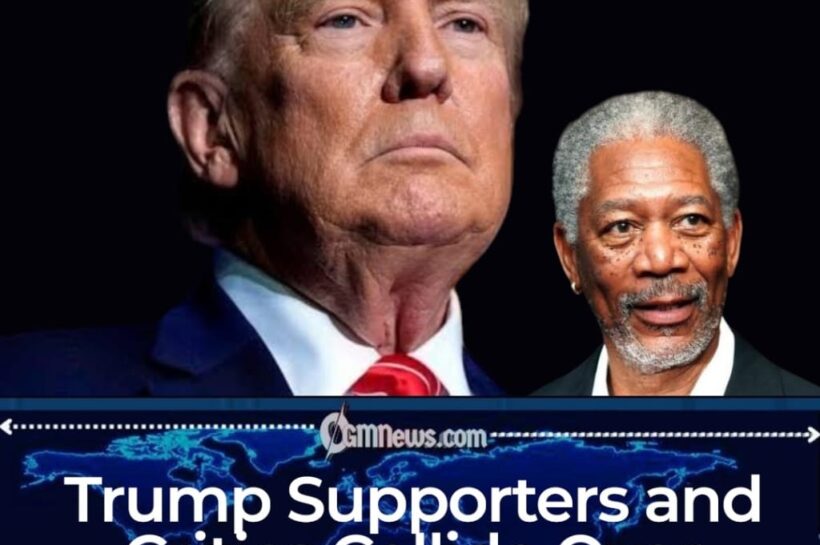

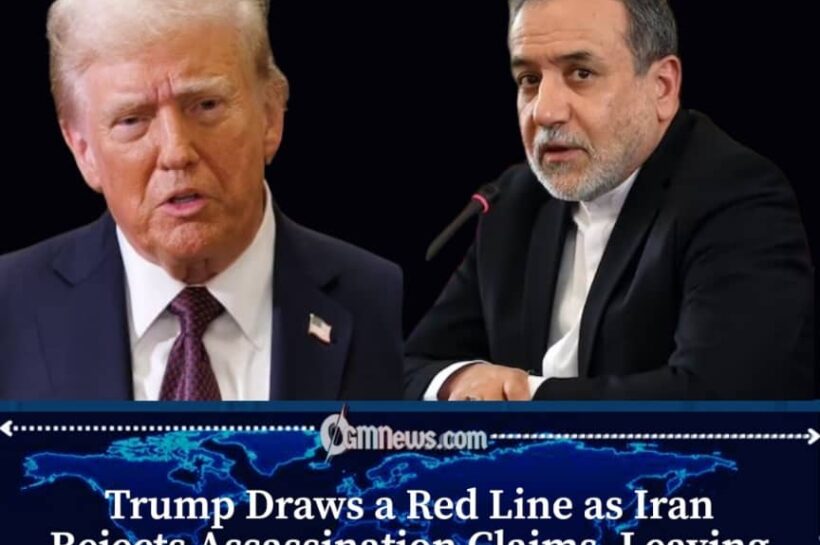







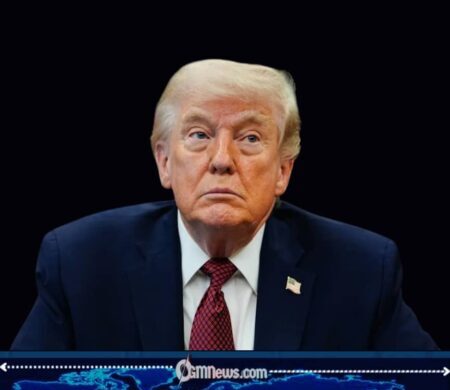
Hormuz diplomacy is rapidly reshaping international politics as Iran intensifies talks with major global powers while criticism of President Donald Trump’s foreign policy grows louder. Tehran’s expanding diplomatic engagements with countries including Japan, Saudi Arabia, India, Brazil, the United Kingdom, Italy, and South Korea have fueled claims that nations are increasingly adjusting to a geopolitical environment where Iran’s strategic leverage over global shipping routes cannot be ignored.
The controversy centers on the Strait of Hormuz, one of the world’s most vital oil transit corridors, through which a significant share of global energy supplies pass daily. Analysts warn that even limited instability in the region can trigger immediate economic consequences, from rising fuel prices to global market volatility. Critics of the Trump administration argue that escalating tensions and unpredictable diplomacy have encouraged allies to seek more direct communication with Tehran rather than relying solely on Washington’s leadership. Supporters of President Donald Trump strongly reject the suggestion that America’s global influence has weakened, pointing instead to the unmatched power of the U.S. military and continued economic pressure against Iran.
The Hormuz Pressure and Iran’s Expanding Diplomatic Reach
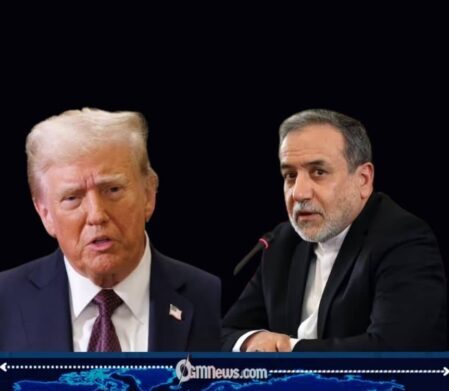
Iran’s foreign minister has recently increased high-profile diplomatic engagements with multiple governments concerned about the economic and security implications of instability near the Strait of Hormuz. Several countries heavily dependent on energy imports are reportedly eager to avoid disruptions that could damage fragile economies already facing inflation and supply chain challenges.
Critics claim the growing diplomatic activity reflects a broader shift in international calculations regarding Middle East tensions. They argue that nations increasingly view direct communication with Tehran as necessary for protecting trade interests and regional stability. Others caution, however, that diplomacy during periods of tension does not necessarily indicate support for Iran’s broader policies, but rather recognition of geopolitical realities surrounding energy security and shipping routes.
Global Anxiety Over Oil Routes and American Leadership
The Strait of Hormuz has long remained one of the most strategically important maritime passages in the world, making it central to global discussions whenever tensions involving Iran escalate. Energy markets remain highly sensitive to developments in the Gulf region because disruptions can rapidly influence transportation costs, inflation, and broader economic confidence across multiple continents.
Hormuz has therefore evolved into more than a shipping route; it has become a symbol of shifting geopolitical influence and economic vulnerability. Critics of President Donald Trump argue that allies are adapting to what they perceive as increasing unpredictability in U.S. foreign policy. Supporters counter that America’s naval dominance, sanctions policies, and military alliances continue making the United States the most influential power in the region despite diplomatic maneuvering by other nations.
For now, the diplomatic race surrounding Iran and the Strait of Hormuz shows no signs of slowing down. As governments balance economic interests, security concerns, and political alliances, OGM News understands that the debate over America’s global standing under President Donald Trump will likely intensify further. In today’s volatile geopolitical climate, even the word Hormuz now carries enough weight to shake markets, alliances, and political narratives across the world.
https://shorturl.fm/XPOeg