












Hormuz has suddenly become more than a narrow waterway on the global map. It is now the center of a political storm threatening to test President Donald Trump’s foreign policy strategy, economic credibility, and domestic political standing all at once. With tensions involving Iran once again dominating international discussions, analysts warn that every available option before the White House carries serious consequences either politically, militarily, or economically.
At the center of the debate is the strategically vital Strait of Hormuz, a route responsible for transporting a large share of the world’s oil supply. Any instability there immediately sends shockwaves through energy markets, global trade, and investor confidence. While officials in Washington continue projecting strength, critics argue that the administration may now be discovering the hidden cost of years of escalating pressure against Tehran.
The Hormuz Pressure Point
The current dilemma revolves around three deeply risky paths. The first involves negotiating with Iran to calm tensions and ensure the uninterrupted flow of oil through the Strait of Hormuz. While such a move could stabilize global markets and lower fuel prices, political opponents inside the United States may portray it as a humiliating retreat from Washington’s long-running “maximum pressure” campaign against Tehran.
The second option military escalation carries even more dangerous implications. Security experts have repeatedly warned that direct attacks on Iranian infrastructure or attempts to forcefully secure shipping lanes could trigger retaliatory strikes across the region.
Economists fear that oil prices could surge dramatically in such a scenario, potentially pushing inflation higher worldwide and placing additional pressure on already strained economies. Critics have also noted uncomfortable comparisons to previous American military entanglements in Iraq and Afghanistan.
Oil Markets, Inflation, and Political Fallout
Recent market trends have shown just how sensitive global economies remain to developments in the Gulf region. Energy analysts monitoring shipping activity near the Strait of Hormuz have repeatedly cautioned that even temporary disruptions can trigger immediate spikes in oil prices. Governments across Europe and Asia have also expressed concern over the broader economic impact, particularly as several nations continue battling slow growth and stubborn inflation.
Hormuz has therefore evolved into both a geopolitical flashpoint and a political symbol. Some observers argue that the White House now faces the difficult task of protecting global energy flows without appearing weak internationally or recklessly. Others point out that Iran has historically used strategic pressure around the waterway as leverage during periods of heightened sanctions and diplomatic isolation, making the current standoff especially delicate.
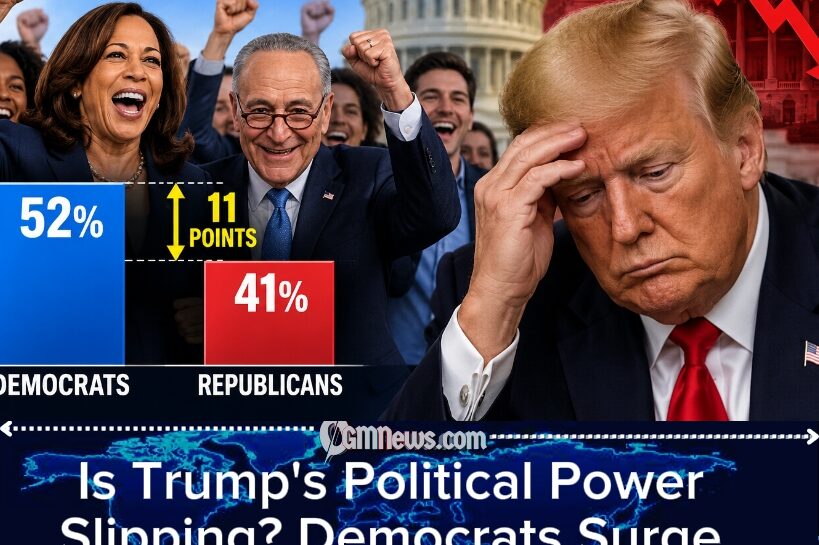
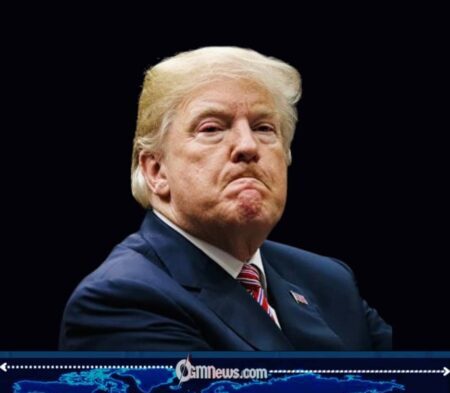
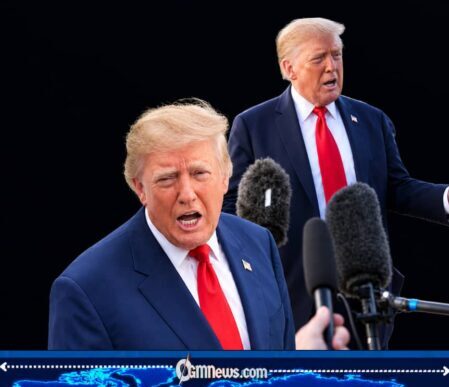
For now, the White House appears trapped in a balancing act where every move risks creating new political fires. Whether President Donald Trump chooses negotiation, confrontation, or cautious delay, the outcome could shape not only energy markets but also public opinion ahead of future political battles. OGM News understands that officials and analysts alike are closely monitoring the situation, knowing that the next chapter in the Hormuz crisis may determine far more than the price of oil.


Logging in is a breeze and the site stability is amazing even during peak hours....